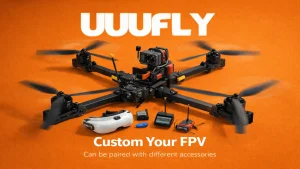
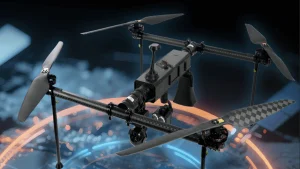
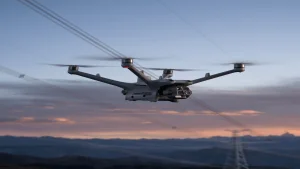
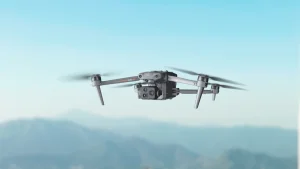
Explore our core engineering catalog featuring advanced aerial hardware, customized smart power cells, and robust flight platforms optimized for intensive operation.
A technical synthesis of aerial hardware, autonomous scheduling, and geopolitical supply chain transformation.
The global commercial and industrial unmanned aerial vehicle (UAV) sector is undergoing a profound structural evolution. Drones are no longer isolated dynamic capture units; they have evolved into critical, cloud-connected spatial infrastructure. High-altitude operations, long-endurance vertical takeoff and landing (eVTOL) platforms, and standardized dock-supported workflows are replacing legacy manual utility surveys, agricultural spraying, and urban emergency services.
By leveraging real-time data pipelines, dual-spectrum edge-computing payloads, and high-security communication architectures (such as AES-256 encrypted downlinks), modern enterprises can execute repeatable missions with minimal human intervention. Our systems close the automation loop across multiple industries—offering seamless workflows from detection to cloud orchestration.
Core Components Shipped
Enterprise Customers
Global Cities Deployed
Defect Detection Accuracy
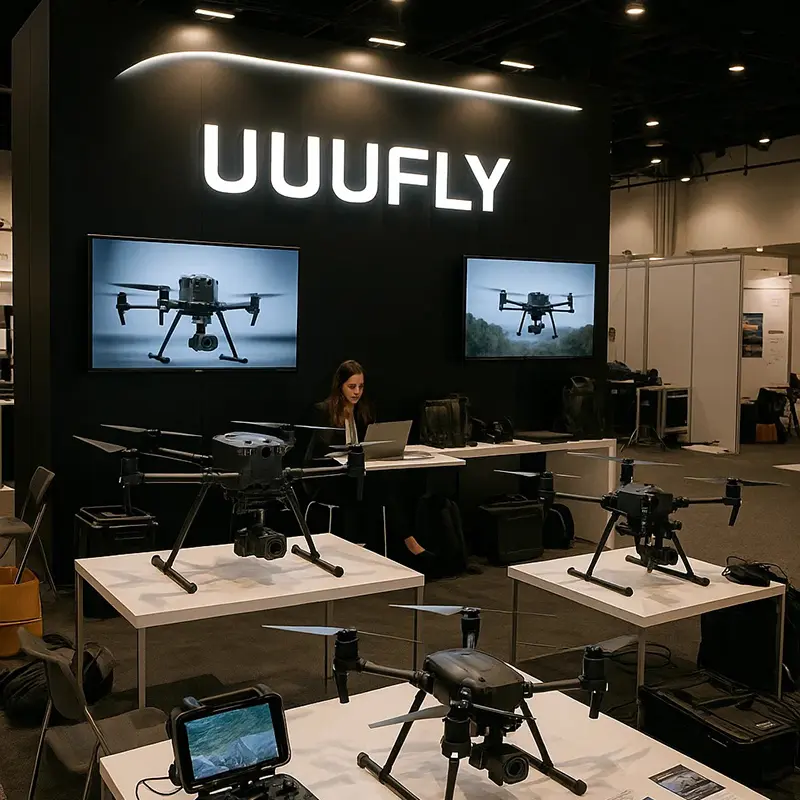
As the primary engine of global drone manufacturing, China’s industrial cluster offers unmatched vertical integration. From high-energy-density smart battery cells (like WB37 and TB100 series) to lightweight, aerospace-grade carbon fiber composites, every stage of production is optimized for performance and reliability.
At UUUFLY, our manufacturing partner networks leverage Industry 4.0 automated assembly and rigid Quality Assurance testing. This resilient supply chain enables us to customize structure design, perform advanced electromagnetic compatibility (EMC/EMI) screenings, and sustain high-volume global deliveries without compromising on compliance (CE/FCC/RoHS). For bulk wholesale buyers, this means lower total cost of ownership (TCO) and rapid time-to-market.
Delivering measurable aerial productivity through integrated innovation across hardware, algorithms, and data operations.
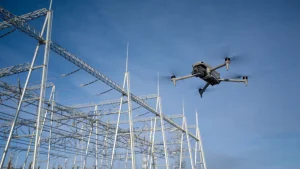
Equipped with millimeter-level RTK positioning and encrypted video downlinks, our solutions support dual-spectrum thermal sensor configurations. AI-driven edge defect detection speeds up grid inspection diagnostics by 40% and maintains 99.7% detection accuracy during complex live-line patrols.
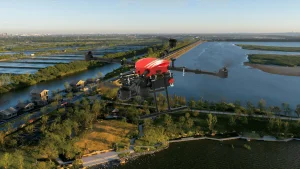
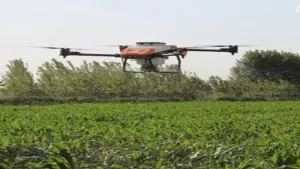
Our agricultural UAS utilize multispectral sensors and variable spraying algorithms. With a corrosion-resistant tank and 50Ah smart flight batteries, operators can cover 200+ mu (~33 acres) per flight. This reduces crop chemical application expenses by 30% and reduces manual labor overhead by up to 20%.
Integrating high-resolution LiDAR with oblique photogrammetry payloads allows our systems to process 0.05m digital twin assets. Standard workflows operate 5 times faster and cut modeling costs by 60% compared to traditional ground teams, feeding secure urban planning databases via 5G networks.
Through our cloud API and message buses, enterprise operators can scale drone-in-a-box networks, schedule automated flight paths, configure data processing queues, and integrate operations with on-premise ERP platforms.
Specialized industrial configurations deployed across challenging operational environments globally.

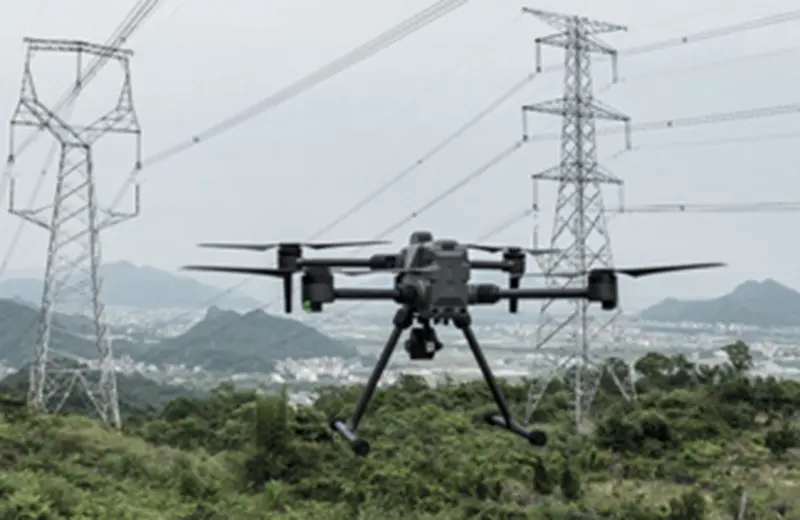

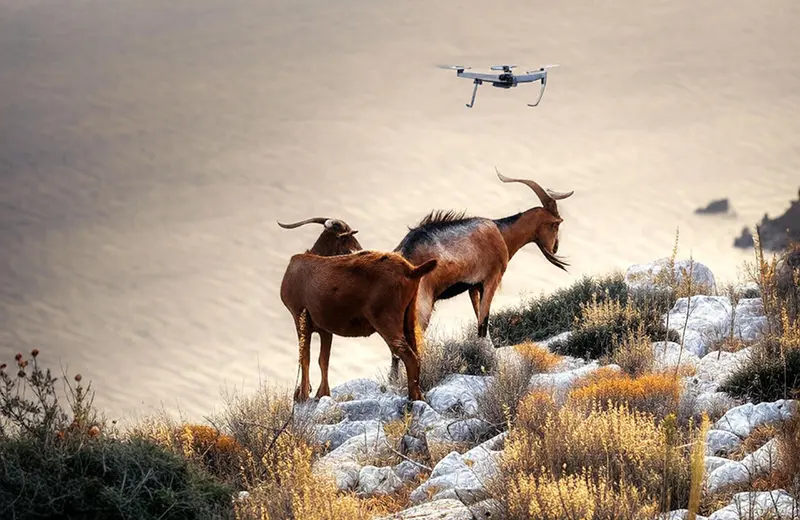
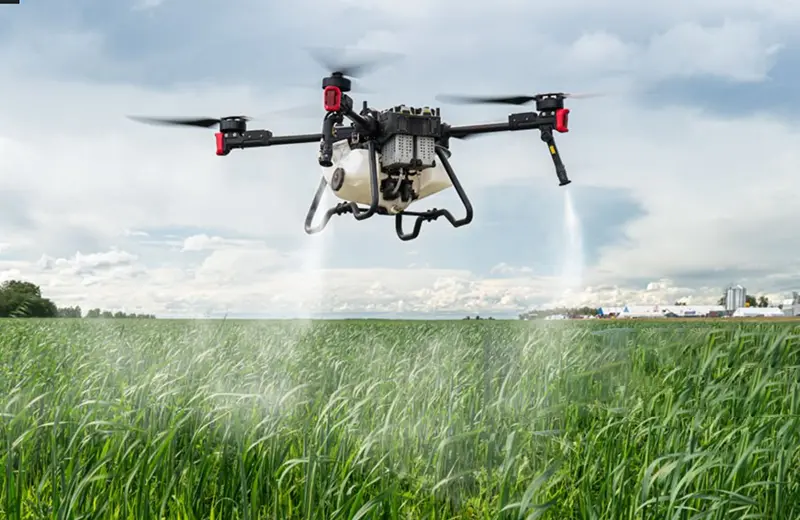
Engineered to industrial standards, stress-tested in the field, and ready for global integration.
Protected telemetry and control lines with enterprise-level encryption and proprietary hopping algorithms. Supports regulated regional local network configurations for data sovereignty.
Our technical helpdesk operates 24/7 in English, Chinese, Japanese, Russian, French, Spanish, and Arabic. We offer remote setup diagnostics, hardware calibration training, and customized warranty packages.
All wholesale and customized platforms pass CE, FCC, and RoHS tests. Integrated modules operate seamlessly within European Union (EASA) and North American (FAA) airspace compliance rules.
Aerospace engineering, computer vision, and global operations experts driving spatial automation.
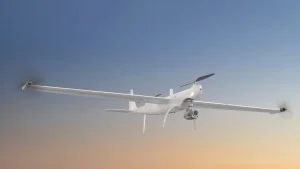
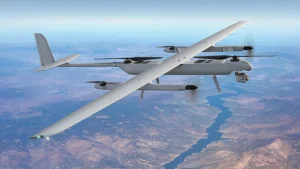
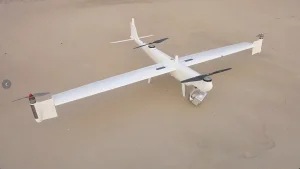
In modern operational logistics, mission downtime is a direct cost. Historically, multicopter systems have faced limitations due to operational range and manual battery swap dependencies. To address this, the industry is transitioning toward hybrid eVTOL platforms, such as the Dragonfish and KEEL Series, which combine the efficiency of fixed-wing horizontal cruise flight with vertical takeoff flexibility.
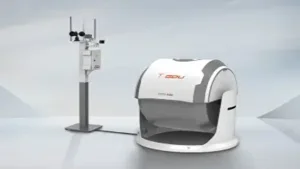
Additionally, automated docking platforms (such as the GUD K01 Dock Kit) enable continuous operations. By housing a weather-resistant base station capable of rapid battery swapping (80% charge achieved within 30 minutes), organizations can establish persistent patrol routes. This creates a scalable aerial inspection system that operates without on-site pilot intervention.
Expert answers regarding custom integrations, payload capabilities, and global trade compliance.
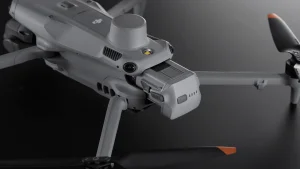
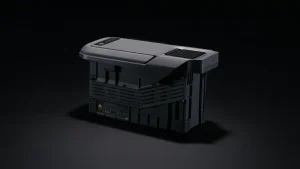
We source and configure specialized high-energy-density cells, including the WB37 and TB100 smart flight batteries. We also design customized battery management systems (BMS) for platforms like the DJI Matrice 4 series. These custom solutions feature self-heating functions for sub-zero operations and extended cycle-life configurations, optimized to meet specific payload demands.
Our communication architecture utilizes dual-band telemetry and AES-256 control link encryption to prevent unauthorized interception. Furthermore, our hardware configurations (such as the GDU S200 and Dragonfish series) fully comply with CE, FCC, and RoHS standards. For sensitive applications, we offer local server deployments to ensure complete data sovereignty.
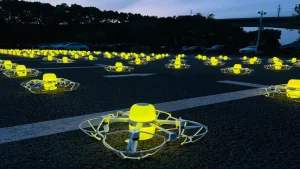
Yes. Our platforms feature standardized physical interfaces and payload SDK access points. This allows for simple integration of oblique cameras, LiDAR modules, hyperspectral sensors, gas detectors, and custom light-show arrays (such as the MMC L1). Dynamic payloads can connect directly to the flight controller via standard API ports.
eVTOL (Vertical Takeoff and Landing) systems, such as the Dragonfish-25, combine the vertical launch capability of a multirotor with the efficient aerodynamic lift of a fixed-wing aircraft. This design enables significantly longer flight times (often exceeding 120 minutes) and wider coverage, making it ideal for linear inspections (like power transmission lines) and large-scale corridor mapping.
Automated docking stations, such as the GUD K01, act as remote operational hubs. When a drone lands inside the dock, the robotic system swaps the depleted flight battery for a fully charged unit in under three minutes. The station also features integrated climate control to manage battery temperature, enabling continuous, remote operational cycles.
China's comprehensive manufacturing ecosystem provides access to quality raw materials, precision machining, and specialized electronic components. This vertical integration reduces manufacturing lead times, ensures consistent component tolerances, and helps manage costs. It also enables rapid prototyping and customization for enterprise clients.
Complete your fleet deployment with robust aerial hardware, heavy payload sprayers, and automated docking stations.
 UUUFLY