Explore our industrial-grade quadcopters, VTOL systems, and high-performance battery setups designed for rugged operations.
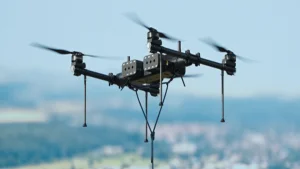
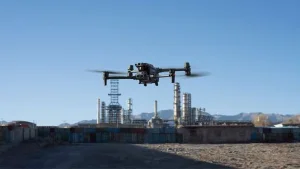
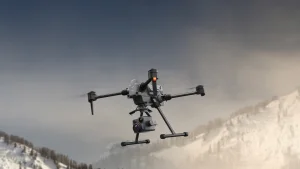
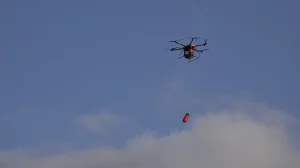
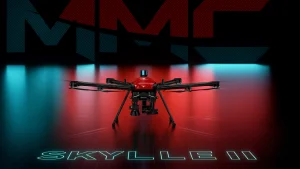
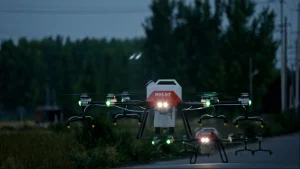
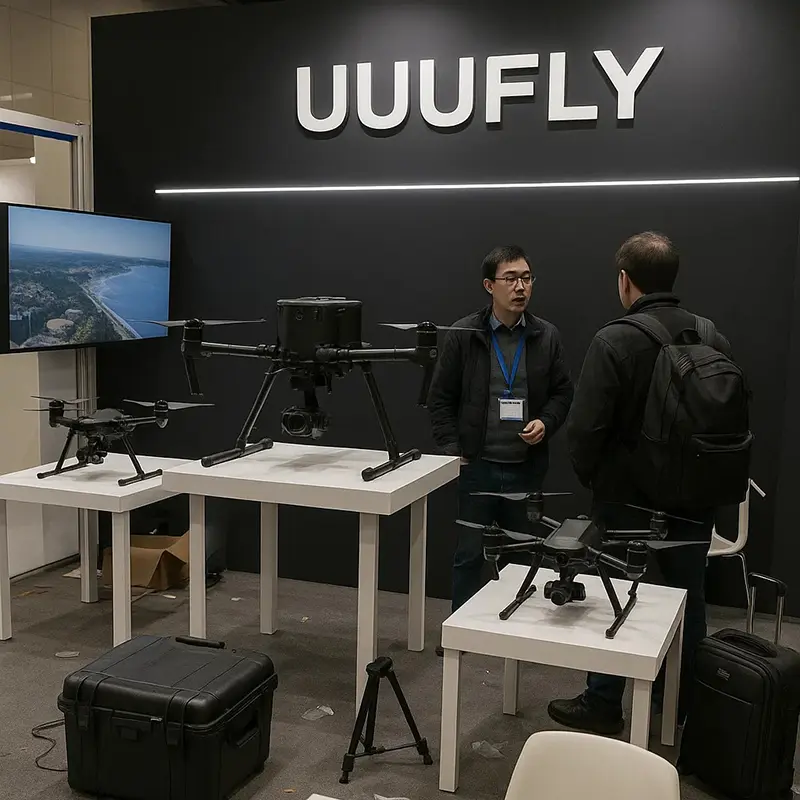
We turn drones and ground robots from tools into infrastructure, enabling the global low-altitude and localized ground-level automated economy with engineering rigor and absolute compliance. By combining Unmanned Aerial Vehicles (UAVs) with Unmanned Ground Vehicles (UGVs) and automated charging docks, UUUFLY bridges the gap between sky and terrain data collection and deployment.
Our mission is to establish repeatable, traceable, and compliant automated networks through integrated innovation across hardware mechanics, edge-computing algorithms, and distributed database operations. We close the loop of Discover → Decide → Execute → Trace for industrial sectors, delivering actionable spatial intelligence.
Empirical data points proving operational excellence and safety at scale across global markets.
Reliable automation built to industrial specifications and stress-tested in actual field environments.
With millimeter-level positioning and encrypted video links, combined with dual-spectrum defect detection and AI target recognition, inspection efficiency improves by about 40%. The fast-charge systems are compatible with mainstream fleets (80% in 30 minutes), and carbon-fiber propellers with IP67 motors cover most models. In multiple grid pilots, defect detection reached 99.7%.
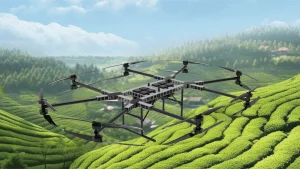
Multispectral payloads and AI analytics enable early diagnosis of pests and diseases with about 98% accuracy. Variable spraying reduces pesticide use by roughly 30%, while a 50Ah battery and corrosion-resistant tank allow a single flight to cover 200+ mu (≈16 acres). At scale, agricultural partners typically see 20–30% lower operating costs.
Combining LiDAR with oblique photogrammetry delivers 0.05-m 3D mapping, making digital-twin modeling about 5× faster and reducing costs by 60%. With GDPR-compliant encrypted transmission and 5G for real-time cloud analytics, our data underpins urban planning programs, boosting planning efficiency by around 300% in typical projects.
Our proprietary ground-control station and cloud dashboard provide autonomous routes, remote fleet scheduling, mission orchestration, and an edge-to-cloud pipeline. Open APIs and message buses integrate seamlessly with existing enterprise resource planning (ERP) systems to build a secure, observable, and fully automated multi-agent operational network.
A strategic technological blueprint detailing our evolution toward cross-domain vehicle coordination and hybrid power architectures.
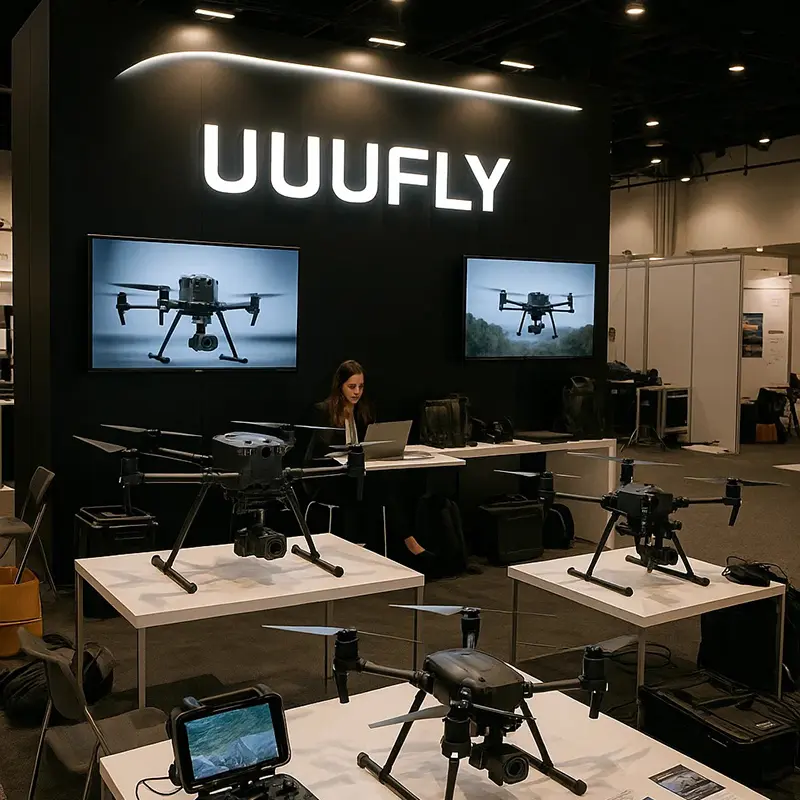
The technological progression of modern industrial robotics requires seamless air-to-ground collaboration. UUUFLY is investing heavily in L4 autonomy for both UAVs (aerial inspection platforms) and UGVs (ground-level monitoring and charging base robots). By fusing Visual-Inertial Odometry (VIO) with RTK-GNSS, our systems achieve path navigation without relying entirely on GPS signals.
Our immediate engineering focus includes:
| Development Phase | Autonomy & Guidance | Payload Capabilities | Power & Propulsion |
|---|---|---|---|
| Phase 1: Connectivity (2025) | Dual-frequency RTK + Visual SLAM, semi-autonomous scheduling | Modular gimbal systems, payload-swap under 2 minutes | High-discharge LiPo, Smart flight batteries (TB100 equivalent) |
| Phase 2: Hybrid Autonomy (2027) | Edge-computing AI vision, obstacle avoidance, automatic recharging docks | Dual-spectrum thermal sensors, high-resolution LiDAR | Hybrid gas-electric & solid-state cell testing |
| Phase 3: Deep Swarm (2030) | Decentralized multi-agent swarm control, collaborative SLAM | Hyperspectral gas analyzers, localized repair actuators | Commercial solid-state cells, long-range hydrogen drivetrains |
How global enterprises integrate UUUFLY hardware to revolutionize asset management and field maintenance.
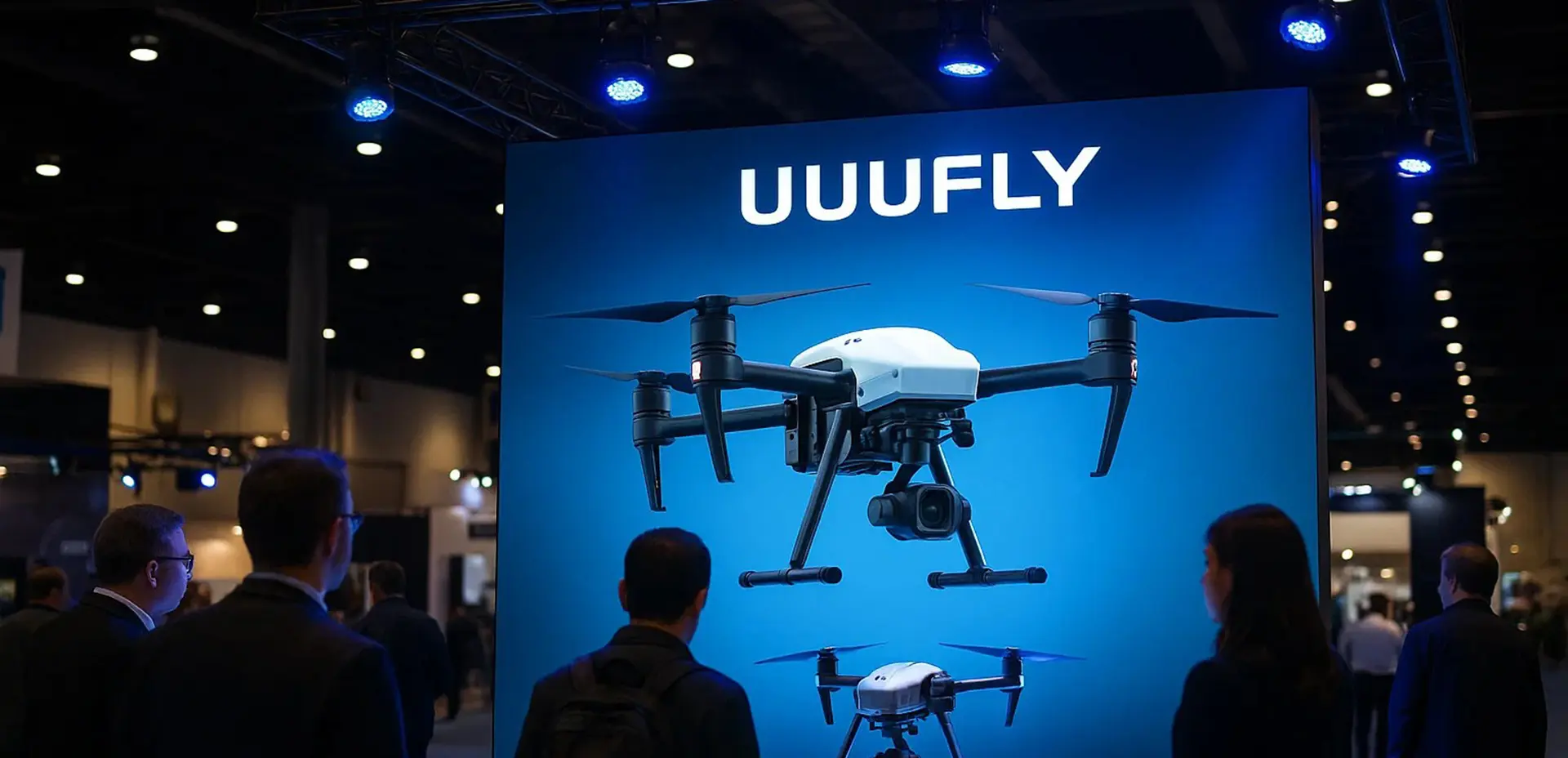
Modern city management relies on continuous monitoring. Rather than deploying humans, our systems establish scheduling patterns where ground robots and drones coordinate. For instance, in municipal monitoring operations, ground units patrol parking structures and low-clearance areas while VTOL drones survey large structural foundations, cutting operational overhead by up to 60%.
The central data hub processes all sensor telemetry through localized edge servers before uploading it to secure clouds, satisfying municipal privacy requirements.
Deploying firefighting, policing, and search and rescue drones equipped with optical zoom and thermal imaging payloads to isolate hazards in real-time.
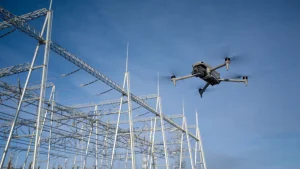
Automating overhead powerline inspections via dual-spectrum sensors, detecting thermal faults before utility failures occur.
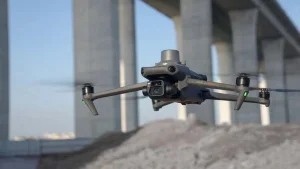
Providing structural engineers with 3D digital-twin models through heavy-lift LiDAR and oblique photography sweeps.
Enabling large-scale farmland monitoring, crop health assessment, and intelligent variable-rate liquid spraying systems.
Our state-of-the-art production facility ensures precision machining, reliable sourcing, and rigorous quality control for wholesale customers.
By utilizing fully automated Surface Mount Technology (SMT) assembly lines and robotic arms, our manufacturing centers maintain an defect rate of less than 0.1% on all main flight controllers and sensor integration boards. This allows us to scale production up to 50k+ components shipped while maintaining a stable unit-cost advantage.
Every batch of raw carbon-fiber composite materials undergoes stress testing to verify mechanical strength and vibration absorption before moving to physical component cutting.
Prior to shipping, all UUUFLY systems undergo extensive environmental testing, including:
Operating with regional regulatory compliance and local maintenance structures.
All datalinks and payload video feeds are secured using AES-256 hardware encryption, defending operations from spoofing and packet sniffing.
We offer modular data-hosting structures (both private cloud deployments and on-premises local setups) that comply fully with local data privacy acts.
Our customer success department offers 24/7 technical support in multiple languages including CN, EN, JP, RU, FR, ES, and AR.
Key indicators and standards used by international buyers to evaluate large-scale robotic fleets.
When investing in automated air-to-ground infrastructure, international procurement teams assess manufacturers across several key areas:
Evaluated based on modular design simplicity, battery life longevity (such as custom DJI Matrice 4 series battery integration), and payload swap systems.
Availability of software development kits (SDK) allowing external developers to bridge fleet control systems into existing proprietary databases.
Whether the hardware carries official certificates required by import authorities (CE, FCC, RoHS, UN38.3 for lithium battery logistics).
Availability of factory-certified pilot and maintenance crew training (simulators, mechanical troubleshooting, mission orchestration).
Combining decades of experience in aerospace engineering, embedded algorithms, computer vision, and global operations.
Former industrial UAV product lead; drives product architecture, standardization, and ecosystem partnerships.
Computer vision & autonomy specialist focusing on sensor fusion, target detection, and mission decision systems.
Drives localization and partner-led delivery across the Middle East, Pakistan, and Russia.
Aerospace & electrical engineer focusing on payload integration, EMC/EMI, and reliability design.
Leads model training and mission orchestration to optimize detection accuracy and decision strategies.
Drives localization and partner-led delivery across LATAM & MENA region.
Direct technical answers from our engineering team regarding hardware integration, customization, and import compliance.
We provide a standardized, open-access API and SDK package. Our control software leverages standard message protocol systems (MQTT, ROS2, and WebSockets) allowing secure telemetry streaming and sensor control integration straight into your ERP or proprietary cloud environment.
Data security is vital. We utilize hardware-level AES-256 encryption on all control links and video data streams. Additionally, clients are offered full data sovereignty, with the option to deploy local servers or host on GDPR-compliant isolated cloud environments.
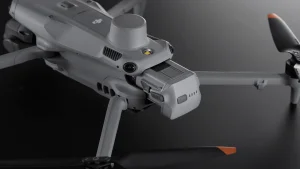
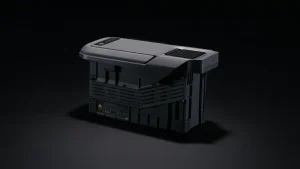
Yes, our industrial factories specialize in carbon-fiber layup molding, custom integration setups, and advanced battery management system (BMS) assemblies. We manufacture custom battery solutions like the custom DJI Matrice 4 series battery and TB100 smart flight batteries for major industrial platforms.
All our industrial motors, outer frames, and camera gimbals carry official ingress protection ratings (IP65 to IP67). The internal battery compartments feature heating modules that activate automatically when core temperatures fall below 5°C, ensuring safe take-off and navigation in temperatures as low as -20°C.
Our systems hold standard global certifications, including CE, FCC, RoHS, and WEEE. Batteries are shipped under UN38.3 transport safety classifications, backed by Material Safety Data Sheets (MSDS) to ensure compliance with international cargo forwarding protocols.
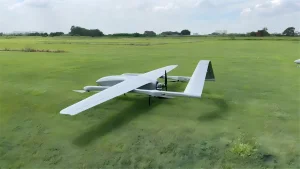
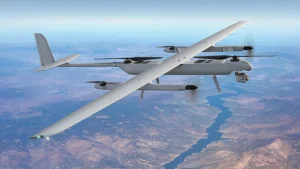
Explore heavy-lift agriculture sprayers, long-range VTOL solutions, and compatible smart batteries.
 UUUFLY