Select industrial-grade hardware directly sourced from certified manufacturing pipelines.
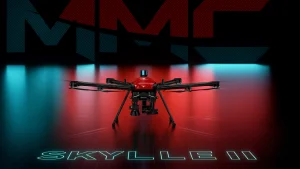

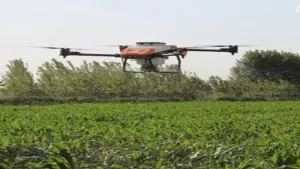
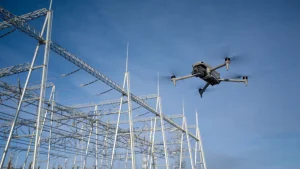
An analysis of autonomous heavy-payload aerial platforms under global regulatory changes and energy transitions.
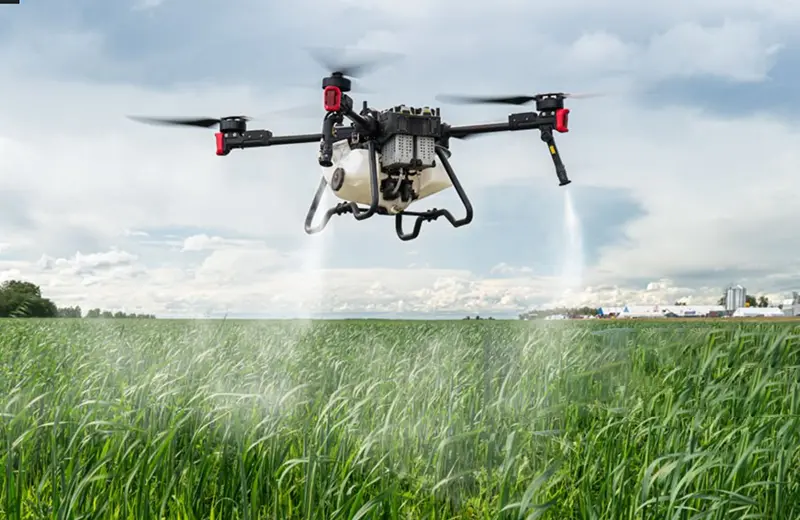
Modern commercial drone fleets demand significantly expanded payload limits. The T50 class represents a critical operational baseline: the ability to deploy up to 50kg liquid or 40kg solid payloads without sacrificing flight stability. This enables larger operational swaths, making agricultural dispersal and heavy industrial deliveries feasible under single-operator configurations.
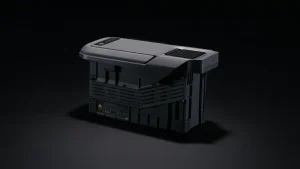
Battery tech dictates operational ROI. With high-rate smart flight systems, today's T50 class platforms utilize advanced chemistry configurations, enabling rapid thermal cooling, active battery state monitoring, and fast charges (like 20% to 80% in 9 minutes). Hydrogen fuel-cell integrations are further poised to disrupt long-range flight profiles.
By integrating dual-antenna RTK (Real-Time Kinematic) systems, the T50 class avoids magnetic interference from nearby metallic infrastructure, enabling accurate navigation down to the centimeter level. This precise vector alignment underpins automated mapping, variable-rate orchard spraying, and safe close-range powerline patrols.
As aviation authorities worldwide (FAA under Part 137, EASA, and CAAC) codify rules for UAV operations over 55 lbs, manufacturing platforms are shifting focus toward standard compliance. Enterprise buyers are looking for T50 platforms built under structural design parameters that include dual-core IMU redundancy, automated fail-safe returns, and encrypted communication channels.
Key decision vectors for corporate buyers and governmental acquisition programs sourcing heavy-duty UAV platforms.
Standard compliance validation needed to cross regional import boundaries and secure operational insurance approvals.
End-to-end telemetry encryption safeguarding national critical data during infrastructure inspections.
Global enterprise customers deployed across regional utility grids and large-scale agricultural programs.
When procurement divisions source T50 drones or custom configurations directly from manufacturers, the decision goes beyond purchase prices. Enterprises need clear visibility into structural engineering reliability, Mean Time Between Failures (MTBF), spare parts availability, and localized pilot training frameworks.
Furthermore, integration capability with existing enterprise management databases (such as SCADA for utilities and GIS software for mapping) determines operational efficiency. Factories that provide open APIs, developer SDKs, and modular payload configurations (e.g., swapping agricultural spraying nozzles for LiDAR arrays within minutes) occupy a distinct advantage in commercial sourcing pipelines.
The modern drone manufacturing ecosystem leverages the deep integration of components found in China's advanced technology centers. Sourcing T50 drones directly from factories utilizing Factory 4.0 principles ensures unmatched scalability and strict quality standards.
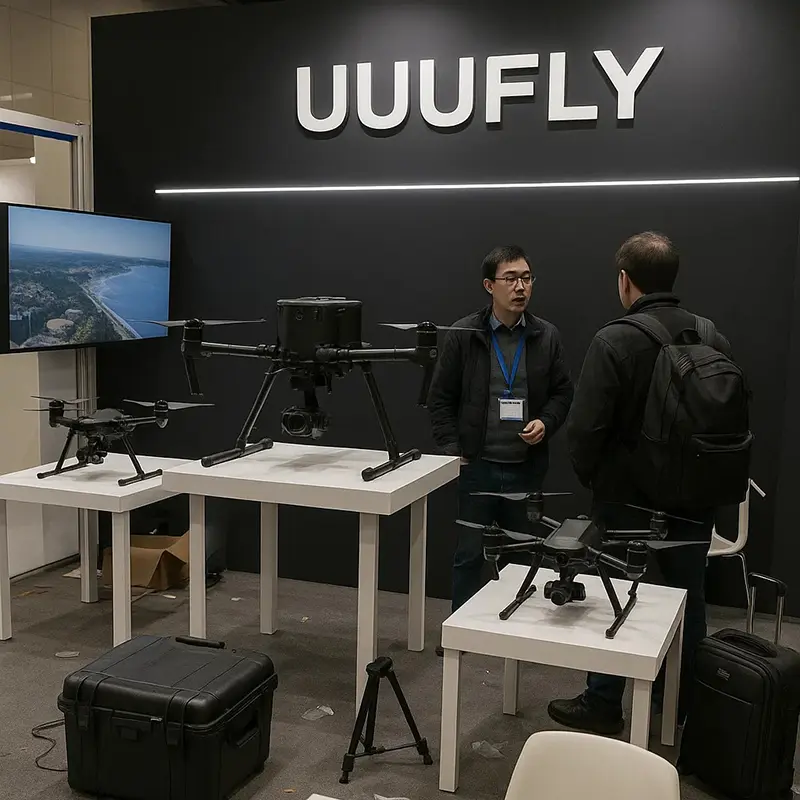
We turn drones from tools into infrastructure, enabling the global low‑altitude economy with engineering rigor and compliance.
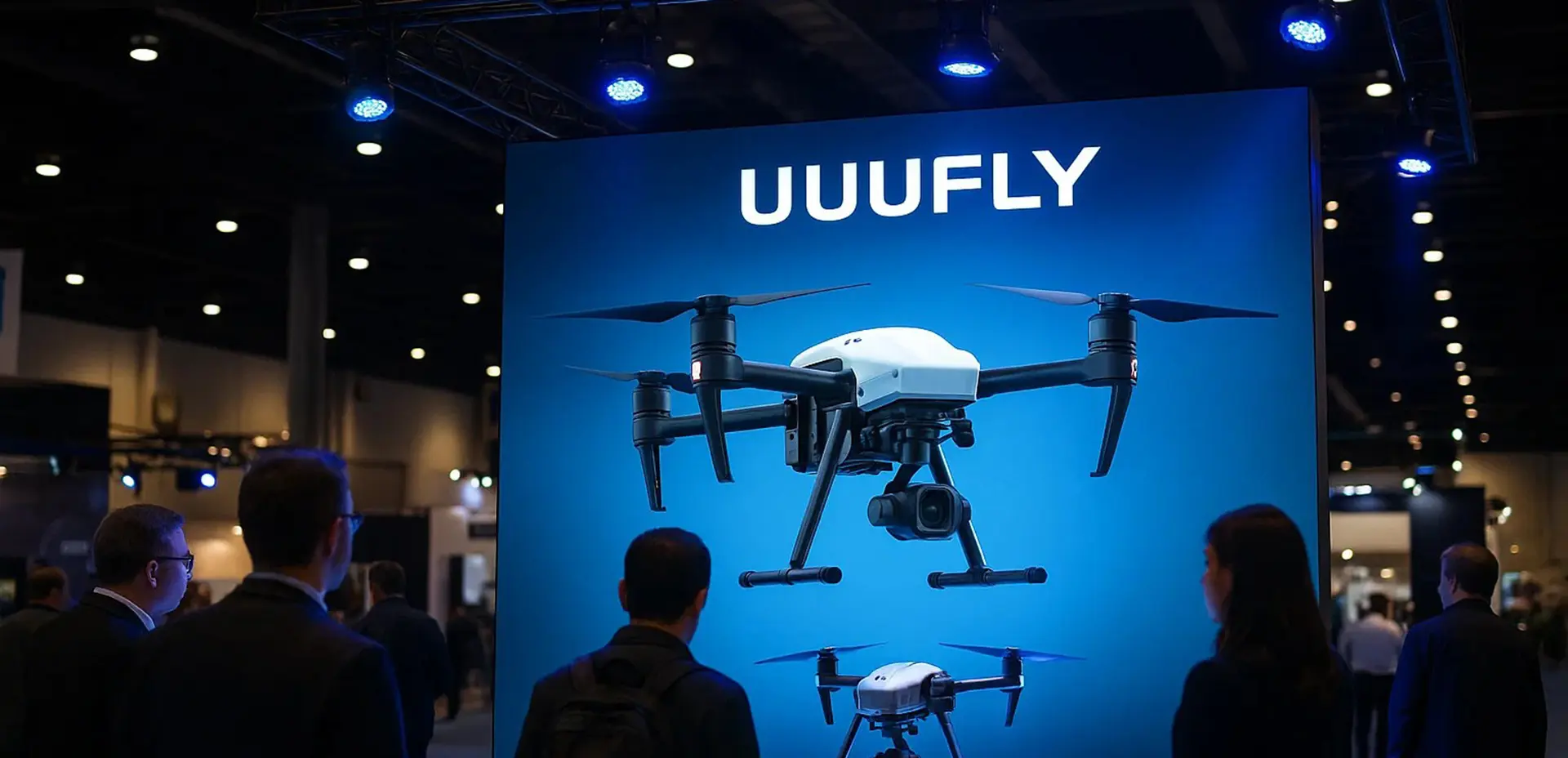
UUUFLY builds repeatable, traceable and compliant UAV systems through integrated innovation across hardware, algorithms and data operations. We close the loop of Discover → Decide → Execute → Trace for power, agriculture and smart‑city customers, delivering measurable aerial productivity at scale.
Our key platforms offer dual‑spectrum defect detection (power inspection), multispectral sensing & variable spraying (precision agriculture), 0.05‑m 3D mapping (smart city), autonomous routes & fleet scheduling (scaled operations), and an end‑to‑end edge‑to‑cloud data pipeline (governance & compliance).
With more than 500k+ core components shipped and 300+ enterprise customers across 30+ cities, we offer hardware certified under CE / FCC / RoHS standards, link security reinforced by AES-256 encryption, and on-premises cloud infrastructure options to protect regional data sovereignty.
Millimeter‑level positioning, encrypted links, dual‑spectrum defect detection, and AI target recognition improve discovery efficiency by 40%. Fast-charge system reaches 80% in 30 mins. Defect detection accuracy reached 99.7% in grid pilots.
Multispectral payloads diagnosis accuracy reaches 98%. Variable spraying reduces pesticide use by 30%. Equipped with corrosion-resistant tanks, covering 200+ mu (~16 acres) per flight. Operating costs drop by 20-30%.
Combining LiDAR with photogrammetry achieves 0.05-m 3D mapping, running 5x faster at a 60% reduction in cost. Built with GDPR-compliant transmission and 5G integration, boosting planning efficiency by 300%.
Automated route execution, fleet scheduling, mission orchestration, and edge-to-cloud data pipelines. Open APIs and message buses plug seamlessly into current dispatching systems to deliver capacity fast.
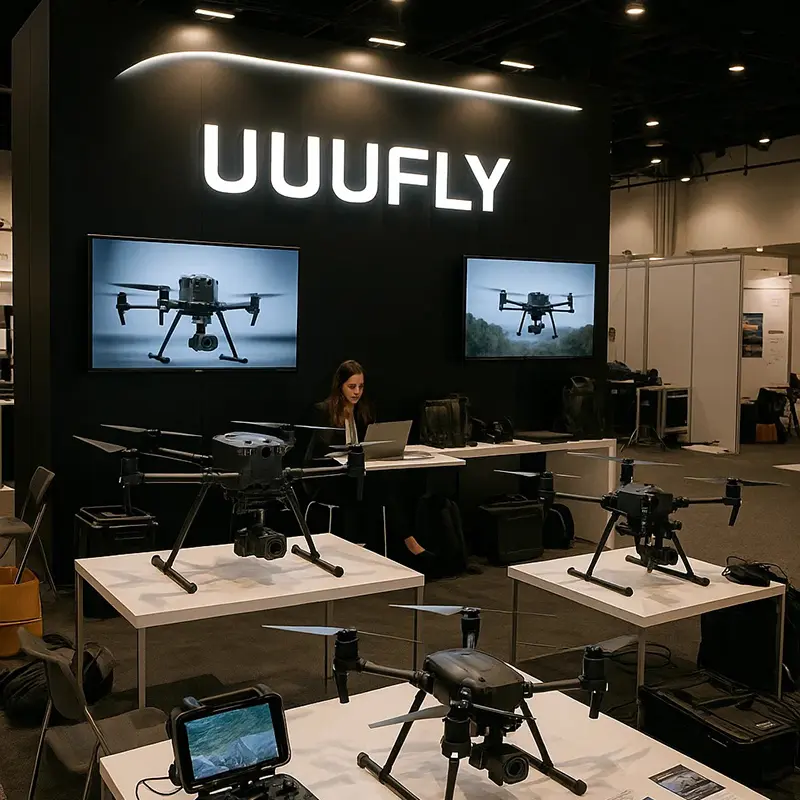
UUUFLY platforms are engineered to perform in complex magnetic fields, rain, snow, and dynamic wind corridors. We support structures, EMC/EMI shielding, and data links designed explicitly to meet national infrastructure safety regulations.
We combine aerospace engineering, embedded systems, computer vision, and large-scale flight operations to maintain the standards required for public safety and enterprise systems.
Former industrial UAV product lead; drives product architecture, standardization and ecosystem partnerships.
Computer vision & autonomy specialist focusing on sensor fusion, target detection and mission decision systems.
Drives localization and partner-led delivery across the Middle East, Pakistan, and Russia.
Aerospace & electrical engineer focusing on payload integration, EMC/EMI and reliability design.
Leads model training and mission orchestration to optimize detection accuracy and decision strategies.
Drives localization and partner‑led delivery across LATAM & MENA.
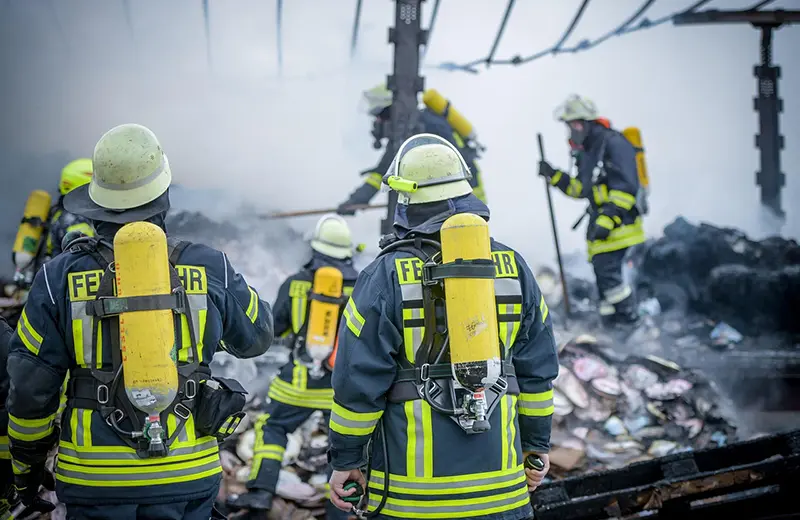
Applying heavy-lift, multi-mission UAV systems directly into specialized vertical segments globally.

Answers to primary technical, logistical, and compliance questions concerning T50-class UAV procurement.
Sourcing high-capacity batteries, industrial quadcopters, and high-precision survey payloads.
 UUUFLY