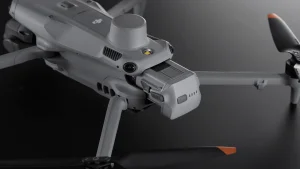
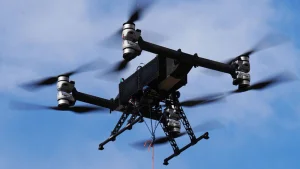
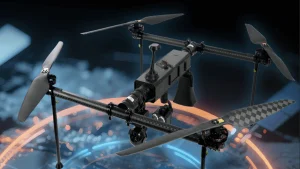
Explore high-capacity enterprise multirotors, specialized agricultural payloads, modular industrial units, and essential fleet components designed for operational resilience.
We turn drones from tools into infrastructure, enabling the global low‑altitude economy with engineering rigor and compliance.
At UUUFLY, we recognize that the expansion of commercial unmanned aerial vehicles (UAVs)—particularly heavy-payload platforms like the XAG P100 agricultural system—demands more than just off-the-shelf hardware. It requires an integrated supply ecosystem characterized by strict manufacturing processes, localized system configurations, and open API compatibility. Our infrastructure serves B2B enterprise procurement officers, supply partners, and system integrators seeking high reliability and regulatory clearance.
Whether sourcing genuine XAG P100 systems, custom crop protection sprayers, high-discharge battery packs, or localized payload modules, UUUFLY provides the engineering, compliance verification, and supply chain control necessary to execute missions at scale.

Understanding how the integration of advanced materials, specialized industrial parks, and rapid electronic design cycles optimizes B2B UAV procurement costs.
Over 85% of global commercial drone components originate from the Guangdong industrial cluster. This localized proximity reduces the turnaround time for custom modifications (e.g. customized brackets, upgraded nozzles, RF system replacement) from months to days.
Chinese factories utilize high-modulus, aerospace-grade carbon fiber composites. For systems similar to the XAG P100 or the custom AL4-20, this provides high structural rigidity with low empty weight, extending overall flight times by up to 18% under maximum payload conditions.
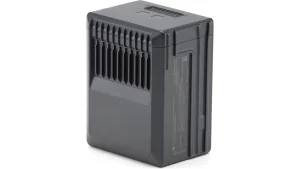
With direct access to primary lithium-ion cell manufacturers, our factory partner networks produce high-discharge rate smart batteries (like the DJI TB65 or custom 50Ah battery modules) featuring high energy density, integrated cell balancing, and IP65 enclosure protection.
UUUFLY builds repeatable, traceable, and compliant UAV systems through integrated innovation across hardware, algorithms, and data operations.
We close the operational loop of Discover → Decide → Execute → Trace for power generation, precision agriculture, and smart-city municipal systems, enabling measurable aerial productivity. Our development roadmap prioritizes five core areas:
How UUUFLY integrates specialized payloads, RTK corrections, and high-strength mechanics to resolve enterprise bottlenecks.
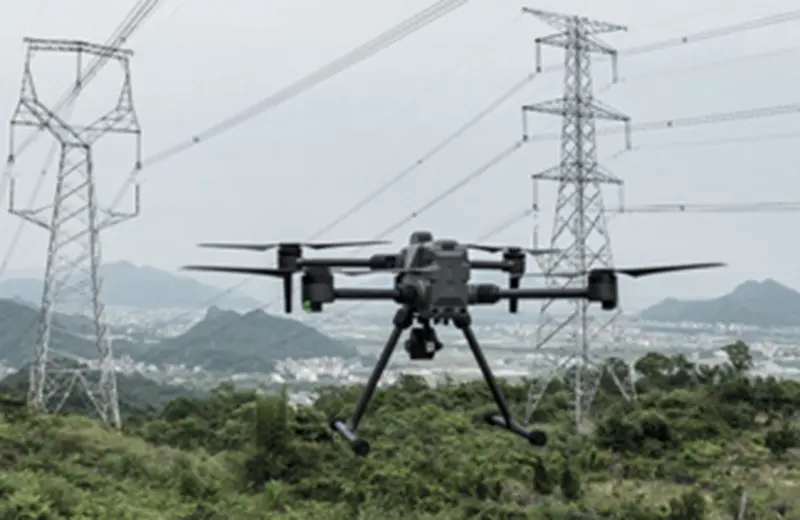
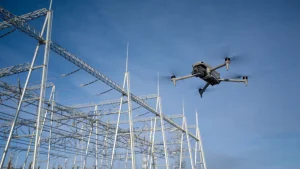
By employing millimeter-level RTK positioning and dual-spectrum camera payloads, we enable automated inspection of high-voltage transmission lines. Target recognition models detect corrosion, thermal hot spots, and insulator cracking. The fast-charge power module supports mainstream commercial fleet systems, charging up to 80% capacity within 30 minutes, maintaining continuity in complex wind profiles.
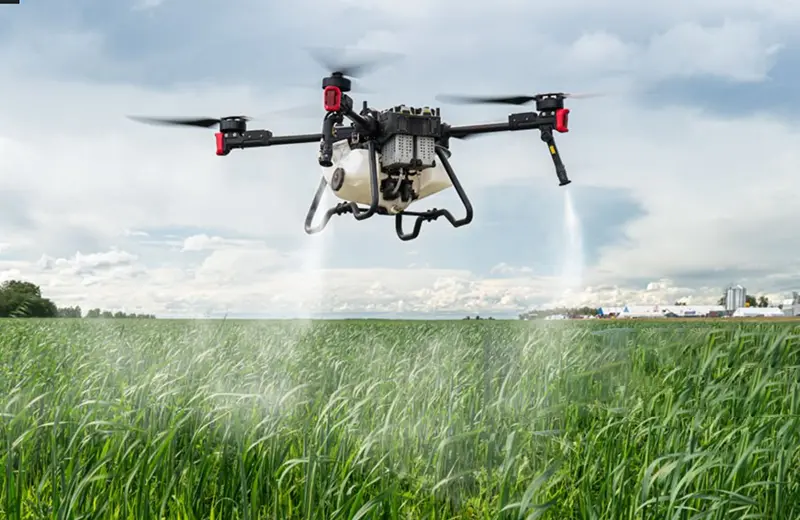
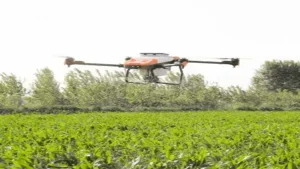
For large-scale agricultural installations requiring platforms similar to the XAG P100, we supply high-performance multirotor airframes, variable peristaltic pumps, and carbon-fiber atomizing nozzles. Integrated multispectral payload analytics map fields for localized target spraying, enabling chemical reduction while optimizing battery efficiency to cover over 200 mu (~16 acres) per flight.
Integrating compact solid-state LiDAR sensors with multi-angle photogrammetry cameras allows cities to generate digital twins with 0.05m accuracy. By converting heavy spatial raw data directly at the edge, transmission bandwidth is optimized for 5G telemetry networks, shortening municipal 3D modeling timeframes by 60% relative to manned ground surveys.
Modern fleets require automated command systems. Our open-architecture operations software coordinates complex flight paths, multi-uav swarming routines, and dynamic payloads. Standard APIs plug directly into enterprise databases, ensuring that field results are tracked and logged in compliance with corporate safety standards.
The XAG P100 agricultural drone represents a milestone in dual-purpose spraying and spreading designs, highlighting a trend toward modular, detachable payloads. B2B operators evaluating these systems typically focus on three core components: the structural quadrotor system, the peristaltic pumping mechanisms, and the high-precision RTK positioning module.
At UUUFLY, we support procurement for XAG P100 hardware and provide high-efficiency customized alternatives like the AL4-20 Carbon Fiber Agriculture Sprayer Drone. By relying on carbon fiber frames, integrated ESCs, and corrosion-resistant seals, these systems match the rigorous requirements of enterprise field teams while offering modular component replacements that lower maintenance downtime.
Our direct access to component supply chains ensures that when sourcing replacement carbon-fiber propellers, heavy-lift brushless motors, or agricultural flight controllers, you receive certified parts that meet industrial testing standards.
Strategic directions defining the next five years of low-altitude enterprise flight and autonomous utility operations.
Rather than relying on one operator per aircraft, modern deployment focuses on automated swarm missions. Telemetry channels route mission schedules across several platforms, enabling a single team to coordinate multiple heavy sprayers simultaneously.
Commercial operations are moving toward solid-state battery technology. These modules provide up to 35% higher energy density than traditional LiPo packs, yielding extended flight endurances and improved stability in sub-zero operational zones.
With tightening airspace rules worldwide (such as FAA Part 107 in the US and EASA regulations in Europe), modern platforms integrate Remote ID modules, localized geofencing, and secure AES-256 telemetry links to ensure compliance with civil aviation authorities.
How specialized UAV solutions adapt to varied terrain, humidity profiles, and regional industrial standards.
In high-temperature environments exceeding 48°C, thermal management is critical. Deployments of custom sprayer systems utilize specialized cooling fins, UV-stabilized composite brackets, and dust-resistant IP67 motor hulls to withstand persistent sand exposure.
For tall crop canopies such as banana and oil palm estates, drone systems must generate deep canopy penetration. High-thrust propeller setups coupled with pressure-guided downward airflows ensure chemical mist reaches the lower stalks, improving crop defense efficiency.
Steep vineyard terrains present navigation challenges. UAV systems leverage high-resolution LiDAR and terrain-follow algorithms to trace dynamic slopes while maintaining constant distance above the vine line, preventing canopy collisions.
Commercial enterprises must view UAV fleets as part of an integrated data network. When an agricultural sprayer drone executes a variable-rate application, it operates based on NDVI prescription maps generated by multispectral sensors. Post-flight logs upload to centralized platforms via secure APIs, providing traceability that assists in complying with local environmental guidelines. The reduction in chemical usage and reduced tractor fuel consumption also support compliance with regional carbon reduction initiatives.
A B2B supply partner combining certified hardware, secure data transmission, and localized field support.
For procurement managers responsible for large UAV deployments, evaluating suppliers requires reviewing key verification criteria beyond the list price:
1. Certified Component Sourcing: All high-load items, ESCs, motors, and carbon-fiber elements should undergo certified QA checks. Retaining original serial codes ensures components are traceable.
2. Encryption & Data Security: Mission telemetry must be protected. Utilizing AES-256 standard encryption on communication modules prevents eavesdropping and control interception, meeting local state requirements.
3. Maintenance & Repair Access: Drones are subject to demanding field cycles. Procuring through suppliers that maintain standard spare inventories (such as replacement motors, propeller blades, and battery packs) minimizes operational disruptions.

Clear, direct answers regarding sourcing, technical integration, and system customization.
The XAG P100 features a modular split design that separates the flying platform from the chemical spray tank or granule spreader, allowing fast payload switching. Custom sprayers like the AL4-20 prioritize high-strength carbon-fiber builds with standard industry components. This allows operators to integrate third-party flight controllers, custom spray manifolds, and specialized battery packages, reducing long-term dependence on single-brand parts ecosystems.
Yes. Our team develops structural fittings, composite carbon-fiber components, payload integration interfaces, and high-density battery kits compatible with mainstream agricultural and industrial drone platforms. We work with B2B customers to design custom payloads, drop mechanisms, and sensing packages according to specific mission requirements.
Our operational systems utilize AES-256 encryption on all telemetry and video transmission channels. In addition, we support localized data hosting solutions, enabling government agencies or utility operators to keep mission logs, spatial imagery, and client data on private internal servers, satisfying local sovereignty regulations.
Each custom chassis undergoes finite element analysis (FEA) during structural design, followed by physical vibration testing, high and low temperature chamber tests, and electromagnetic compatibility (EMC) evaluations. These steps ensure that the airframe and integrated electronics function without signaling loss, even in proximity to high-voltage transmission lines or under gusty thermal updrafts.
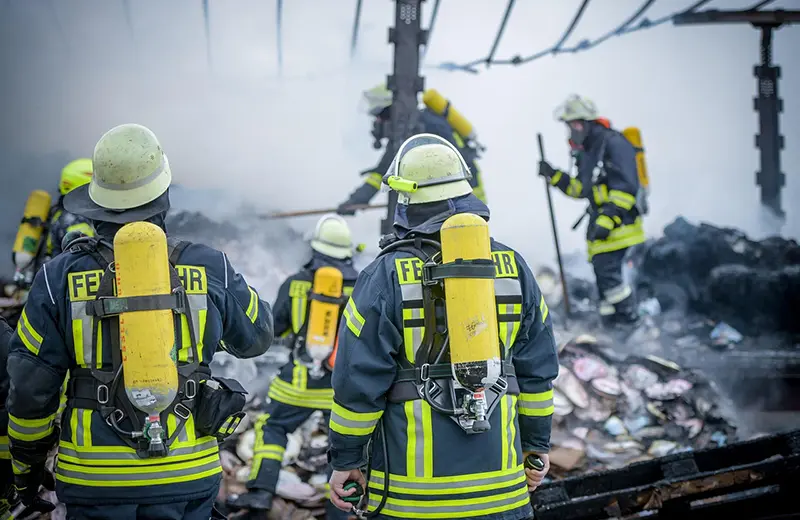
Explore heavy-lift firefighting platforms, precision sensors, high-capacity power assemblies, and structural drone kits designed for long-range B2B utility applications.
 UUUFLY