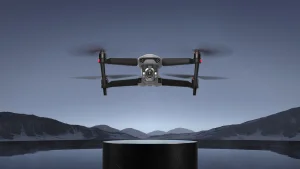
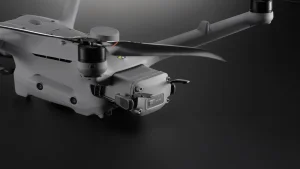
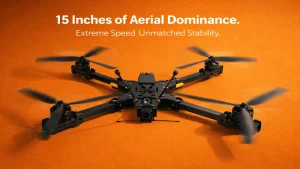
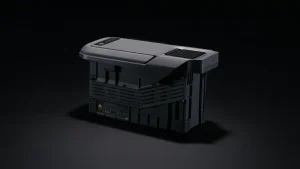
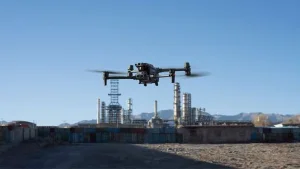
Direct supply paths to state-of-the-art flight systems, heavy-lift VTOL structures, and high-discharge energy reservoirs engineered for extreme operations.
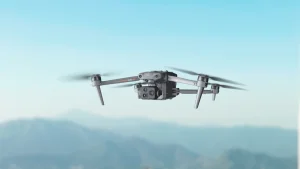
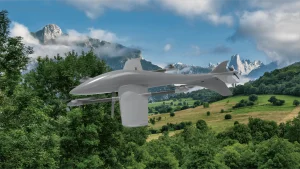
The global low-altitude economy has transitioned from a theoretical developmental model to critical industrial infrastructure. In public safety, search and rescue (SAR) missions, geographic mapping, and grid infrastructure maintenance, unmanned aerial vehicles (UAVs) provide a quantum leap in spatial data collection efficiency. Organizations looking for the Best Drone Search Manufacturers & Factories must recognize the demands of industrial integration: it is no longer just about flight range, but about data pipeline security, sensor integration accuracy, and fleet deployment speed.
Enterprise procurement professionals must now evaluate potential supply chain partners across multiple dimensions, including raw material sourcing, aerodynamic engineering, compliance with regional safety bodies (CE, FCC, RoHS), and encryption integrity. Working directly with specialized manufacturers allows for the design of bespoke solutions, mitigating bottlenecks typically found when buying off-the-shelf equipment.
"By turning drones from simple remote-controlled tools into autonomous edge-computing infrastructure, global industries are realizing up to 60% operational savings in high-risk environmental assessments."

Why China remains the global supply cluster for advanced drone technology, component sourcing, and rapid iteration.
The concentration of aerospace labs, component designers, and raw material suppliers in Chinese manufacturing hubs allows for rapid testing-to-deployment cycles. Design changes that take months elsewhere are executed in weeks.
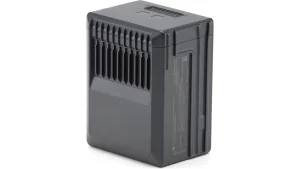
Access to advanced battery manufacturing, including high-capacity smart batteries like the TB65, TB100, and WB37, enables Chinese factories to optimize power management systems for sustained operations under adverse conditions.
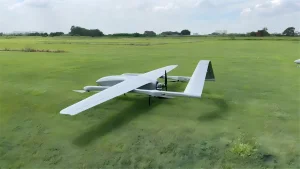
By leveraging carbon-fiber processing plants, manufacturers create drone platforms like the AL4-20 that offer exceptional strength-to-weight ratios, high payload capabilities, and IP67-rated ingress protection.
Supply Chain Integration Note: Over 500,000 core UAV components have been shipped globally by Chinese hubs, reinforcing their role in the global drone ecosystem.
Delivering measurable performance improvements for power grid, agricultural, and smart-city applications.
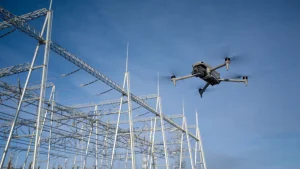
Equipped with dual-spectrum sensors, millimeter-level positioning, and encrypted video links, defect detection efficiency is improved by up to 40%. Our systems feature autonomous routing and emergency response algorithms optimized for complex electromagnetic fields.
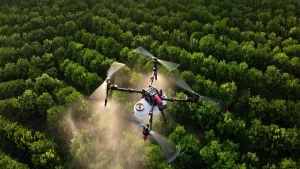
Multispectral payloads and AI analytics enable crop disease diagnosis with up to 98% accuracy. Variable spraying systems reduce inputs by about 30%, while large capacity models like the XAG P150 Pro can cover over 200 mu (~16 acres) per flight.
Integrating LiDAR with oblique photogrammetry speeds up urban modeling times five-fold. In compliance with GDPR and regional privacy laws, real-time cloud data pipelines transmit high-resolution aerial datasets over secured 5G connections.
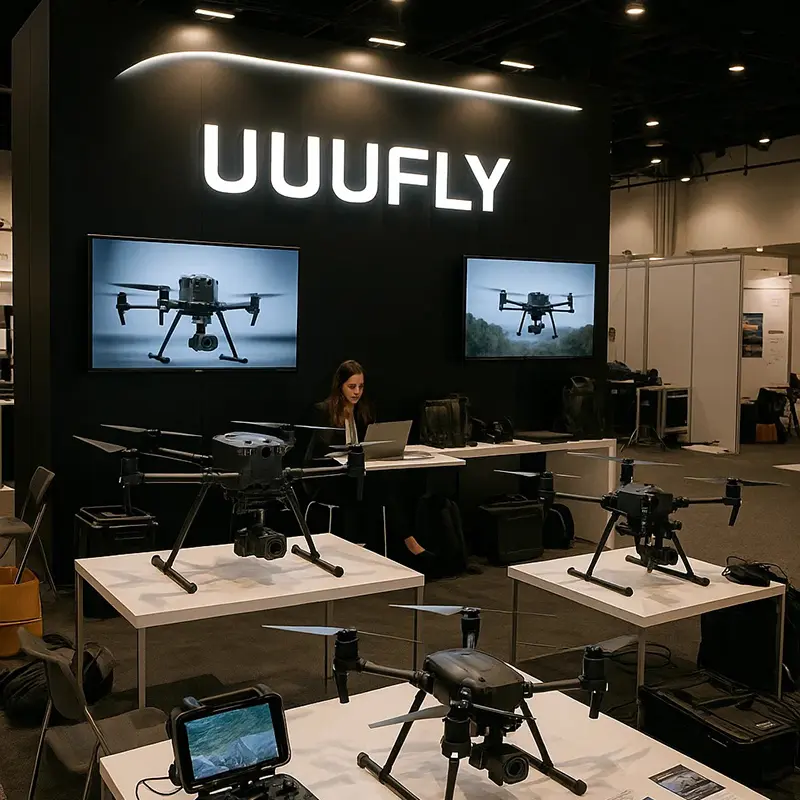
Industrial UAV deployments require compliance with strict regulatory frameworks. Drone systems must be reliable in harsh conditions, with robust structural safety, electromagnetic compatibility (EMC/EMI protection), and dependable data links.
AES-256 Link Encryption: To protect sensitive infrastructure data, our communications links are secured with AES-256 standard encryption. This prevents interception or spoofing during sensitive patrol flights over utility grids or search zones.
Data Sovereignty and On-Premises Deployment: In highly regulated regions, off-site cloud storage can be a compliance obstacle. We offer both secure hybrid cloud configurations and on-premises server deployments, allowing operators to keep flight and sensor data entirely within their own infrastructure.
Combining expertise in aerospace engineering, computer vision, autonomous navigation, and international operations.
Former industrial UAV product lead. Drives core hardware architecture, standardization projects, and global strategic ecosystem partnerships.
Computer vision and autonomy specialist focusing on multi-sensor fusion, edge-AI target detection, and mission decision-making systems.
Manages field deployments, localization projects, and partner training initiatives across the Middle East, Central Asia, and Africa.
Aerospace and electrical engineer focused on payload integration, EMC/EMI shielding designs, and mechanical structural reliability testing.
Leads model training, visual recognition networks, and mission orchestration algorithms to optimize automated defect identification.
Manages partner relations, localization strategies, and regional market programs across LATAM and MENA countries.
Custom setups optimized for specific field operations, environmental challenges, and payload integration requirements.
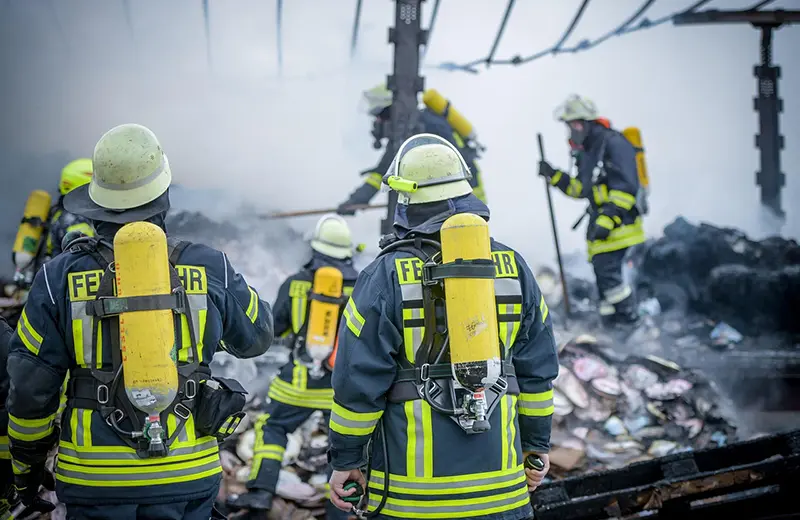
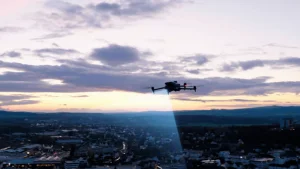
Designed for search and rescue operations, police tracking, and firefighting coordination in low-visibility environments.
Optimized for power line inspection, substation health monitoring, oil gas pipeline patrols, and solar field thermographic surveys.

High-resolution mapping, orthomosaic compilation, structural engineering safety inspection, and 3D terrain modeling.
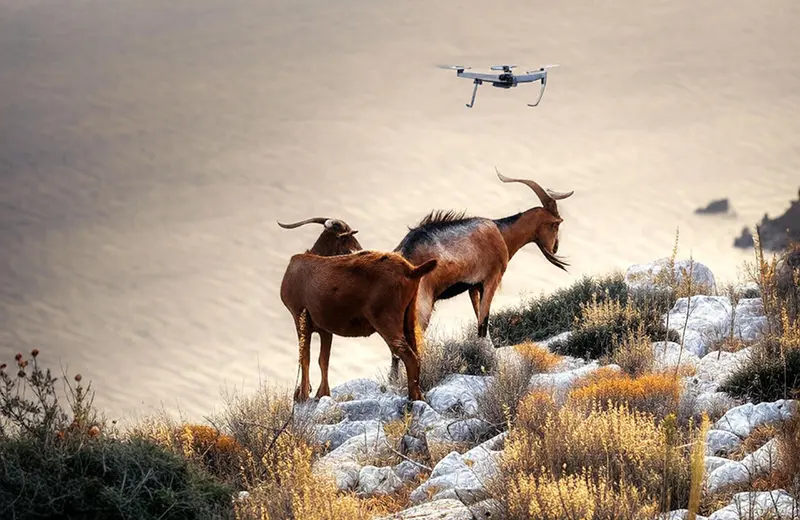
Equipped with low-noise propulsion systems and high-sensitivity thermal sensors for anti-poaching operations and wildlife monitoring.
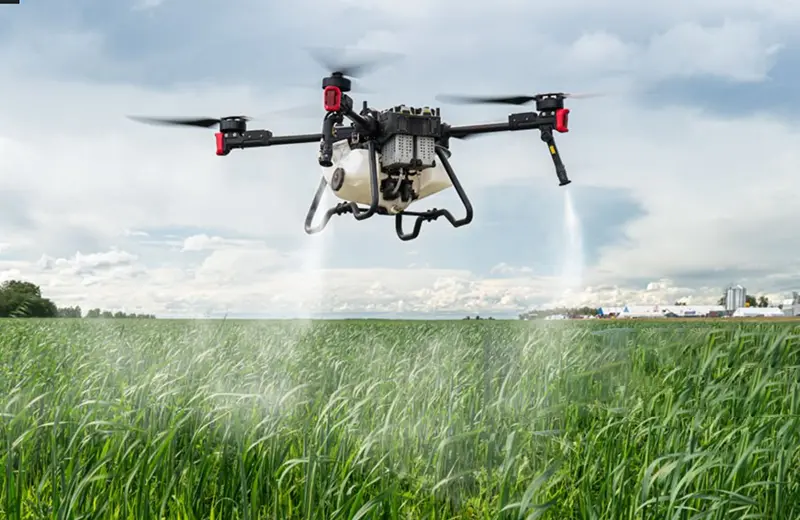
Automated crop spraying, agricultural health analysis using multispectral sensors, and yield mapping for precision farming.
Enterprise procurement teams must look beyond flight characteristics to understand the total cost of ownership (TCO) of drone fleets. Key elements include battery cycle lifespan (such as the DJI TB65 or custom smart batteries), payload versatility, and compatibility with automated battery swap stations.
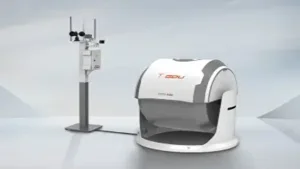
Integrating automated charging docks (like the GUD K01 Dock Kit) is a growing trend. These systems minimize the need for manual field operators, enabling round-the-clock operations from central control stations. This approach changes drones from simple inspection tools into critical local infrastructure.
We are also seeing increased adoption of green energy solutions, such as hydrogen fuel-cell hybrid systems. These technology platforms are designed to extend mission windows, allowing drones to fly for up to three hours on a single tank.
Addressing the technical, operational, and regulatory questions from enterprise procurement officers.
Battery-swapping docks, such as the GUD K01, automate the battery swap process, allowing drones to return, change batteries, and resume missions within minutes without human intervention. This setup enables continuous patrolling, improves response times, and lowers the operational costs associated with manual battery handling.
Our systems utilize AES-256 level encryption for control and video streams. This standard protects the link against unauthorized interference, interception, and spoofing, which is crucial when patrolling critical energy infrastructure or conducting emergency public safety missions.
Carbon fiber provides an optimal strength-to-weight ratio. This allows platforms to carry heavier payloads, such as high-capacity crop protection tanks, while maintaining structural rigidity and reducing airframe fatigue over thousands of flight cycles. It also offers excellent corrosion resistance in wet or chemical environments.
Multispectral sensors capture light bands beyond human vision, highlighting variations in chlorophyll absorption. Our AI software processes this data to identify plant stress, pest infestations, or water deficiencies with up to 98% accuracy. This allows operators to target treatment areas and optimize pesticide use.
Yes, models designed for industrial applications feature IP67-rated motor housing, sealed electronics bays, and thermal management systems. They are tested to fly in winds up to 15 m/s and temperatures ranging from -20°C to +50°C, ensuring reliable performance in demanding environments.
Yes. We support local on-premises installations of our edge-to-cloud data processing pipelines. This allows public utilities, government agencies, and industrial enterprises to keep all visual and telemetry data within their private servers, meeting regional data security requirements.
Explore our selections of high-performance replacement batteries, carbon fiber agricultural sprayers, and thermal inspection drones.
 UUUFLY