 UUUFLY
1 / 2
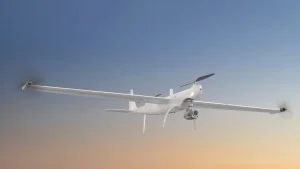
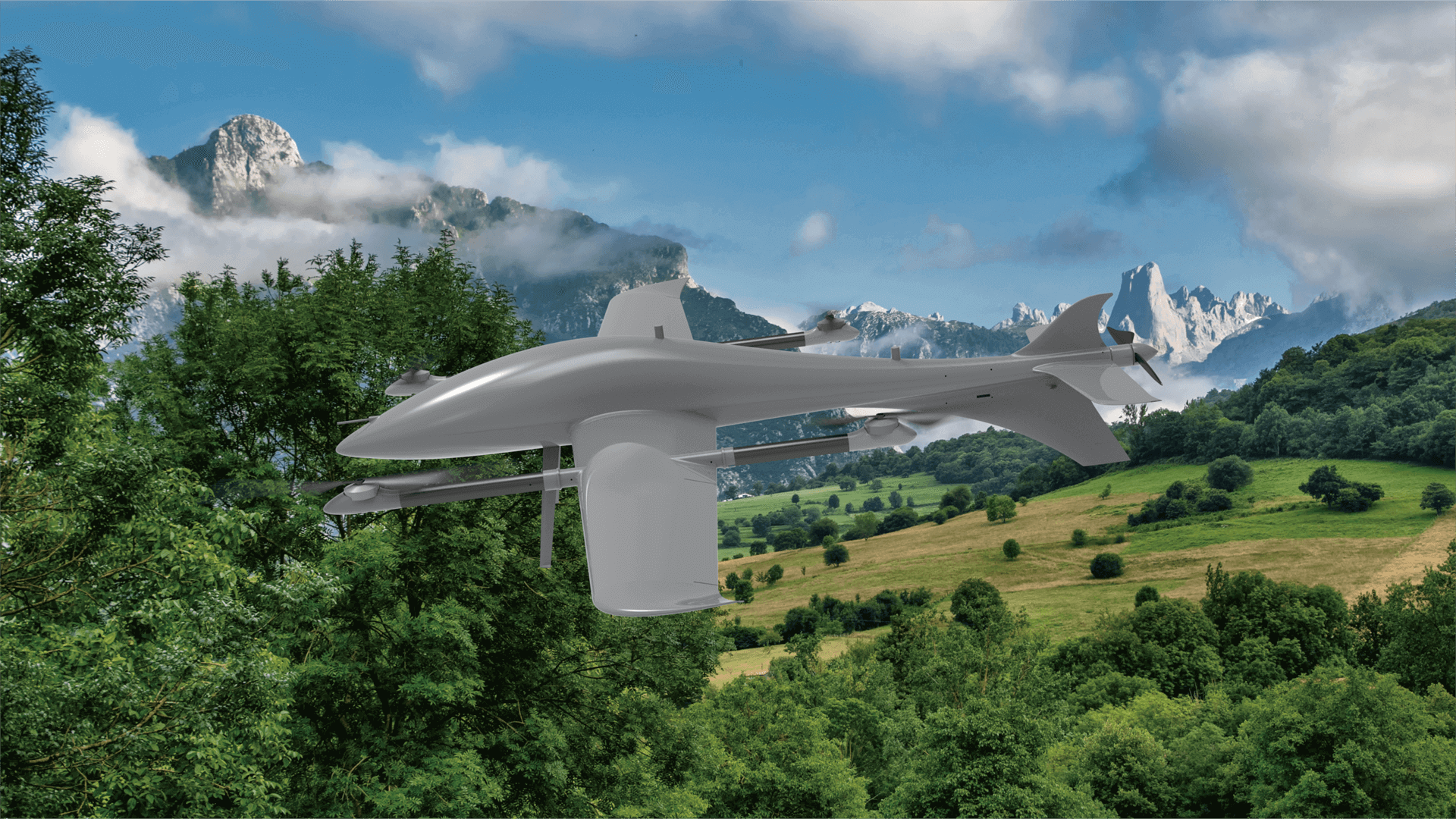
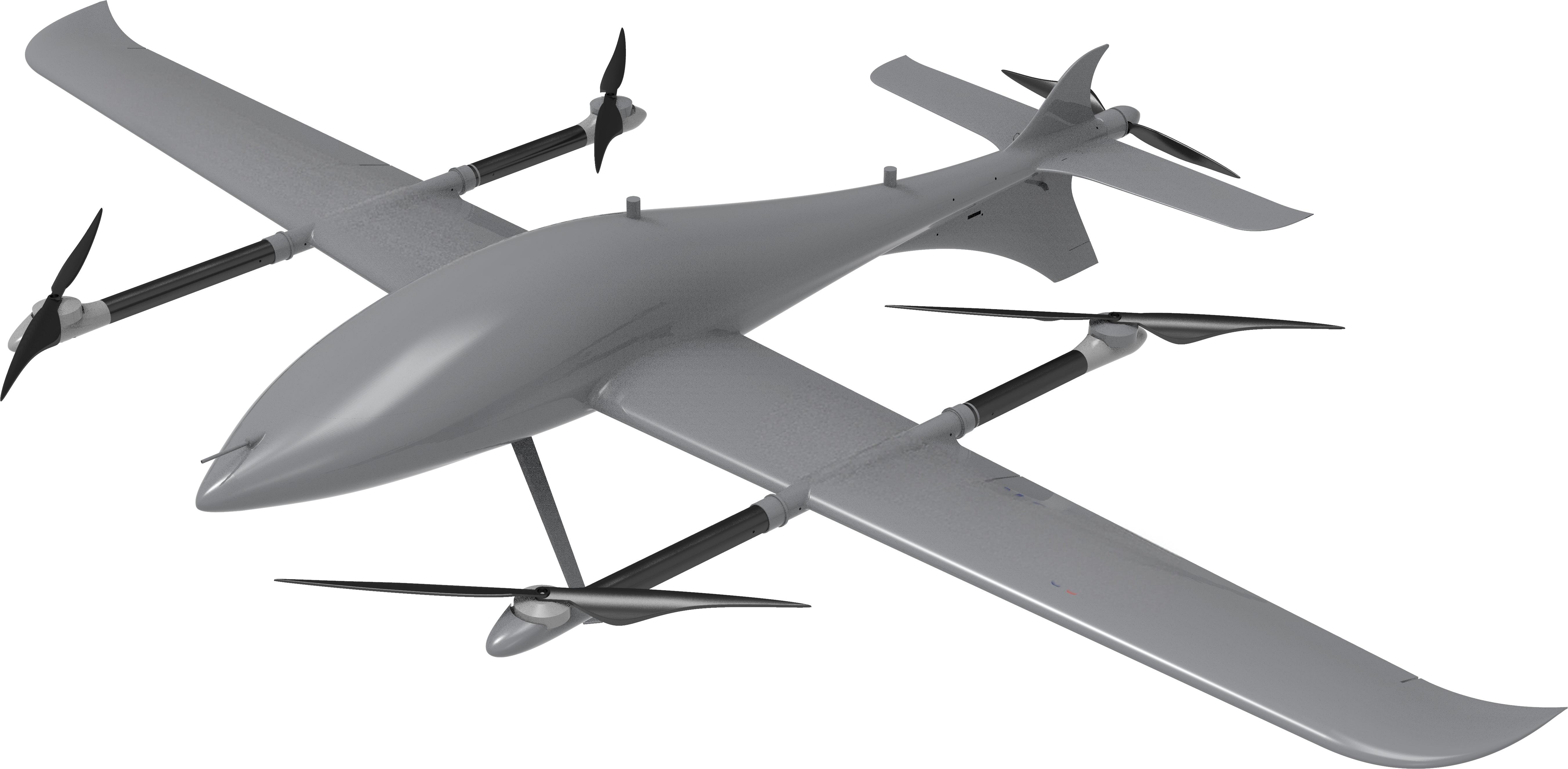
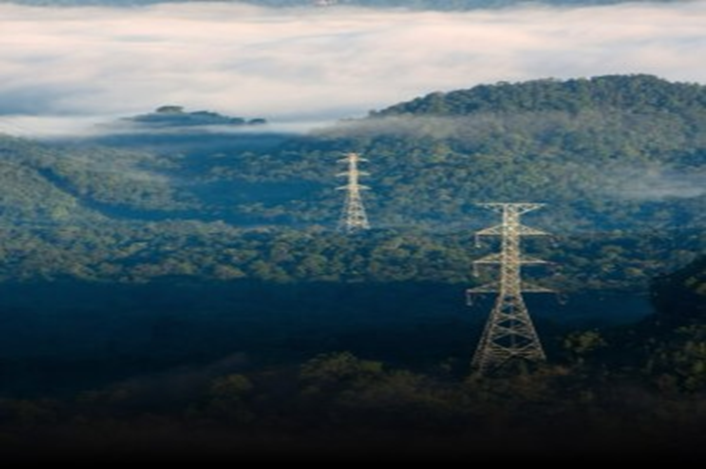
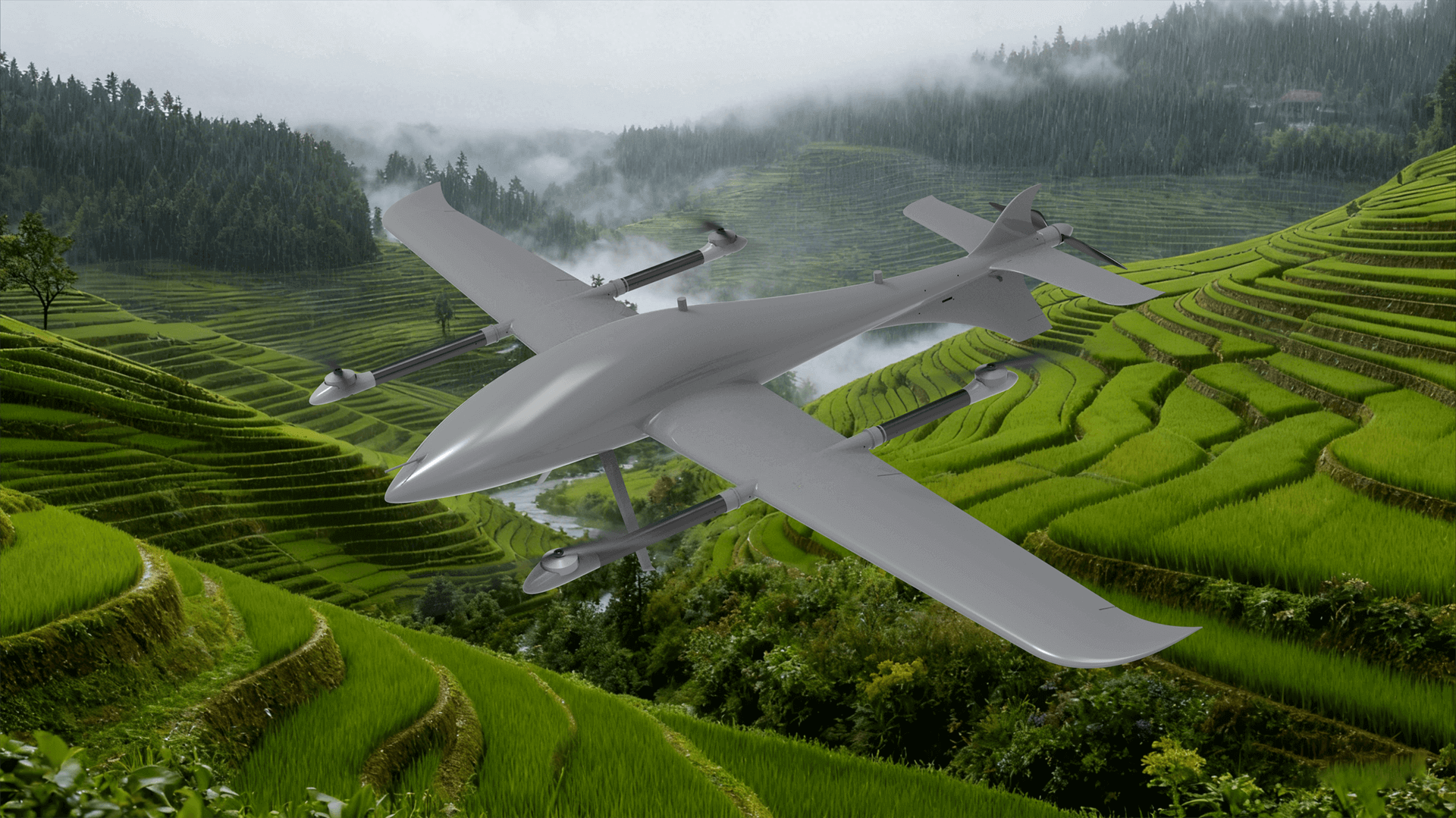
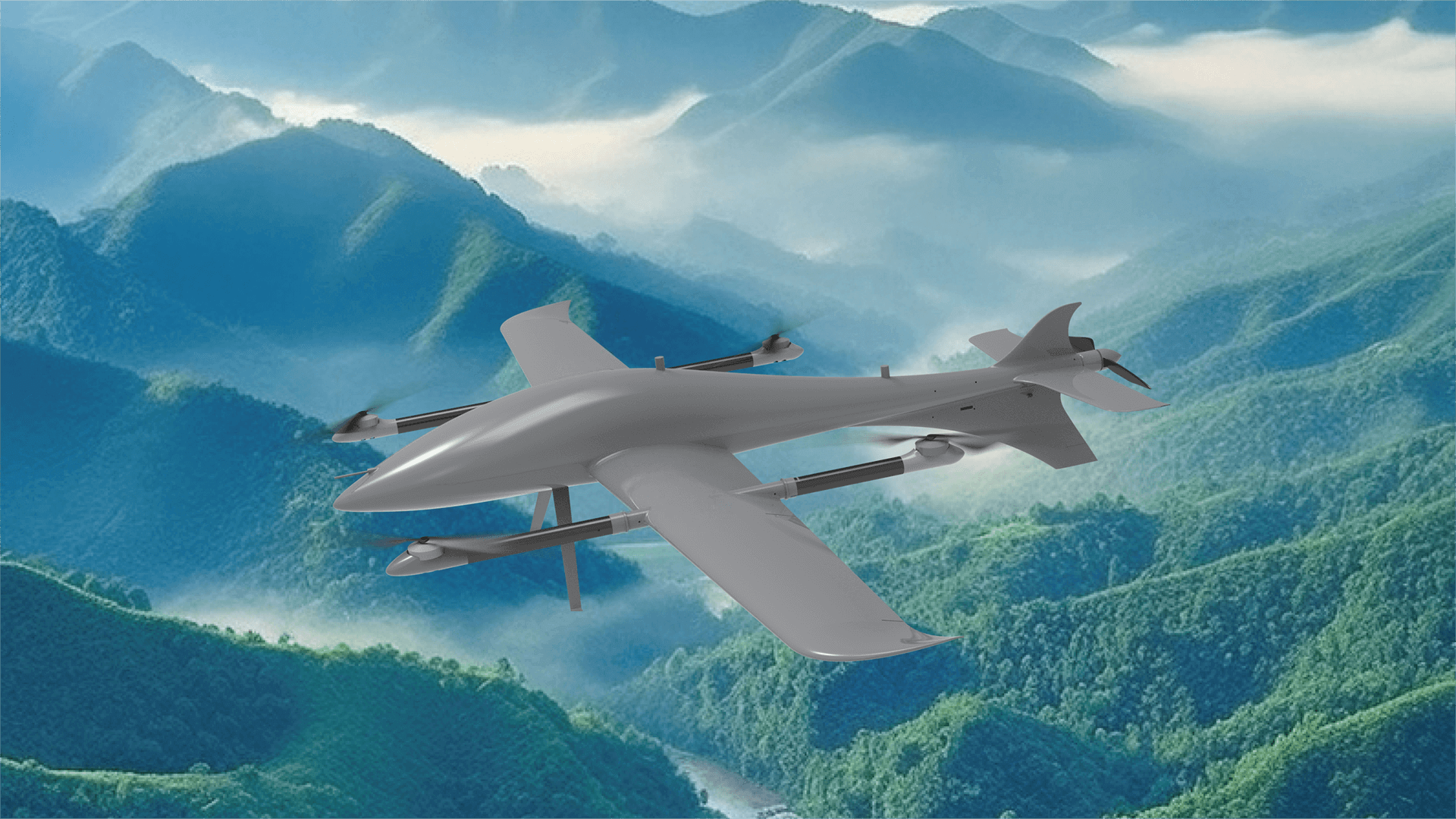
Equipped with a 4+1 power system and capable of operating at altitudes up to 5,000 meters, it delivers reliable stability and adapts to complex terrains and harsh weather conditions.
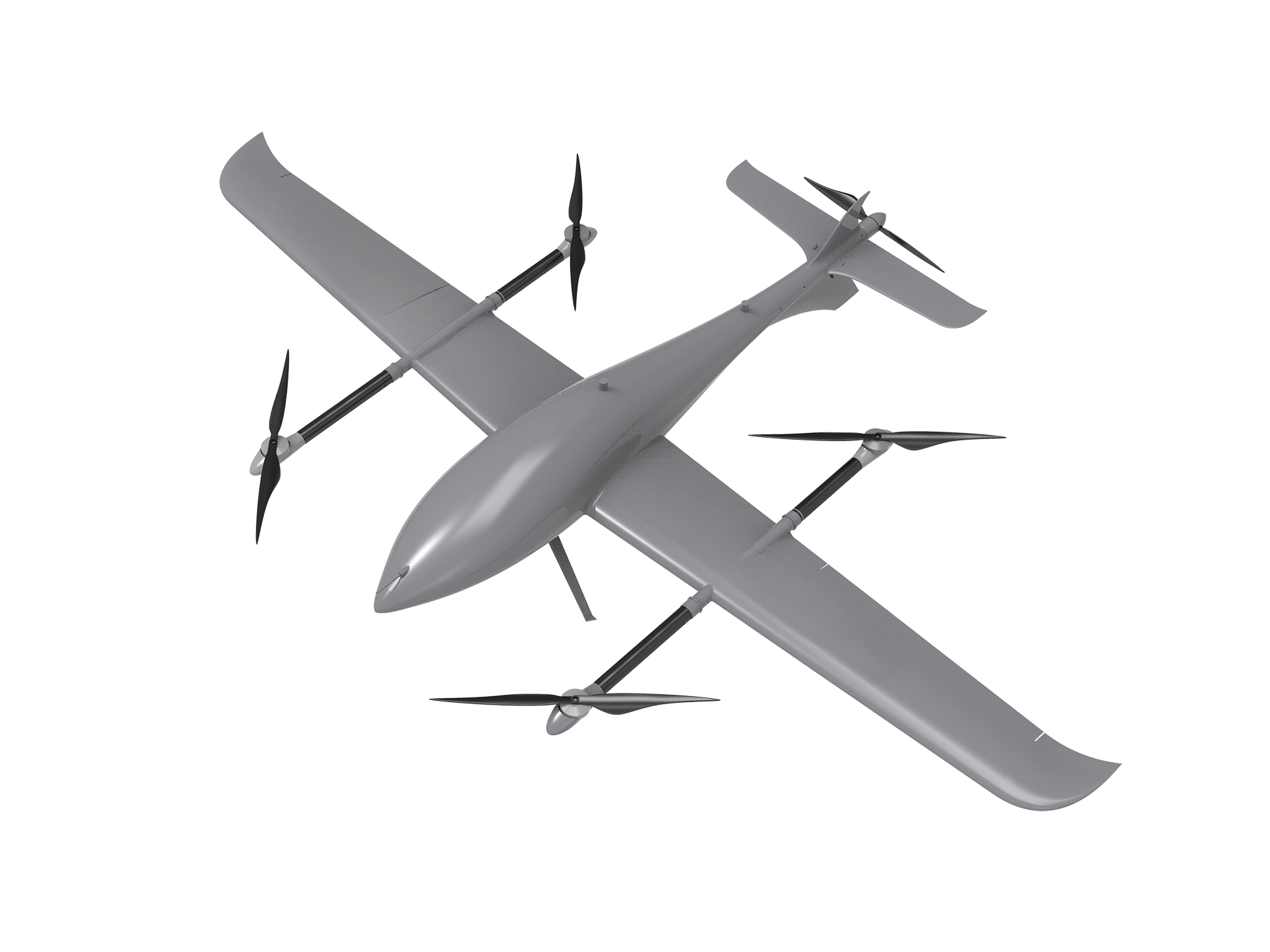
With up to 3.5 hours of standard operational flight time, the Jupiter V20H2 ensures extensive area coverage in a single mission, significantly improving patrol efficiency.
Constructed from high-strength composite materials and featuring a quick-assembly design, it combines a max takeoff weight of 10.5 kg with exceptional portability and field readiness.
The quick-swap mission bay supports various professional systems—including RGB, oblique, multispectral, and EO/IR—enabling rapid adaptation to diverse forestry monitoring needs.
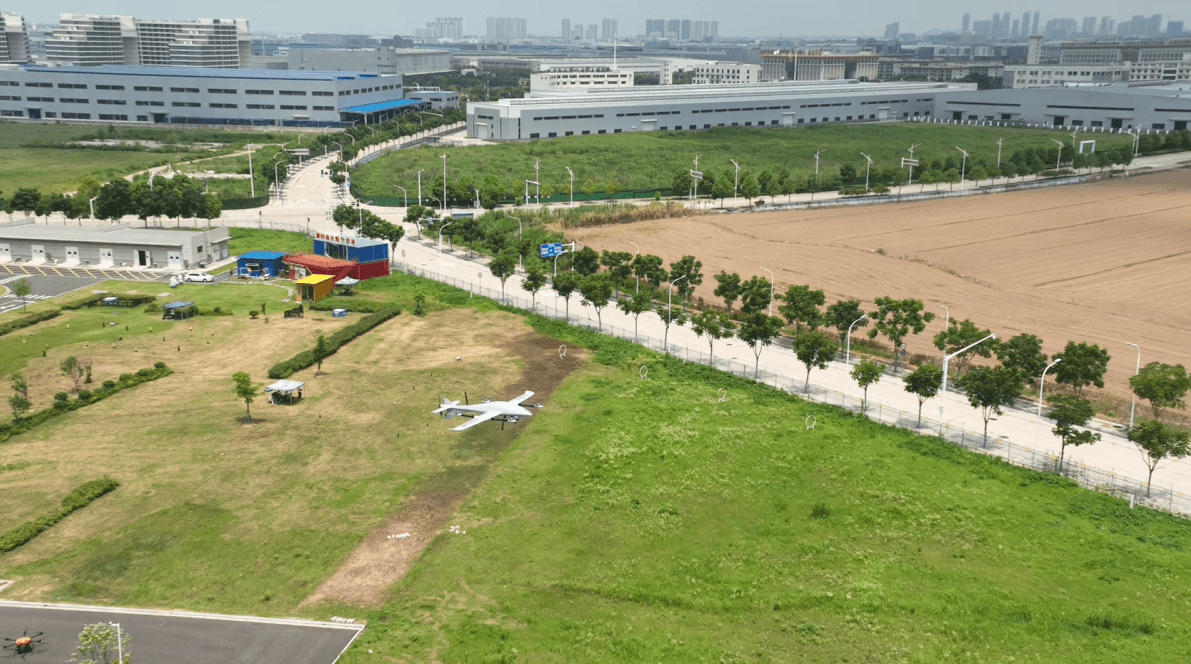
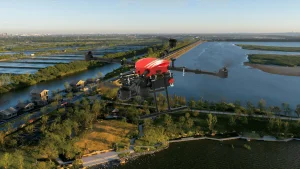
The image demonstrates the V20H2's exceptional capability for stable and precise take-off/landing in confined grassy areas, enabling seamless deployment between rural fields and nearby industrial or urban environments.
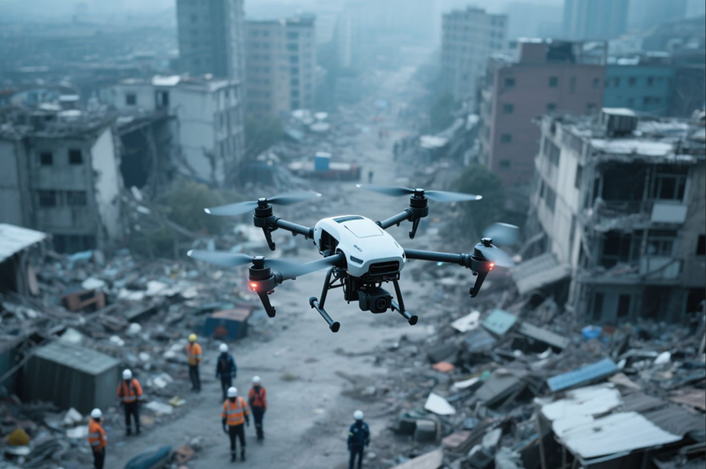
Equip your team with the Jupiter V20H2's thermal imaging to see through smoke and darkness, significantly improving your ability to prevent disasters and conduct rescue missions day or night.
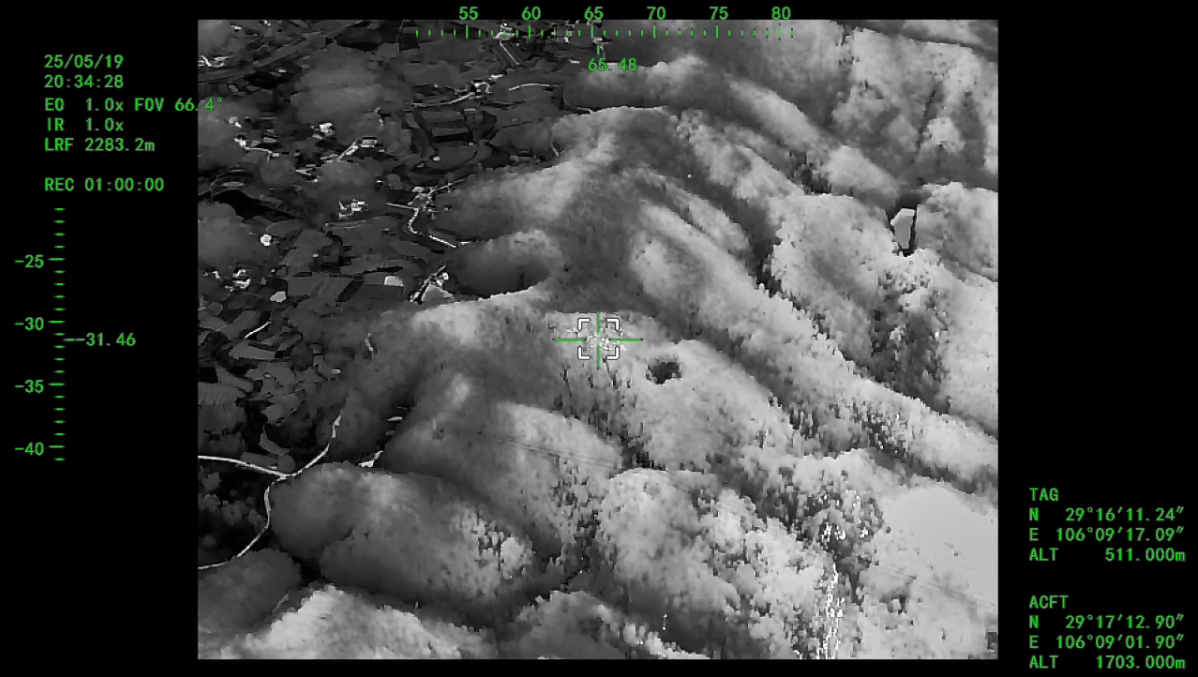
Equipped with a high-sensitivity infrared imager, it provides clear thermal data and enables effective operations around the clock, ensuring continuous day and night monitoring.
The integrated laser rangefinder delivers exact distance and coordinate information, allowing for actionable intelligence gathering even through dense foliage or adverse weather conditions.
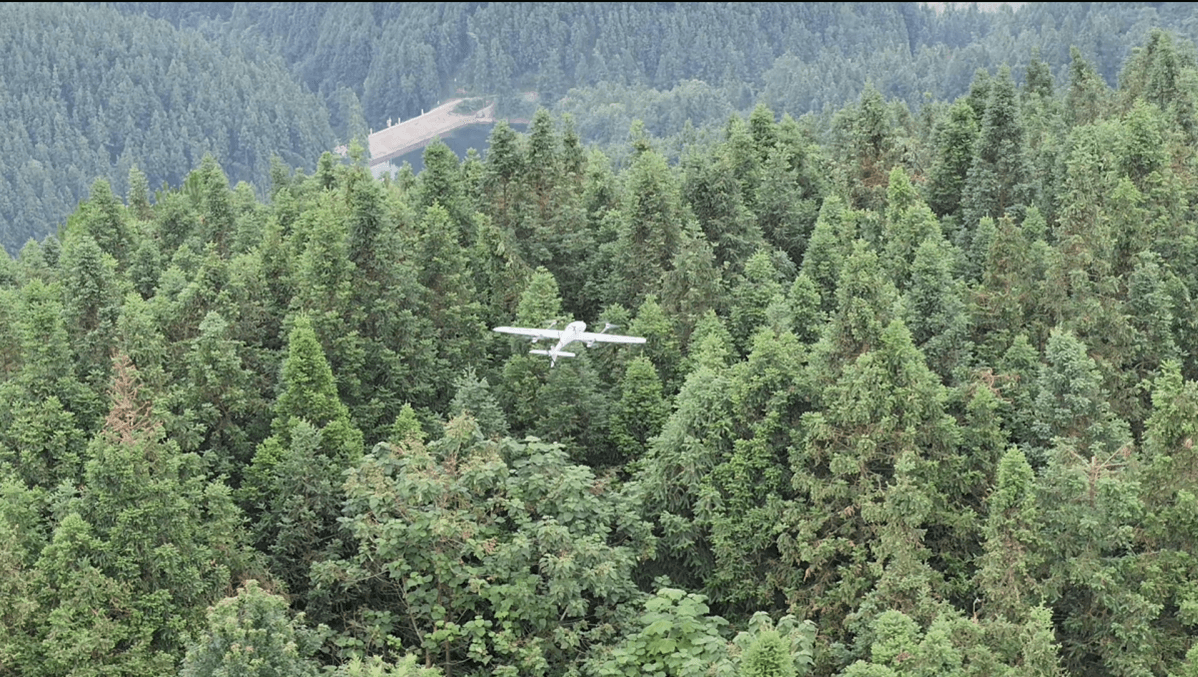
This operational footage from the Jupiter V20H2 showcases live EO/IR data overlay, precise coordinate tagging (TAG), and aircraft telemetry for actionable intelligence in complex terrain.
| Specification | Details |
|---|---|
| Maximum Takeoff Weight | 10.5 kg |
| Level Flight Speed | 18-35 m/s |
| Cruising Speed | 19 m/s |
| Endurance | 3.5 hours |
| Service Ceiling | 5,000 meters |
| Operating Temperature | -20°℃ to 45°C |
| Airframe Material | Aerospace Carbon Fiber Composite Material |
| Wind Resistance Rating | Takeoff/Landing: Level 5, Flight: Level 6 |
What is the maximum flight endurance of the V20H2?
The platform delivers up to 3.5 hours of standard operational flight time, allowing for extensive area coverage and improved efficiency in a single mission.
What altitude limits and environmental conditions can it handle?
It has a service ceiling of up to 5,000 meters and operates reliably in environments ranging from -20°C to 45°C. It features a Level 5 wind resistance rating for takeoff/landing and Level 6 during flight.
What materials are used in the construction of the V20H2?
The airframe is constructed from premium Aerospace Carbon Fiber Composite Material, ensuring a lightweight yet highly durable structure with a maximum takeoff weight of 10.5 kg.
What types of payloads are supported by the mission bay?
It features a quick-swap mission bay that supports various professional setups, including RGB, oblique, multispectral, and EO/IR imaging systems.
Does the platform feature thermal imaging and distance measurement capabilities?
Yes, it supports high-sensitivity infrared imaging for nighttime operations and a laser rangefinder to gather precise distance and coordinate data through dense obstacles.
What are the speed ranges of the flight system?
The V20H2 runs at a level flight speed range of 18-35 m/s, with a configured cruising speed of 19 m/s.