Modern agribusiness is undergoing a profound paradigm shift. The integration of Unmanned Aerial Vehicles (UAVs) has evolved past the trial phase of visual imaging to become the foundational layer of autonomous crop protection and precision data pipelines. As a global leader in custom farming drone manufacturing, we design systems that satisfy the strict requirements of agricultural conglomerates, commercial enterprise distributors, and local industrial service providers.
In compliance with the highest standards of data governance and aerial performance, we transition UAV platforms from complex tools into seamless, automated low-altitude infrastructure. This development allows commercial entities to solve chronic agricultural problems: labor shortages, soil erosion, changing weather patterns, and the ever-escalating costs of input agents (pesticides, water, and fertilizers).
By building traceable and repeatable systems, our custom farming drones close the loop from Discovery to Execution. Multispectral imaging detects crop stress weeks before it becomes visible to the naked eye. AI-driven algorithms calculate custom prescription maps, and heavy-payload platforms execute targeted variable spraying with millimeter-level precision.
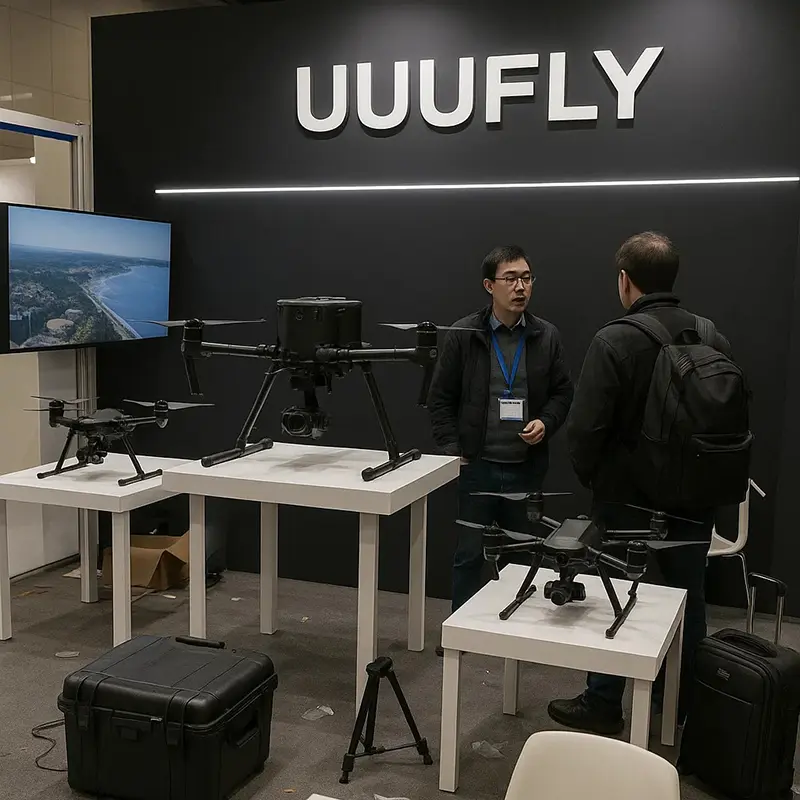
Agricultural demands vary significantly across geography, soil chemistry, crop types, and regional regulations. An effective commercial drone platform must support customization to suit localized industrial environments.
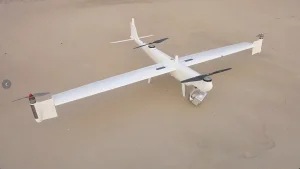
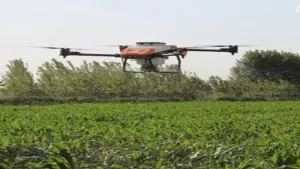
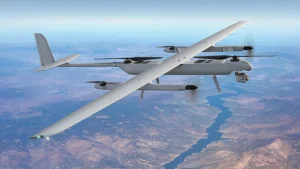
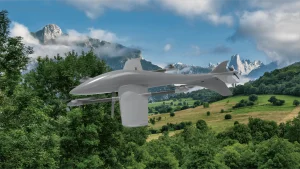
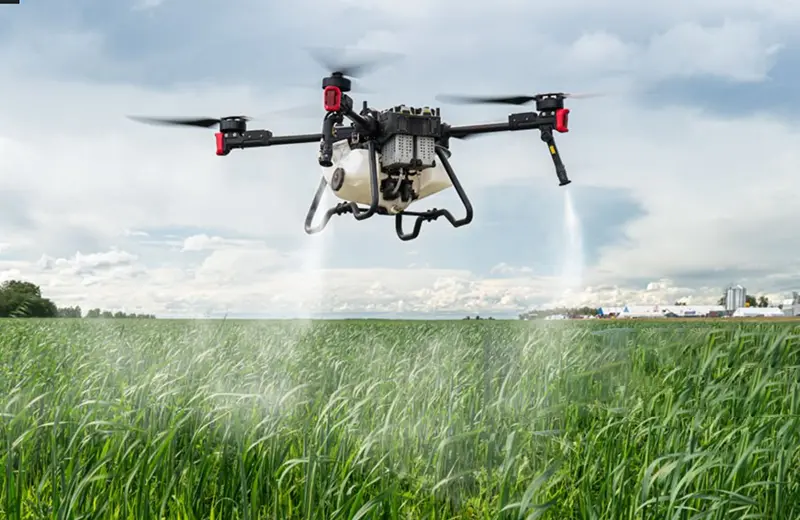
Large-scale sugarcane, corn, and soy farms in LATAM and Australia require heavy-lift, long-endurance platforms. Custom heavy-duty sprayer drones, such as the Advanced Alloy AL4-30, offer wide swath widths and dynamic flow-rate controls to cover hundreds of hectares daily while maintaining robust wind resistance and landing on rugged terrains.
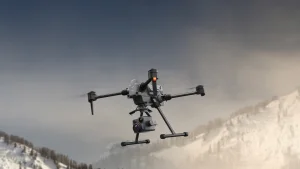
Steep elevation changes require advanced terrain-following capabilities. Integrated 3D LiDAR sensors and millimeter-wave radars allow customized UAVs to maintain constant relative heights above dense canopy structures, ensuring uniform chemical placement and protecting fruit crops in complex topographies.
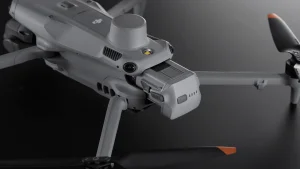
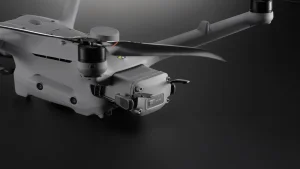
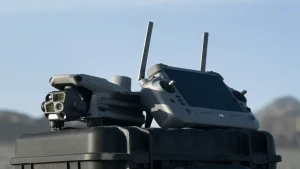
Vineyards and seed cultivation farms leverage customized multispectral cameras (such as the DJI Mavic 3M custom iterations) to monitor indices like NDVI, NDRE, and SAVI. Real-time edge-computing systems process high-resolution multispectral data directly on the drone, allowing instant decisions for targeted nitrogen application.
As an expert OEM/ODM factory, we stay at the cutting edge of industrial hardware developments, software intelligence, and clean energy integrations.
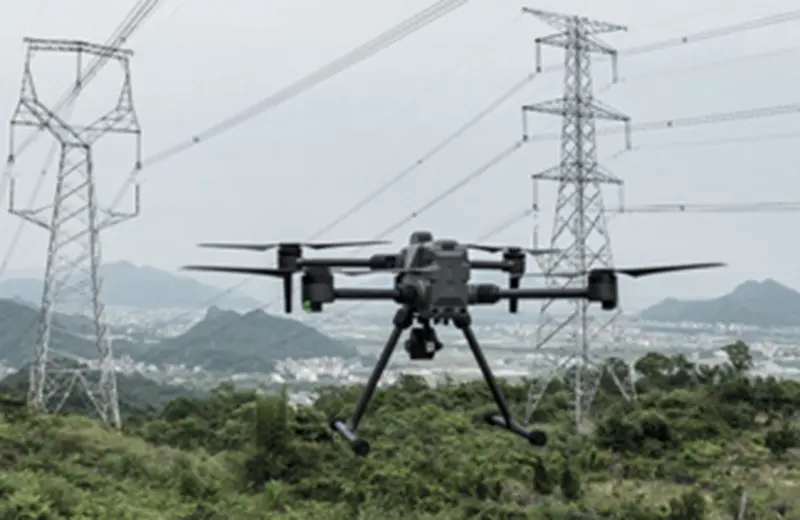
Next-generation agricultural drones are shifting from pre-planned GPS pathing to real-time obstacle avoidance and adaptive flight planning. Using SLAM (Simultaneous Localization and Mapping) and multi-sensor fusion (stereo vision, ultrasonic sensors, and RTK GNSS), custom UAVs operate safely beneath power lines, around trees, and in GNSS-denied environments.
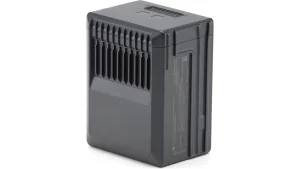
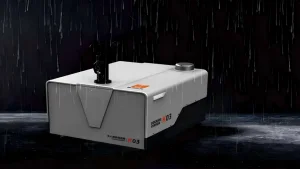
Down-time is a major bottleneck in drone spraying. Custom battery solutions, including high-density lithium-polymer battery packs compatible with industry standards like the DJI TB65 and Matrice 4 Series, are built to support 3C quick-charging. Combined with active air-cooled docking stations, operators can achieve continuous flight operations with minimal batteries.
Corrosion from aggressive liquid chemical agents and fertilizer dust poses a risk to typical drone frames. We utilize advanced carbon-fiber composite bodies combined with specialized aviation alloys (e.g., in the AL4-30 Agriculture Sprayer Drone) to deliver maximum structural integrity at minimal weight, extending frame lifespan and ensuring reliable IP67 weather sealing.
Instead of single-drone controls, industrial scale demands multi-UAV coordination. Integrated cloud dispatch software allows a single supervisor to orchestrate a fleet of autonomous spraying, spreading, and inspection drones. Standardized API linkages and cellular 5G modules guarantee reliable data flows back to global agricultural management portals.
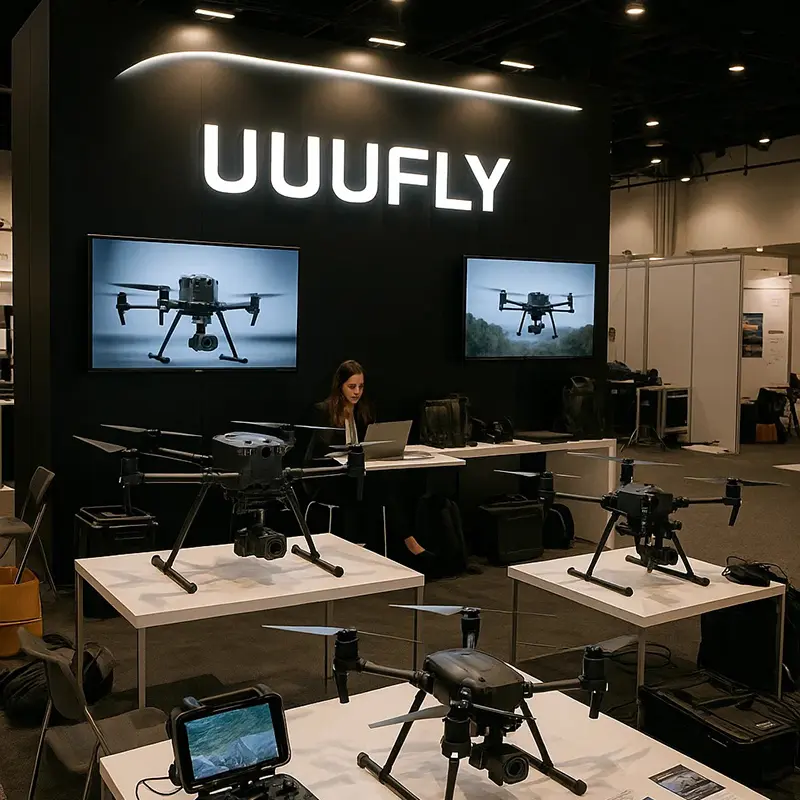
Global buyers face volatile supply chains, tariff fluctuations, and varying quality standards. Choosing our state-of-the-art manufacturing facilities in China provides immediate access to the world’s most advanced drone ecosystem. Under our Factory 4.0 architecture, custom drone designs transition from conceptual CAD drawings to physical deployment rapidly.
Our facilities integrate structural molding, precision CNC component machining, automated PCB surface-mounting (SMT), and rigorous environmental simulation chambers. Each drone undergoes strict quality checks, including electromagnetic compatibility (EMC/EMI) testing, vibration stress testing, high-pressure liquid ingress verification, and real-world payload test flights under high wind conditions.
This integrated supply chain allows us to maintain stable pricing, shorten lead times, and deliver customized options that generic drone manufacturers cannot match.
We turn drones from tools into infrastructure, enabling the global low-altitude economy with engineering rigor and compliance.
With millimeter-level positioning and encrypted video links, combined with dual-spectrum defect detection and AI target recognition, defect discovery efficiency improves by about 40%. Autonomous patrols and emergency response remain reliable in complex environments. The fast-charge system is compatible with mainstream fleets (80% in 30 minutes), and carbon-fiber propellers with IP67 motors cover most models. In multiple grid pilots, defect detection reached 99.7%.
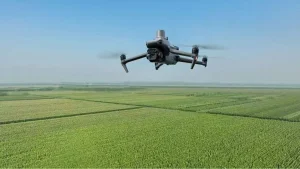
Multispectral payloads and AI analytics enable early diagnosis of pests and diseases (about 98% accuracy). Variable spraying reduces pesticide use by roughly 30%, while a 50Ah battery and corrosion-resistant tank allow a single flight to cover 200+ mu (≈16 acres). At scale, farms typically see 20–30% lower operating costs.
Combining LiDAR with oblique photogrammetry delivers 0.05-m 3D mapping, making modeling about 5× faster and reducing cost by 60%. With GDPR-compliant encrypted transmission and 5G for real-time cloud analytics, our data underpins urban planning and digital-twin programs, boosting planning efficiency by around 300% in typical projects.
The platform provides autonomous routes, fleet scheduling, mission orchestration and an edge-to-cloud pipeline. Open APIs and message buses integrate seamlessly with enterprise systems to build a secure, observable low-altitude network.
We combine aerospace engineering, embedded systems, computer vision, and large-scale operations. We understand vehicles and payloads, and we understand the safety standards and compliance that keep missions trustworthy.
Industrial operations leave no room for failure. A drone crashing in a remote field or losing telemetry connection over sensitive infrastructure compromises productivity and safety.
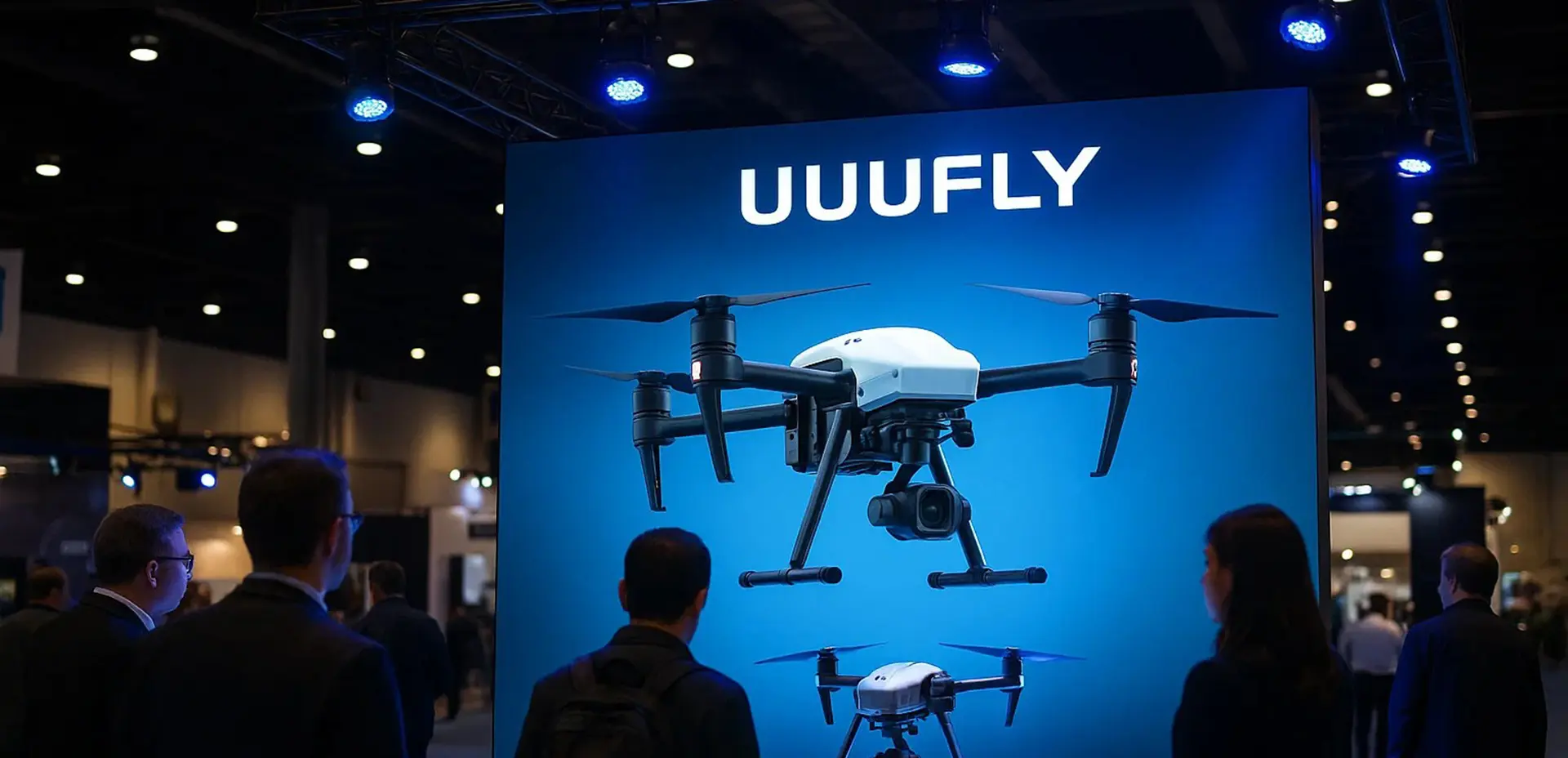
Our custom manufacturing processes adapt key UAV architectures to handle security, utility, surveying, protection, and modern farm spraying.
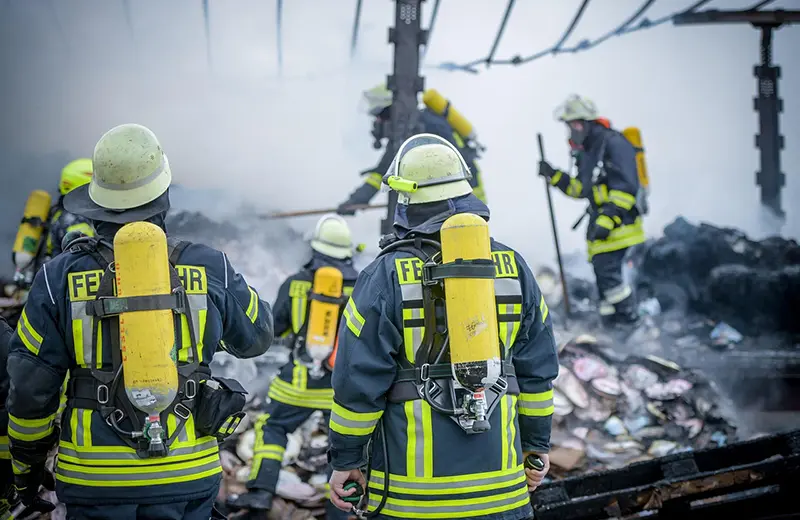

Find expert answers to common queries regarding customization options, battery lifetimes, payload capacities, and regulatory compliance protocols for industrial agricultural UAV fleets.
 UUUFLY