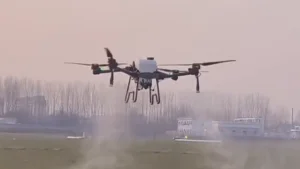
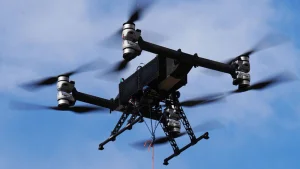
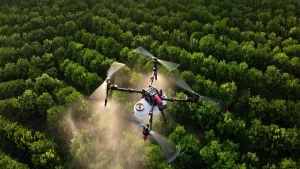
Bowl grapes—historically referred to in high-density trellis systems, overhead basin pergolas, and potted vineyard operations—present one of the most demanding layouts for agricultural spraying and canopy inspection. The unique verticality, dense multi-layered canopy structures, and micro-climatic zones within these configurations render traditional tractor-mounted blast sprayers inefficient and structurally destructive.
As a leading pioneer in the low-altitude economy, UUUFLY has developed specialized UAV configurations tailored specifically to address these agricultural complexities. By utilizing centimeter-level RTK positioning, optimized downwash airflow dynamics, and multi-spectral sensors, our custom drones ensure deep penetration through the protective leaf layers, depositing micron-level droplets directly into the fruiting zones. This eliminates chemical runoff, preserves soil health, and significantly mitigates the risk of localized fungal and pest outbreaks.
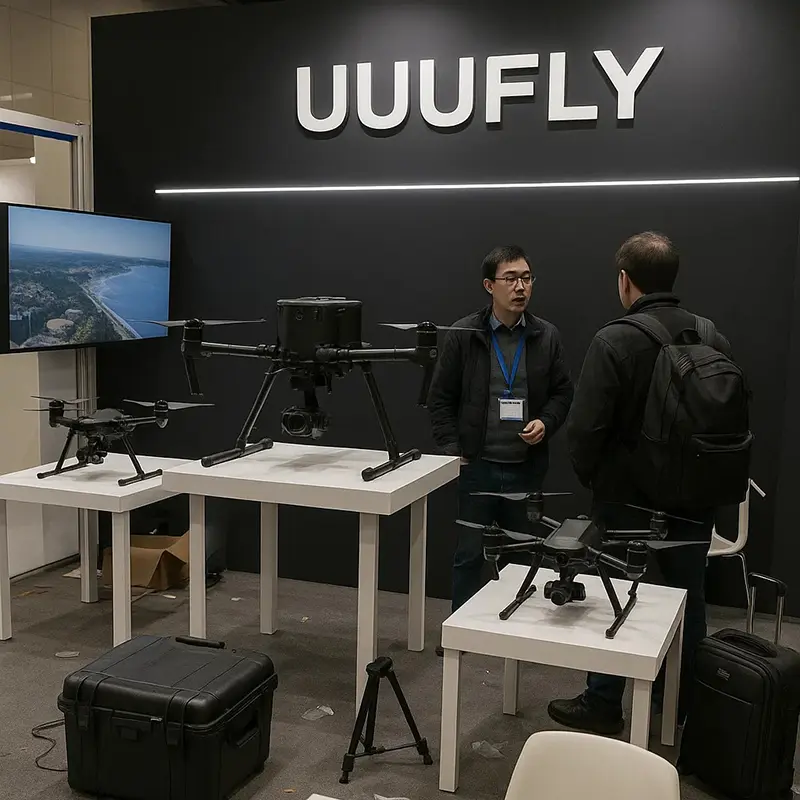
As the global hub of unmanned aerial vehicle innovation, China’s industrial ecosystem provides unparalleled supply chain integrations, raw material accessibility, and technical agility.
By housing structural carbon-fiber processing, precision ESC manufacturing, high-density cell assembly, and sensor integration within a localized cluster, we shorten engineering design cycles from months to days.
We tailor payload capacities, battery Chemistries (Li-Po, Solid-State), motor power ratios, and software APIs to meet localized territorial compliance (FAA Part 107, EASA) and specialized chemical profiles.
Every drone undergoes rigorous electromagnetic compatibility (EMC/EMI) testing, vibration stress analysis, and full-load environmental chamber simulation (ranging from -20°C to 60°C) prior to global dispatch.
We turn drones from tools into infrastructure, enabling the global low‑altitude economy with engineering rigor and compliance.
UUUFLY builds repeatable, traceable and compliant UAV systems through integrated innovation across hardware, algorithms and data operations. We close the loop of Discover → Decide → Execute → Trace for power, agriculture and smart‑city customers, delivering measurable aerial productivity at scale.
Our core capabilities include: dual‑spectrum defect detection (power inspection), multispectral sensing & variable spraying (precision agriculture), 0.05‑m 3D mapping (smart city), autonomous routes & fleet scheduling (scaled operations), and an end‑to‑end edge‑to‑cloud data pipeline (governance & compliance).
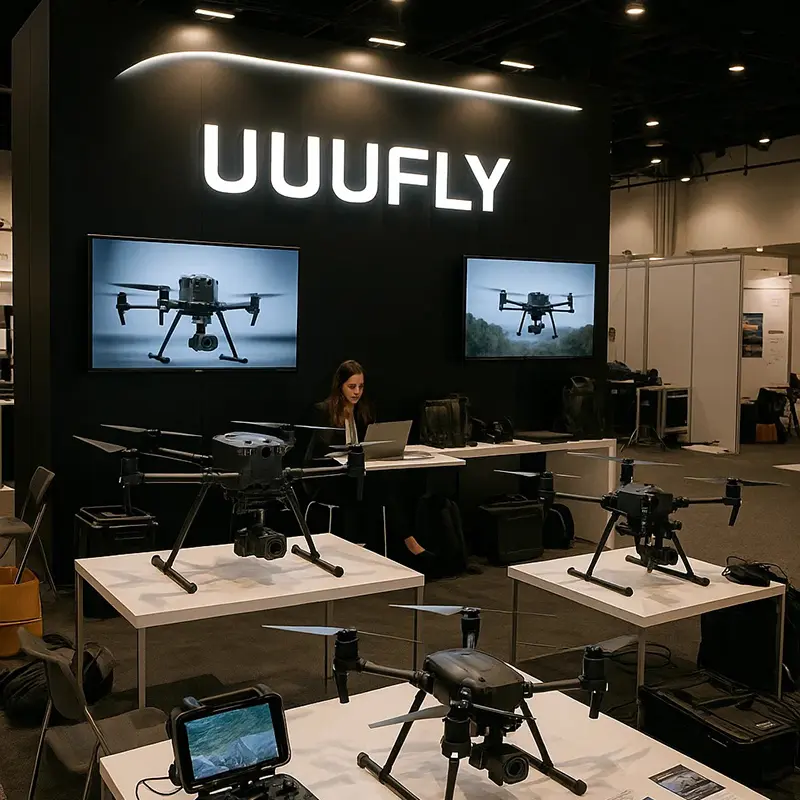
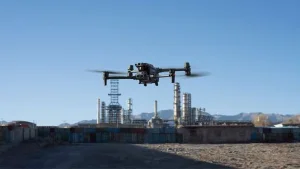
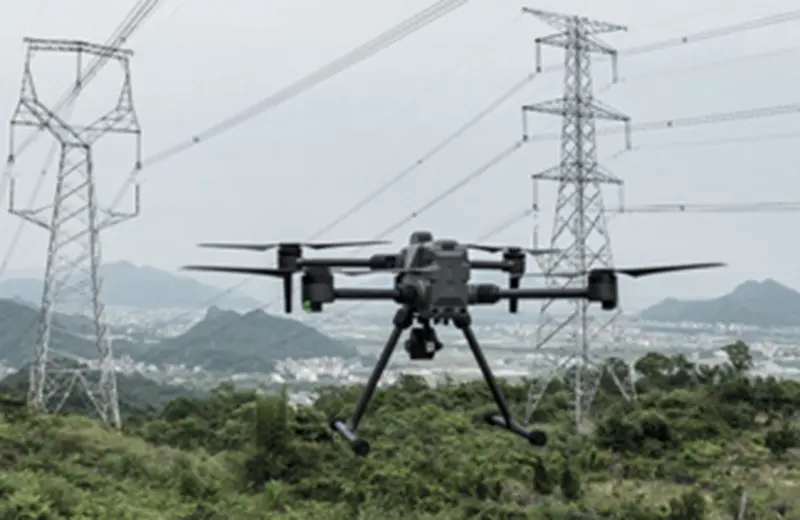
With millimeter‑level positioning and encrypted video links, combined with dual‑spectrum defect detection and AI target recognition, defect discovery efficiency improves by about 40%. Autonomous patrols and emergency response remain reliable in complex environments. The fast‑charge system is compatible with mainstream fleets (80% in 30 minutes), and carbon‑fiber propellers with IP67 motors cover most models. In multiple grid pilots, defect detection reached 99.7%.
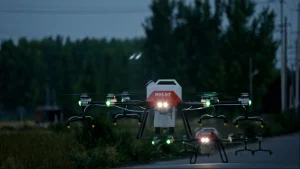
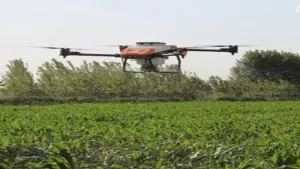
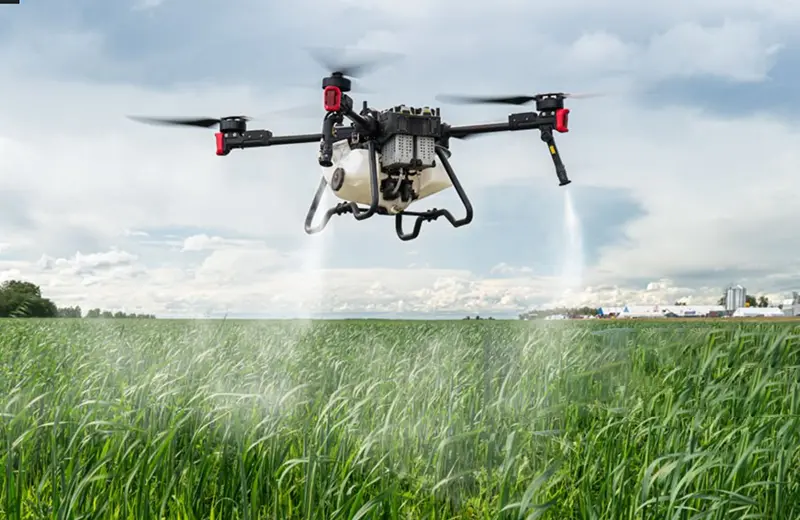
Multispectral payloads and AI analytics enable early diagnosis of pests and diseases (about 98% accuracy). Variable spraying reduces pesticide use by roughly 30%, while a 50Ah battery and corrosion‑resistant tank allow a single flight to cover 200+ mu (≈16 acres). At scale, farms typically see 20–30% lower operating costs.
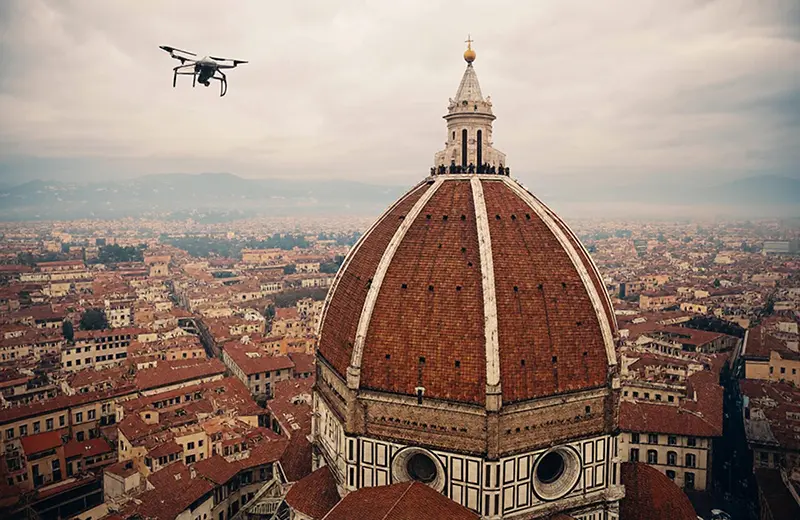
Combining LiDAR with oblique photogrammetry delivers 0.05‑m 3D mapping, making modeling about 5× faster and reducing cost by 60%. With GDPR‑compliant encrypted transmission and 5G for real‑time cloud analytics, our data underpins urban planning and digital‑twin programs, boosting planning efficiency by around 300% in typical projects.
Modern viticulture is facing significant headwinds due to changing climatic patterns, labor shortages, and strict ESG requirements. Here is how advanced drone systems are redefining vineyard management globally:
Integrating artificial intelligence into crop management allows drones to model the volume of grape canopies in 3D. The drone automatically adjusts its altitude and droplet speed based on canopy density, ensuring that the inner leaves of the "bowl" structures receive uniform chemical coverage without wasting resources.
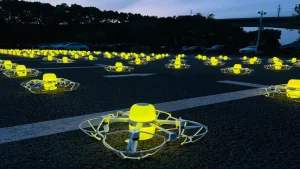
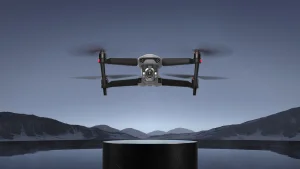
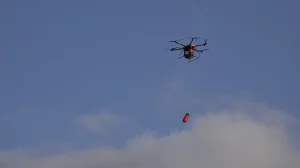
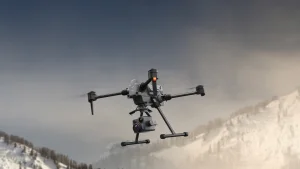
To reduce carbon footprints, wineries are transitioning from gas-powered machinery to electric UAVs. Utilizing autonomous docking stations (Drone-in-a-Box), operators can program a fleet of multirotors to conduct continuous thermal and multispectral mapping runs over thousands of hectares with zero human intervention.
Rather than blanket-spraying an entire vineyard, multispectral imagery isolates localized disease pressure points. Drones then deploy precise, variable-rate chemicals strictly to the affected vines. This process reduces chemical waste by up to 50% while preventing systemic crop failure.
In countries like Italy, France, and parts of Central Asia, bowl-shaped vine setups and steep terraced vineyards prevent heavy machinery from entering. UUUFLY's terrain-following radar system allows the drone to maintain a consistent height (e.g., 2.5 meters) above the vine canopy, adapting to vertical slopes of up to 45 degrees.
For corporate buyers in Chile, Argentina, and California's Central Valley, scale is critical. Large-capacity drones like the AL6-30 and Keel Max facilitate rapid chemical distribution across wide swathes of land, with hot-swappable spray tanks and smart batteries reducing refueling and recharge downtime.
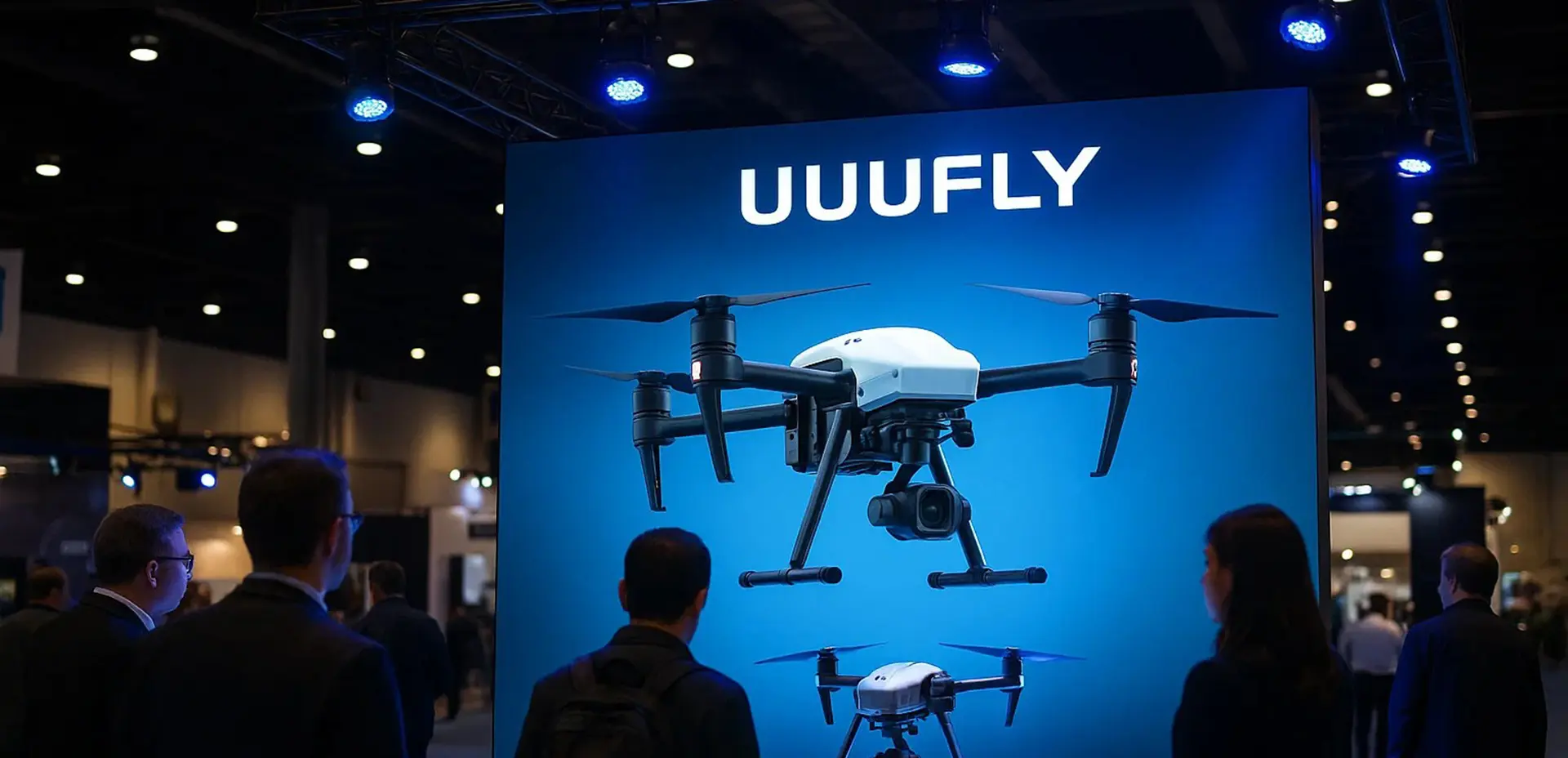
We have established a track record of delivering resilient, high-performance systems for challenging environments worldwide.
Our team combines aerospace engineering, embedded systems, computer vision, and large‑scale operations. We understand vehicles and payloads, and we understand the safety standards and compliance that keep missions trustworthy.
Former industrial UAV product lead; drives product architecture, standardization and ecosystem partnerships.
Computer vision & autonomy specialist focusing on sensor fusion, target detection and mission decision systems.
Drives localization and partner-led delivery across the Middle East, Pakistan, and Russia.
Aerospace & electrical engineer focusing on payload integration, EMC/EMI and reliability design.
Leads model training and mission orchestration to optimize detection accuracy and decision strategies.
Drives localization and partner‑led delivery across LATAM & MENA.
 UUUFLY