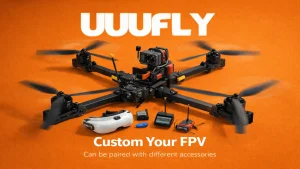
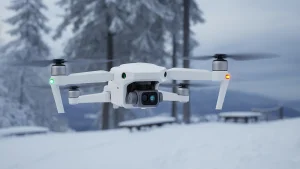
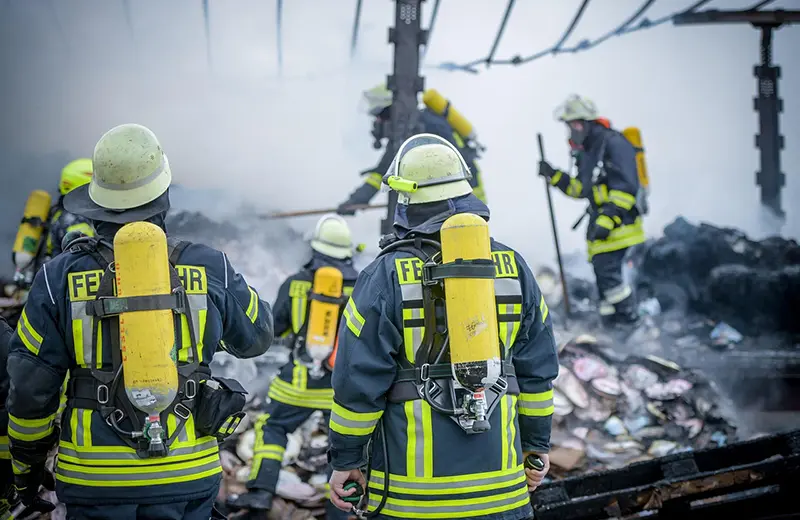
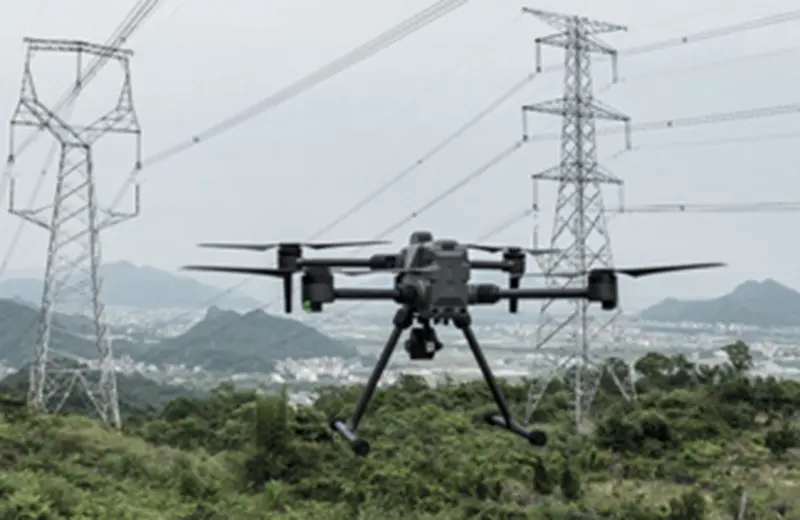
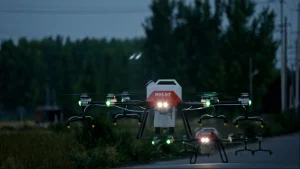
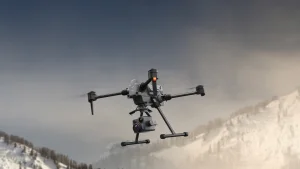
Deploying specialized UAV solutions tailored for high-risk chemical environments, offshore structures, pipeline corridor operations, and intensive agricultural monitoring.
The energy sector is undergoing a profound structural shift where manual pipeline monitoring and traditional offshore helicopter sweeps are rapidly being replaced by autonomous, high-payload unmanned aerial systems. The global oil and gas UAV market is shifting from visual monitoring tools to highly integrated IoT nodes capable of working in ATEX Zone 1 and Zone 2 hazardous settings.
Supermajor oil companies utilize UAVs equipped with optical gas imaging (OGI) payloads, dual-spectrum thermal cameras, and laser absorption spectrometers to detect fugitive methane emissions. This is crucial for meeting environmental regulations like the EPA guidelines and EU carbon limits. Operating within harsh environments—ranging from the extreme cold of Siberian drilling pipelines to the high-temperature offshore rigs in the Persian Gulf—demands unparalleled structural engineering and reliable communication channels.
By leveraging unmanned aerial vehicles (UAVs), energy operators mitigate safety risks associated with rope-access technicians climbing tall flare stacks, while simultaneously reducing routine asset downtime by up to 35% through real-time predictive maintenance.
Unlocking competitive advantages through unparalleled supply chain depth, advanced rapid-prototyping, and rigorous testing protocols standard in Chinese drone manufacturing hubs.
Proximity to component manufacturers allows Chinese factories to design, source, and assemble custom carbon-fiber airframes, IP67 brushless motors, and proprietary flight control boards within remarkably short lead times. This eliminates delays from third-party component shipping.
By shipping over 500k+ core components to more than 300 global enterprise customers, UUUFLY’s manufacturing hubs ensure continuous quality controls, strict electromagnetic compatibility (EMC/EMI) screenings, and component traceability across every production batch.
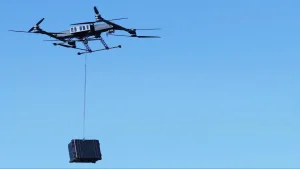
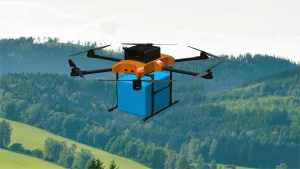
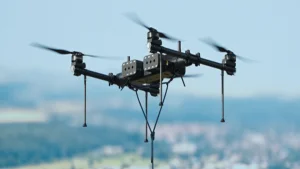
Chinese factories excel at rapid modification loops. Whether adapting a custom multi-rotor platform like the Mercury X30 for precision logistics, or installing advanced optical gas sensor mounts onto heavy-lift coaxial quadcopters like the KEEL PRO, updates go from concept to flight-testing within weeks.
We turn drones from tools into infrastructure, enabling the global low‑altitude economy with engineering rigor and compliance. Our mission focuses on closing the loop of Discover → Decide → Execute → Trace for power grid, agricultural, and petrochemical customers.
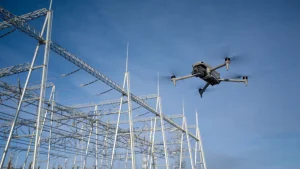
Equipped with millimeter-level RTK positioning and encrypted video transmission, we integrate dual-spectrum defect detection and AI-based target recognition. This setup yields a 40% improvement in defect discovery. Additionally, our rapid-charging stations (capable of delivering 80% charge in 30 minutes) ensure continuous workflow operations. Robust carbon-fiber construction and IP67-rated motors secure reliable performance in high-wind conditions.
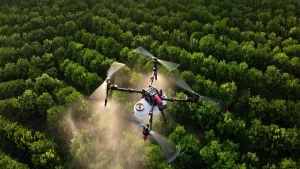
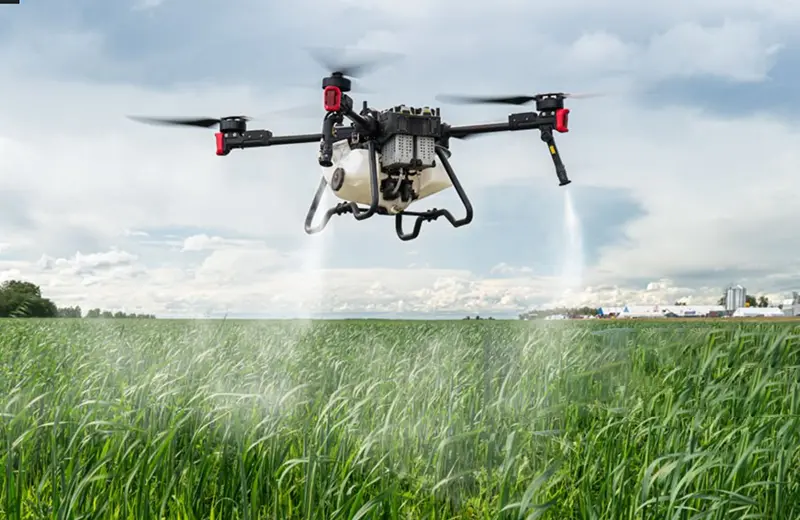
Utilizing multispectral payloads and advanced AI analytics, our agricultural drones deliver early-stage pest and crop disease detection with up to 98% diagnostic accuracy. By optimizing variable-rate spraying configurations, chemical inputs are reduced by 30%. Operating with a high-capacity 50Ah power unit and corrosion-resistant tanks, UUUFLY systems cover over 200+ mu (~16 acres) on a single battery set, yielding average operating cost reductions of 20-30%.
By pairing airborne LiDAR with oblique photogrammetry cameras, we generate 0.05-meter high-fidelity 3D models. This integration speeds up urban mapping pipelines by 5x while lowering operational costs by 60%. Incorporating 5G real-time cloud data pipelines and GDPR-compliant secure transmission structures, UUUFLY platforms enable city planners to construct high-accuracy digital twins effortlessly.
The platform provides autonomous routing, fleet scheduling, mission orchestration, and an end-to-end edge-to-cloud pipeline. Standard open APIs and secure messaging buses integrate with enterprise ERPs and SCADA networks to build a secure, observable low-altitude data infrastructure.
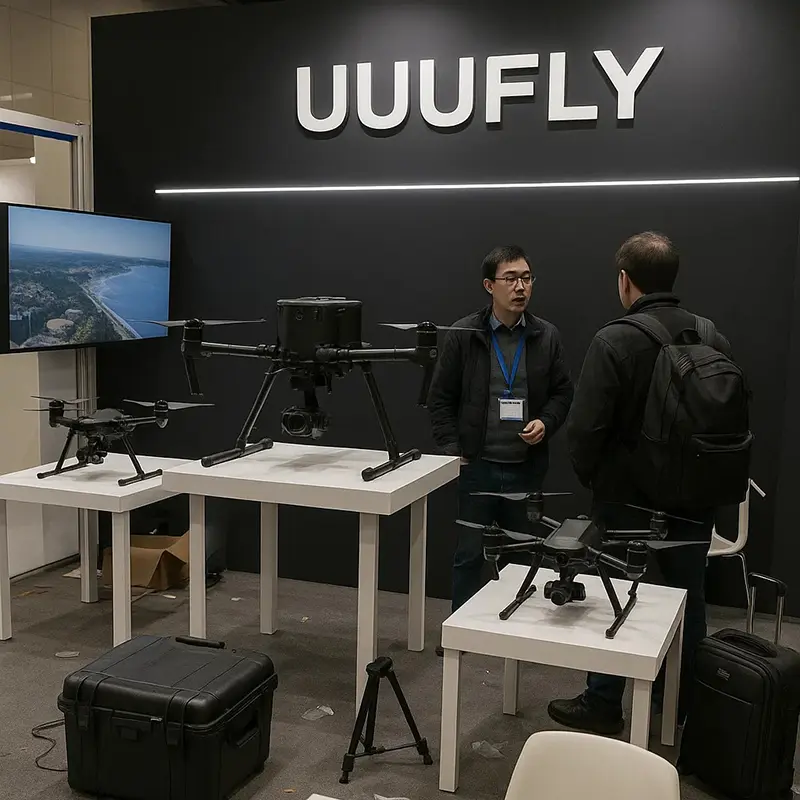
Adapting heavy-duty UAV payloads to meet regional weather, regulatory, and geological demands across global markets.
UAV operations in regions like the Rub' al Khali desert require specialized sand-filtering air intake structures and IP67-rated brushless motors. Long-endurance multi-rotors inspect thousands of miles of crude oil pipelines, detecting structural sand encroachment, pipeline theft, and small pressure leaks using thermal sensors.
Operating in salt-spray, high-humidity, and Force 7 wind conditions requires carbon-fiber frame constructions and corrosion-proof components. Coaxial quadcopters inspect offshore flare stacks and under-deck structures, replacing dangerous rope-access operations.
Inspecting pipelines and wellpads through dense rain forest areas requires Beyond Visual Line of Sight (BVLOS) flight capabilities, dual satellite connectivity, and high-penetration LiDAR payloads to map topography beneath heavy canopy coverage.
Global energy enterprises prioritize compliance and security. Multi-national operators require custom integrations to ensure UAV fleets fit seamlessly into pre-existing workflows without generating data vulnerabilities or operational delays.
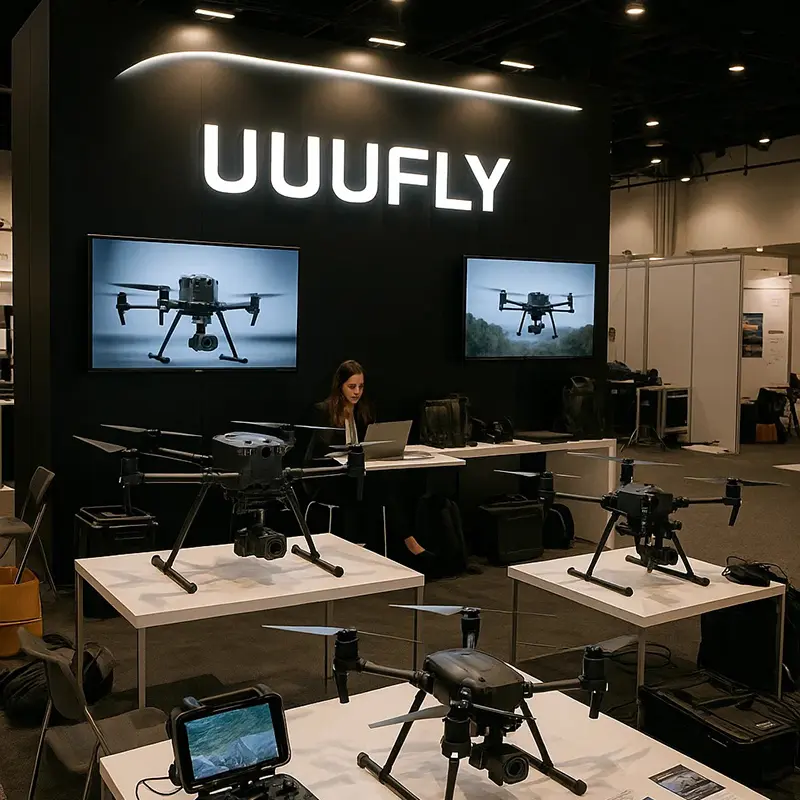
With deep roots in aerospace engineering, embedded systems, and machine vision, UUUFLY designs dependable industrial solutions backed by strict regulatory compliance (CE/FCC/RoHS) and field-tested components.
While lithium-ion batteries are the current standard, hydrogen fuel cells will extend drone flight times from 40 minutes to over 3 hours. This allows continuous inspection of pipelines stretching hundreds of miles in one single flight.
Processing raw thermal or optical data on-board using low-power edge GPUs allows real-time leak detection alerts without needing high-bandwidth cloud uploads during flight. Drones flag issues and transmit coordinates instantly via satcom.
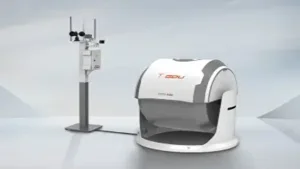
Weatherproof automated docking stations will deploy drones on preset schedules, change batteries, upload data, and perform self-diagnostic checks without human crews on site. This enables permanent, autonomous facility monitoring.
Deploying specialized UAV solutions tailored for high-risk chemical environments, public safety response, infrastructure mapping, and intensive agricultural monitoring.
Get expert answers on regulatory approvals, technical specifications, customization options, and deployment strategies for our industrial UAV systems.
Browse heavy-lift electric quadcopters, long-range commercial platforms, custom batteries, and agricultural spraying units.
 UUUFLY