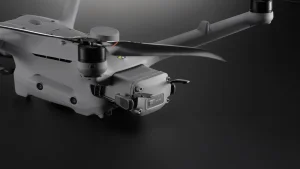
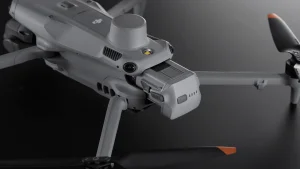
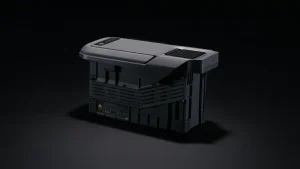
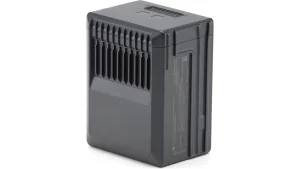
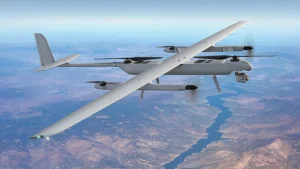
Engineered for compliance with Japan's Civil Aeronautics Act and extreme environmental endurance.
A deep analysis of regulatory barriers, demographic shifts, and supply-chain structures.
The Japanese commercial drone market is experiencing a profound transition driven by both demographic urgency and groundbreaking regulatory reforms. In December 2022, Japan’s Ministry of Land, Infrastructure, Transport and Tourism (MLIT) officially implemented amendments to the Civil Aeronautics Act, legalizing Level 4 flight operations—meaning Beyond Visual Line of Sight (BVLOS) flights over populated areas without visual observers. This milestone has unlocked unprecedented commercial applications in logistics, disaster mitigation, and urban surveillance.
However, the relaxation of operational boundaries comes with rigorous safety and compliance requirements. Every component, sub-system, and payload accessory deployed on platforms such as DJI's enterprise series must adhere to strict safety thresholds. For industrial buyers, importing generic, uncertified batteries and components represents a major operational risk. Access to certified, high-grade DJI-compatible flight batteries, customizable BMS configurations, and fail-safe payloads is critical to successfully navigating MLIT’s rigorous flight approval processes.
"By deploying smart flight batteries integrated with advanced, localized Battery Management Systems (BMS), Japanese enterprise operators can guarantee thermal stability at sub-zero temperatures during Hokkaido winters, whilst adhering to all national aviation safety criteria."
On a global scale, the industrial UAV ecosystem relies heavily on highly integrated manufacturing hubs. The Pearl River Delta in China (specifically Shenzhen and Dongguan) remains the undisputed center of drone engineering innovation. The integration of structural plastic injection molding, carbon-fiber fabrication, and advanced surface mount technology (SMT) for BMS circuits allows Chinese manufacturers to execute product development cycles that are four to five times faster than Western competitors.
For Japanese organizations, partnering directly with a high-compliance Chinese manufacturer like UUUFLY provides a decisive strategic edge. We leverage this hyper-concentrated supply chain to source top-tier cells, apply precise CNC machining to aerospace alloys, and conduct automated battery testing, delivering premium-tier products with reduced lead times and highly competitive pricing.
The deployment of advanced drone technology in Japan is highly specific to localized geographic and socio-economic challenges:
We turn drones from tools into infrastructure, enabling the global low‑altitude economy with engineering rigor and compliance.
UUUFLY builds repeatable, traceable and compliant UAV systems through integrated innovation across hardware, algorithms and data operations. We close the loop of Discover → Decide → Execute → Trace for power, agriculture and smart‑city customers, delivering measurable aerial productivity at scale.
Our core capabilities include dual‑spectrum defect detection (power inspection), multispectral sensing & variable spraying (precision agriculture), 0.05‑m 3D mapping (smart city), autonomous routes & fleet scheduling (scaled operations), and an end‑to‑end edge‑to‑cloud data pipeline (governance & compliance).
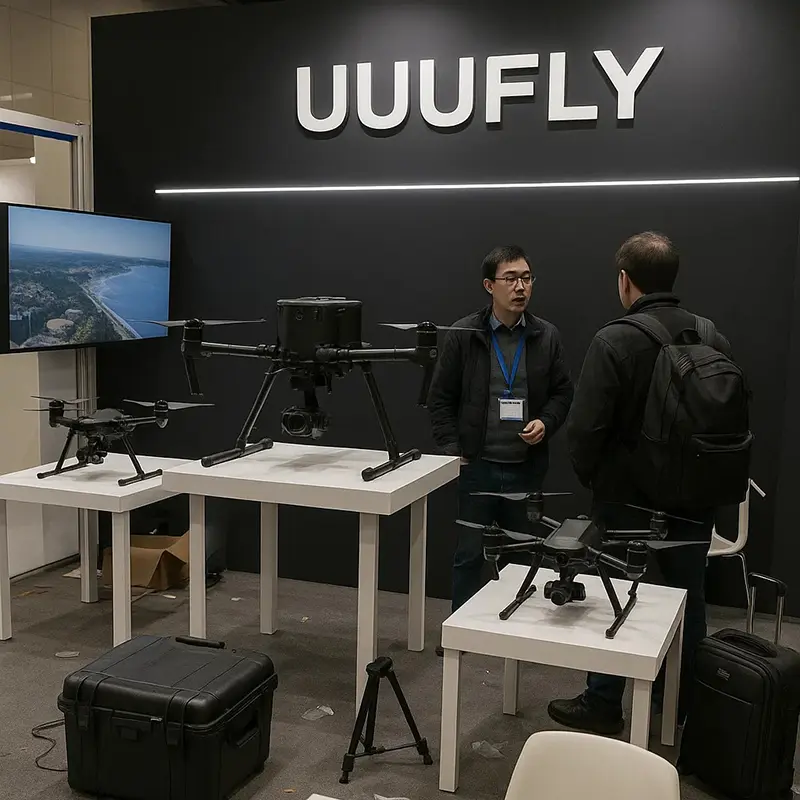
Empirical evidence of system performance and compliance standard implementation globally.
Comprehensive drone hardware, intelligence, and operations for diverse industries.
With millimeter‑level positioning and encrypted video links, combined with dual‑spectrum defect detection and AI target recognition, defect discovery efficiency improves by about 40%. Autonomous patrols and emergency response remain reliable in complex environments. Our fast‑charge system is compatible with mainstream fleets (80% in 30 minutes), and carbon‑fiber propellers with IP67 motors cover most models. In multiple grid pilots, defect detection reached 99.7%.
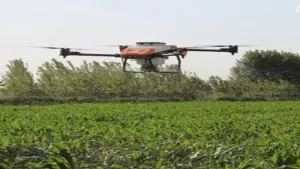
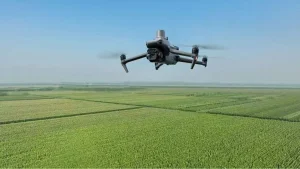
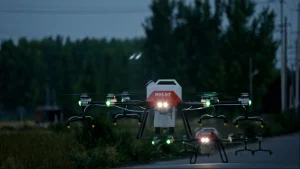
Multispectral payloads and AI analytics enable early diagnosis of pests and diseases (about 98% accuracy). Variable spraying reduces pesticide use by roughly 30%, while a 50Ah battery and corrosion‑resistant tank allow a single flight to cover 200+ mu (≈16 acres). At scale, farms typically see 20–30% lower operating costs.
Combining LiDAR with oblique photogrammetry delivers 0.05‑m 3D mapping, making modeling about 5× faster and reducing cost by 60%. With GDPR‑compliant encrypted transmission and 5G for real‑time cloud analytics, our data underpins urban planning and digital‑twin programs, boosting planning efficiency by around 300% in typical projects.
The platform provides autonomous routes, fleet scheduling, mission orchestration and an edge‑to‑cloud pipeline. Open APIs and message buses integrate seamlessly with enterprise systems to build a secure, observable low‑altitude network.
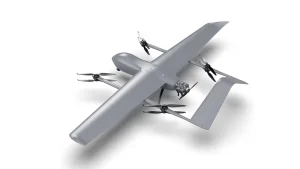
A full range of high-capacity smart batteries, drones, and eVTOL platforms optimized for modern industrial operations.
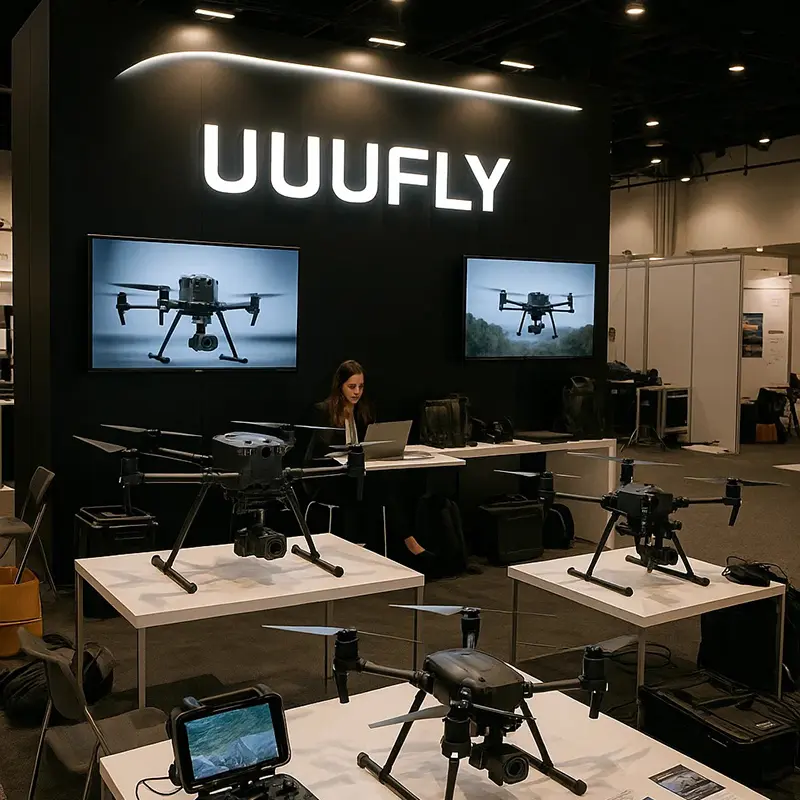
Combining aerospace engineering, embedded electronics, computer vision, and industrial operations.
How UUUFLY platforms integrate seamlessly into specific industries globally and in Japan.

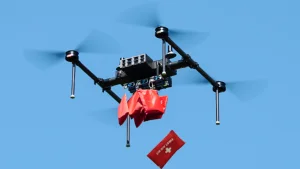
Our solutions provide autonomous situational awareness during fires, natural disasters, and police surveillance operations.
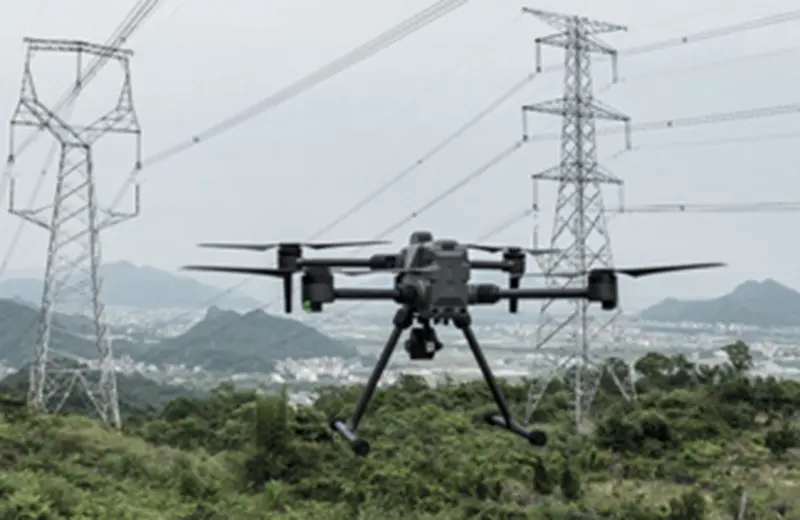
Specialized payloads and high-capacity flight power facilitate precise thermal profiling and defect detection on electrical grids.

Centimeter-grade LiDAR systems speed up topological mapping and structural concrete verification of dams and bridges.
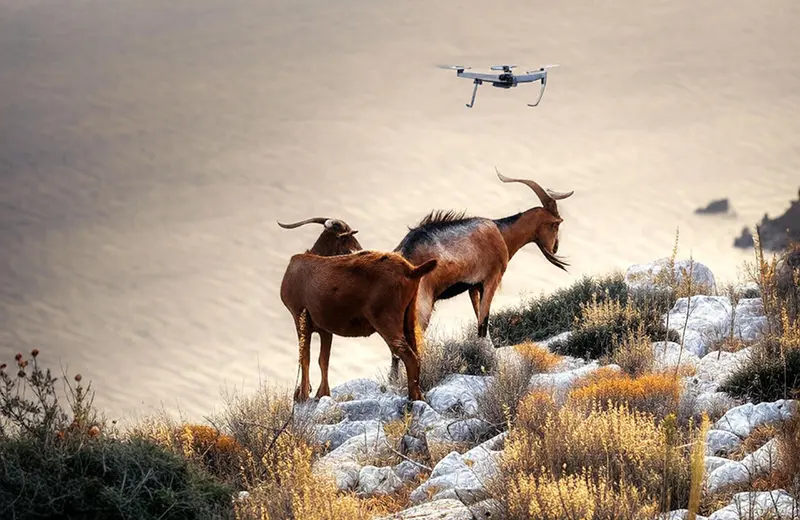
Our drone configurations help monitor ecological reserves, map vegetation changes, and track endangered fauna.
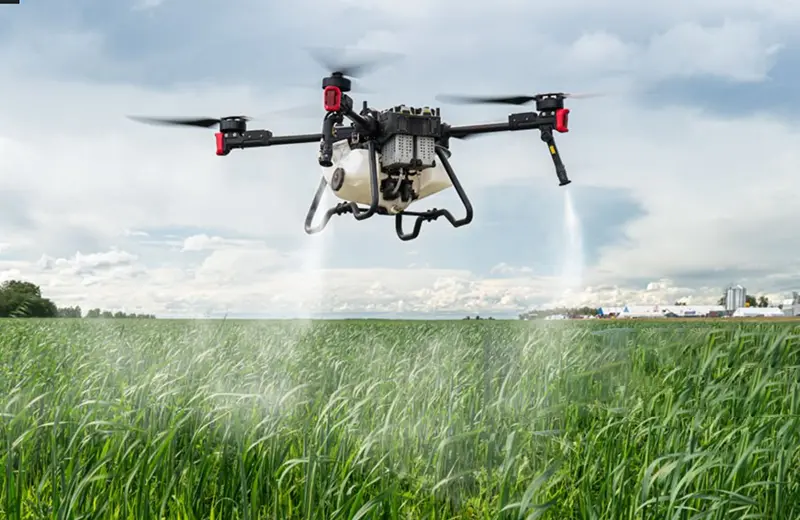
Heavy payload capacity combined with intelligent variable spraying minimizes costs and preserves agricultural health.
To become the core infrastructure provider for the global low‑altitude economy. We will keep integrating 5G, AI and hydrogen energy to drive standardized, intelligent and green aerial operations.
We are constantly refining our hardware integrations, optimizing BMS interfaces, and updating algorithm safety models to comply with international regulations.
Answering common regulatory, shipping, and technological questions from Japanese and global procurement managers.
Yes. Our custom DJI-compatible batteries (including Matrice 4/300/350 RTK series replacements) are engineered with integrated microchips that communicate seamlessly with DJI's proprietary battery communication protocols. This ensures accurate voltage monitoring, cycle count logging, thermal stats, and state-of-health updates on the controller display. They can be safely charged using the default DJI smart charging hubs.
We supply full product specification datasheets, material certificates, and safety testing logs (including UN38.3, CE, RoHS, FCC documentation). If your organization is filing for a Level 3 or Level 4 flight authorization under the Civil Aeronautics Act, we provide custom integration testing details for our components to verify electromagnetic compatibility (EMC) and vibration resistance.
For operations in sub-zero environments, we provide flight batteries equipped with built-in internal heating systems. When the temperature falls below 15°C, the BMS activates internal heating coils using a small percentage of battery capacity to warm the cells to optimal discharge temperatures. This prevents sudden voltage drops and extends flight times in freezing conditions.
Industrial drone batteries are classified as Class 9 Dangerous Goods. We manage all logistics protocols in strict accordance with international IATA guidelines and ocean freight rules. Our shipments are packed using customized explosion-proof packaging, with UN38.3 testing reports and MSDS documents attached, ensuring a smooth customs clearance process in ports like Tokyo, Osaka, or Kobe.
Partner with an industry leader to optimize your DJI-compatible drone fleets and customized sub-systems for the Japanese and global markets.
Send Inquiry Now UUUFLY