Premium OEM and wholesale agricultural aircraft configurations and certified components.
In modern agronomy, efficiency, ecological responsibility, and precision are paramount. The development of specialized UAV systems for agricultural application has transitioned from minor test flights to the cornerstone of commercial farming operations globally. UUUFLY is at the forefront of this industrial shift, transforming drones from high-tech tools into robust, integrated regional agricultural infrastructure.
Procuring agricultural spraying platforms requires deep technical evaluation. Low-tier assemblers often utilize general-purpose flight controllers and fragile composite configurations that fail under complex chemical exposure. A qualified, integrated supplier ensures full-suite electromagnetic compatibility (EMC/EMI) shielding, modular architectures, advanced RTK precision guidance, and corrosion-proof delivery systems. UUUFLY guarantees compliance with industrial manufacturing standards, delivering performance that survives tough environmental realities.
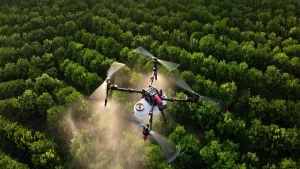
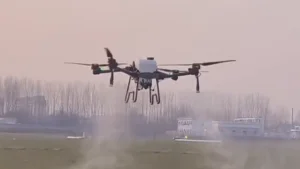
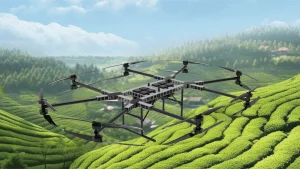
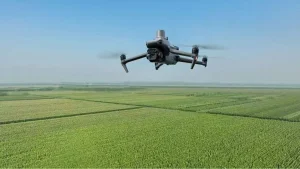
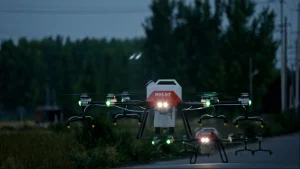
Labor shortages and strict environmental regulations are pushing agricultural operators away from ground-based sprayers. Global agricultural UAV adoption is growing rapidly. Advanced drone models, including our carbon-fiber AL4-50 and heavy-lift platforms, allow operators to complete missions on challenging terrain without soil compaction or crop damage.
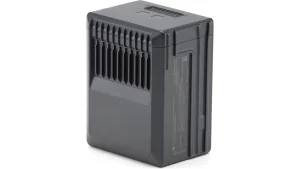
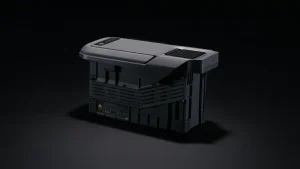
Industrial agricultural operations require solutions that offer modular maintenance, hot-swappable batteries (like the DJI TB65 or customized high-capacity cells), high-performance atomizing nozzles, and long flight times. Buyers prioritize supply chain resilience, accessible spare parts, and compliant software architectures.
Our drone designs undergo rigorous field stress tests to meet international standards. From the heavy-duty AL6-30 to custom multispectral mapping units, every drone is engineered for extreme weather operations and long lifecycle performance.
We build repeatable, traceable, and compliant UAV systems to enable the global low-altitude economy.
Our Mission: UUUFLY builds repeatable, traceable and compliant UAV systems through integrated innovation across hardware, algorithms and data operations. We close the loop of Discover → Decide → Execute → Trace for power, agriculture and smart‑city customers, delivering measurable aerial productivity at scale.
Core capabilities: dual‑spectrum defect detection (power inspection), multispectral sensing & variable spraying (precision agriculture), 0.05‑m 3D mapping (smart city), autonomous routes & fleet scheduling (scaled operations), and an end‑to‑end edge‑to‑cloud data pipeline (governance & compliance).
Multispectral payloads and AI analytics enable early diagnosis of pests and diseases with up to 98% accuracy. Variable spraying reduces pesticide use by roughly 30%, while a 50Ah battery and corrosion‑resistant tank allow a single flight to cover 200+ mu (≈16 acres). At scale, agricultural enterprises typically see 20–30% lower operating costs compared to conventional ground rigs.
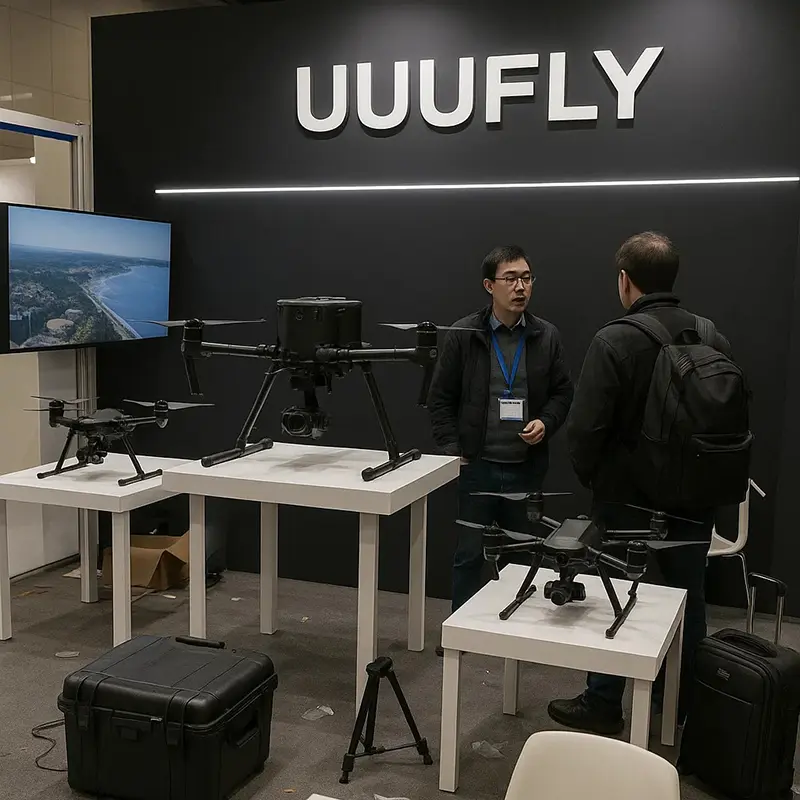
With millimeter‑level positioning and encrypted video links, combined with dual‑spectrum defect detection and AI target recognition, defect discovery efficiency improves by about 40%. Autonomous patrols and emergency response remain reliable in complex environments. The fast‑charge system is compatible with mainstream fleets (80% in 30 minutes), and carbon‑fiber propellers with IP67 motors cover most models. In multiple grid pilots, defect detection reached 99.7%.
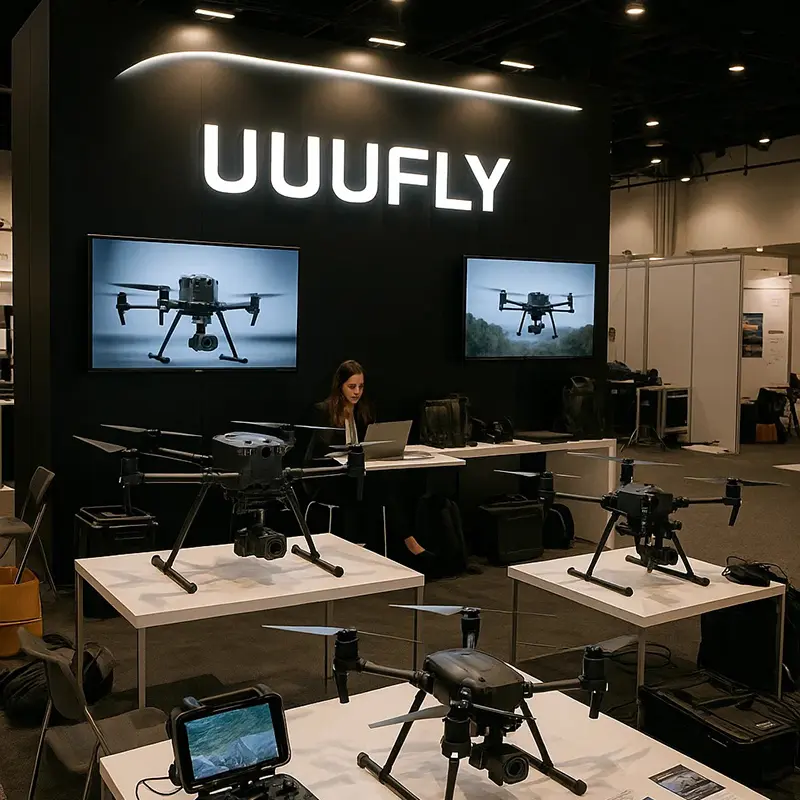
Combining LiDAR with oblique photogrammetry delivers 0.05‑m 3D mapping, making modeling about 5× faster and reducing cost by 60%. With GDPR‑compliant encrypted transmission and 5G for real‑time cloud analytics, our data underpins urban planning and digital‑twin programs, boosting planning efficiency by around 300% in typical projects.
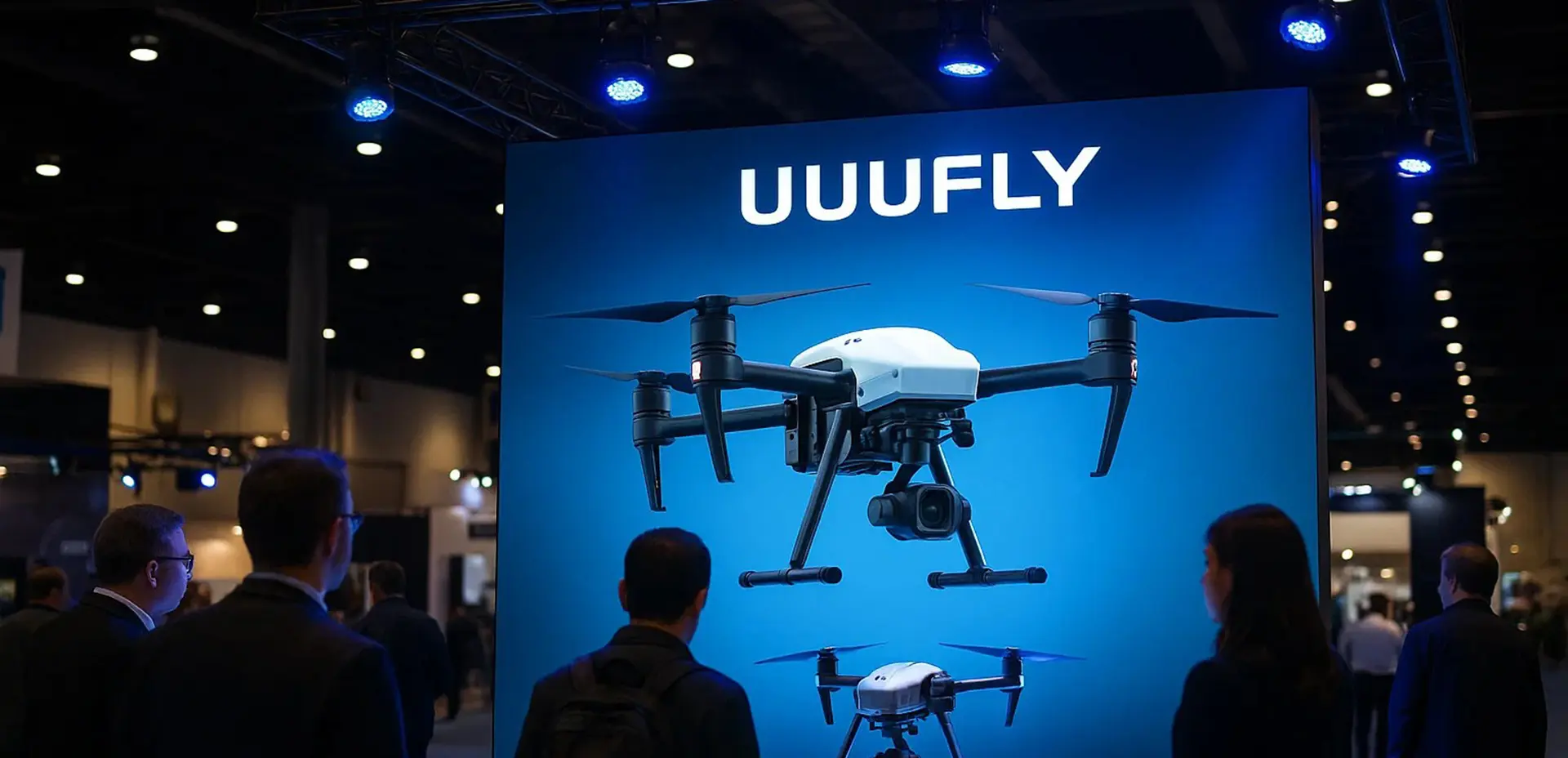
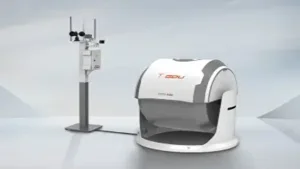
The platform provides autonomous routes, fleet scheduling, mission orchestration and an edge‑to‑cloud pipeline. Open APIs and message buses integrate seamlessly with enterprise systems to build a secure, observable low‑altitude network.
Proven reliability, secure communication links, and global regulatory compliance.
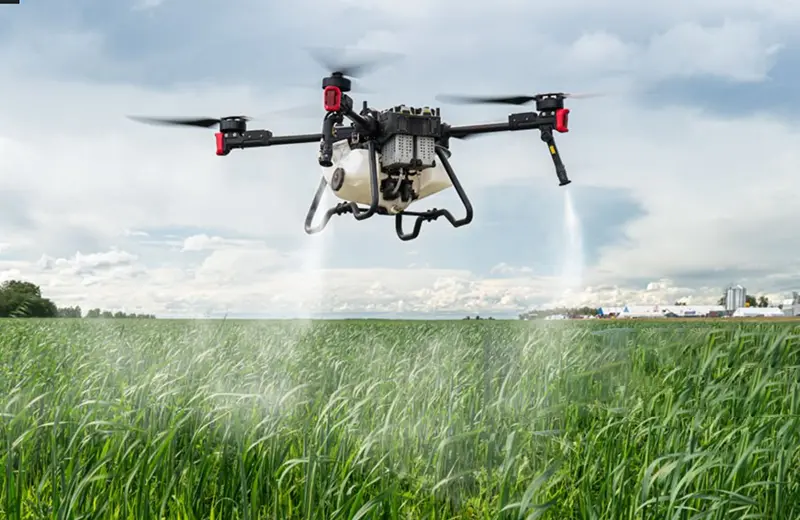
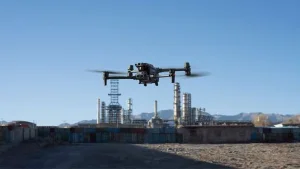
Our solutions deploy across diverse industry verticals requiring heavy lifters, thermal imagery, and mapping.
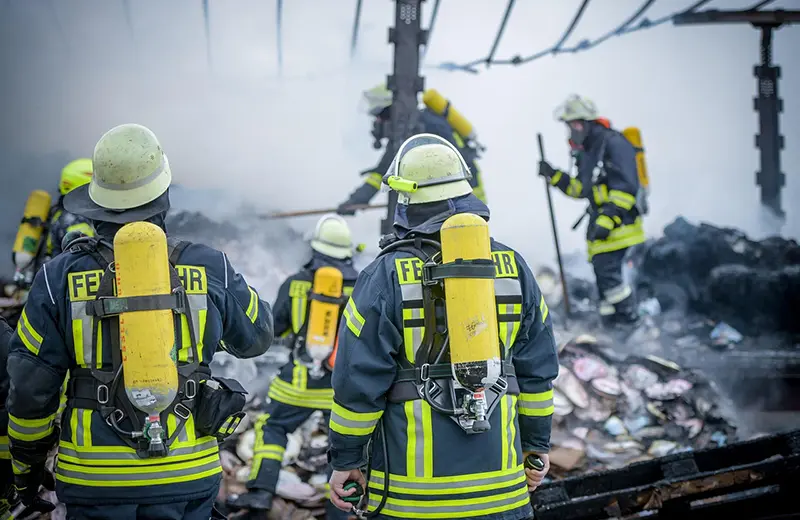
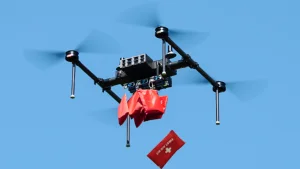
Specialized emergency tools including search and rescue payloads, police UAV systems, and heavy fire-extinguishing payloads.
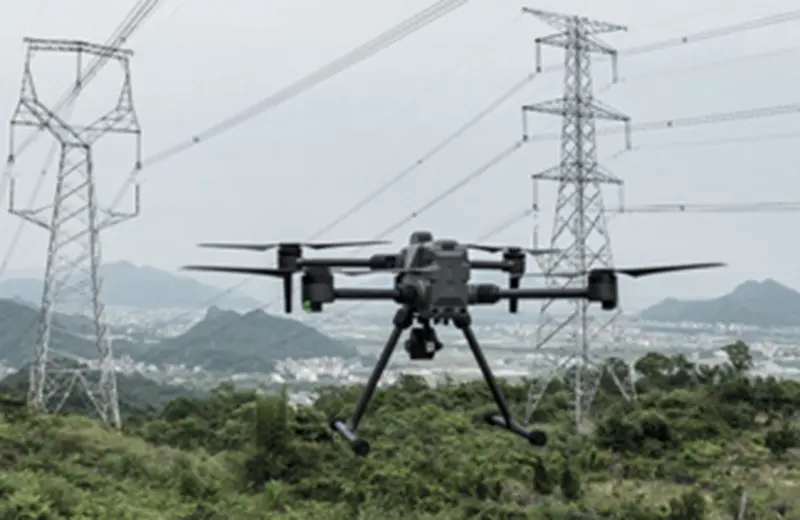
Intelligent visual, thermal, and LiDAR inspections of electricity corridors, gas lines, and remote wind turbine arrays.

Structural inspections, high-resolution topographical models, and building thermal analysis.
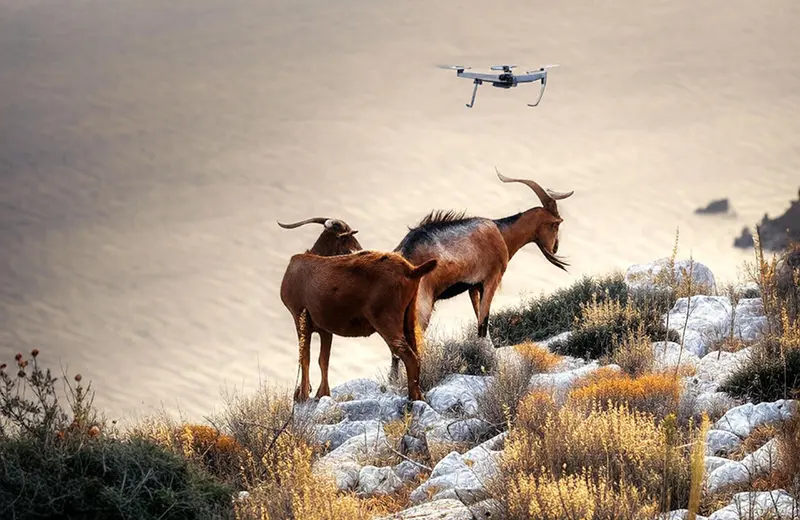
Anti-poaching surveillance, habitat evaluation, and large wildlife counting via thermal and HD payloads.
Liquid and granular payload distribution platforms featuring smart terrain-following radars and crop health mapping.
Combining aerospace engineering, computer vision, and operational excellence.
Former industrial UAV product lead; drives product architecture, standardization and ecosystem partnerships.
Computer vision & autonomy specialist focusing on sensor fusion, target detection and mission decision systems.
Drives localization and partner-led delivery across the Middle East, Pakistan, and Russia.
Aerospace & electrical engineer focusing on payload integration, EMC/EMI and reliability design.
Leads model training and mission orchestration to optimize detection accuracy and decision strategies.
Drives localization and partner‑led delivery across LATAM & MENA regions.
Our vision: To become the core infrastructure provider for the global low‑altitude economy, integrating 5G, AI, and hydrogen energy for standardized, intelligent, and green aerial operations.
Developing ultra-low volume (ULV) centrifugal mist systems and centimeter-accurate RTK pathing to reduce chemical drift.
Edge-AI integration: processing NDVI multispectral models directly on the drone's edge computer to support real-time spot spraying.
Transitioning long-duration heavy platforms to hydrogen fuel cells, extending spraying windows to 2+ hours per flight.
Critical answers for global procurement agents, supply chain managers, and agricultural operators.
Explore our high-efficiency carbon fiber aircraft models, multispectral mapping drones, and heavy-payload transport UAVs.
 UUUFLY