As the commercial drone market evolves, businesses are increasingly looking for cutting-edge solutions. John McMahon, a leading expert in the field, notes, “Commercial drones will redefine operational efficiency.” His insights reflect a growing trend toward integrating these technologies into various industries.
In 2026, commercial drones are expected to play a vital role in logistics, agriculture, and inspections. Their ability to streamline processes and enhance productivity is remarkable. Companies are exploring new applications regularly, which raises questions about regulation and safety.
Despite the benefits, challenges remain. Not all businesses know how to implement these technologies effectively. Training staff and ensuring compliance with regulations can be daunting. Yet, the potential rewards for those who succeed are substantial. The future of commercial drones looks bright, but awareness and caution are essential as the industry continues to develop.
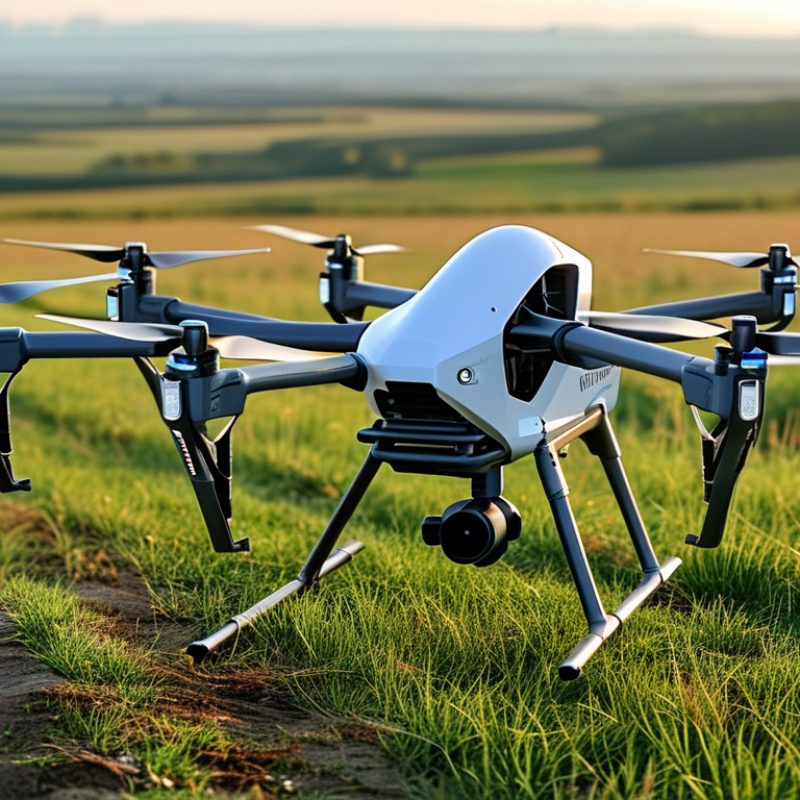
In 2026, the landscape of commercial drone technology is set to undergo significant advancements. Reports indicate that the global commercial drone market is projected to reach over $43 billion by 2026, with a compound annual growth rate (CAGR) of 14.2% from 2021. These figures highlight the increasing adoption of drones across various industries, including agriculture, logistics, and emergency services. Companies are investing heavily in automation and data analysis capabilities, ensuring that drones can perform tasks with greater precision and efficiency.
Improvements in battery life and range are also essential focuses for 2026. Current drone models often limit operational time due to battery constraints. Innovative energy solutions are emerging, which may extend flight times to over 60 minutes. Additionally, advancements in AI algorithms will enhance obstacle recognition and navigation. However, these technologies are not without challenges. Safety concerns and regulatory hurdles could hinder progress, as the integration of drones into national airspaces remains a complex issue.
The emphasis on data security is paramount as well. With drones collecting vast amounts of data, protecting this information will be critical. Industry experts suggest that securing drone communications and data storage will become a top priority for businesses. Addressing these gaps will determine the trustworthiness of drone operations. As the commercial drone sector evolves, companies must be prepared for both opportunities and the potential pitfalls that come with rapid technological evolution.
| Drone Model | Max Flight Time | Payload Capacity | Camera Resolution | Application Type |
|---|---|---|---|---|
| Model A | 35 minutes | 5 kg | 4K | Surveying, Mapping |
| Model B | 40 minutes | 10 kg | 30 MP | Inspection, Photography |
| Model C | 50 minutes | 8 kg | 12 MP | Delivery, Logistics |
| Model D | 30 minutes | 7 kg | 16 MP | Agriculture, Monitoring |
: Significant advancements include improved battery life, enhanced AI algorithms, and advanced automation for greater operational efficiency.
New energy solutions may extend drone flight times to over 60 minutes, aiming for 40 minutes to an hour as a standard.
Drones collect vast amounts of data, making it crucial to secure communications and data storage to build trust.
Businesses should seek drones with automation, smart navigation, long battery life, payload capacity, and high-resolution cameras.
Companies may struggle with airspace regulations, compliance training, and maintaining proper documentation for flight permissions.
Engaging with regulatory bodies and joining industry associations can provide insights into best practices and evolving laws.
Failing to address these challenges may lead to costly mistakes and hinder operational growth in the drone sector.
Balancing features with budget is crucial; needs vary across industries, influencing the selection process.
Consulting experts can clarify regulatory obligations, helping businesses navigate the complex landscape of drone operations.
Safety concerns and regulatory hurdles are significant obstacles that could restrict the operational use of drones.
As we approach 2026, significant advancements in commercial drone technology are set to revolutionize various industries. These innovations promise enhanced efficiency and capabilities, particularly in sectors such as agriculture, logistics, and construction. Key features to look for in commercial drones this year include improved battery life, advanced sensors, and superior data collection capabilities, which will help businesses maximize their operational effectiveness.
Additionally, leading manufacturers are poised to introduce flagship models that cater to the specific needs of different industries. However, companies must remain aware of regulatory considerations surrounding the use of commercial drones, ensuring compliance with local and international laws. As commercial drones continue to evolve, their impact on business operations will likely be transformative, offering new solutions and opportunities across multiple fields.

 UUUFLY