Choosing the right industrial drones for your business is a critical decision. These advanced tools can enhance productivity across various sectors. From agriculture to construction, industrial drones offer unique capabilities that can streamline operations.
Understanding your specific needs is crucial. Consider what tasks you will use the drones for and the environments they will operate in. Different drones serve different purposes. For instance, some are designed for surveying, while others excel in aerial photography.
Reliability is key when investing in industrial drones. Research manufacturers with a proven track record. Read reviews and seek expert recommendations. Gathering this information can help prevent costly mistakes. Reflect on your choice and be aware of the evolving technology. Each option has its strengths and weaknesses, and the right fit may require a bit of trial and error.
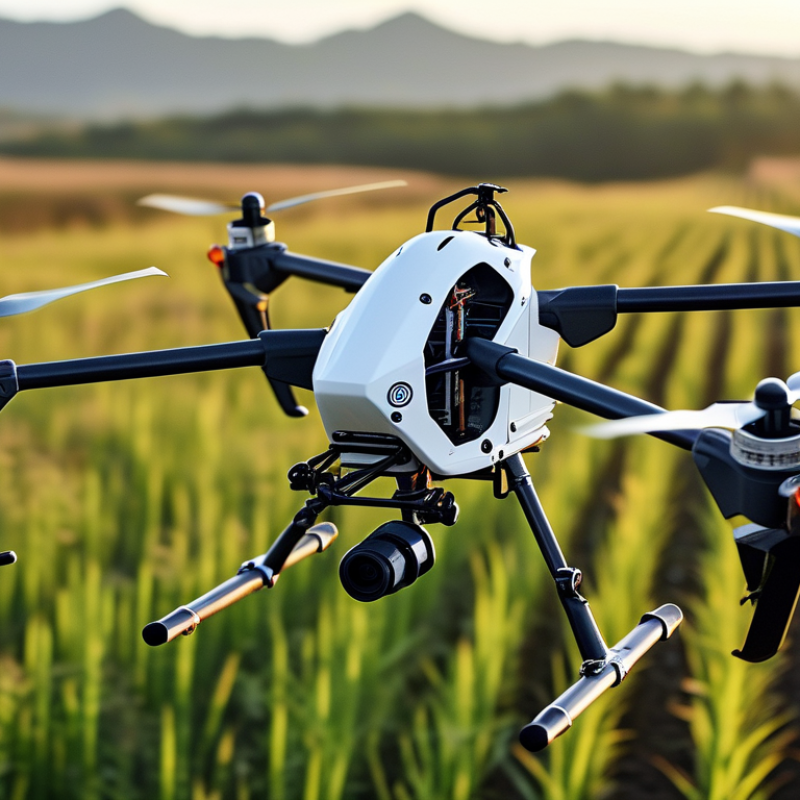
Choosing the right industrial drone involves understanding the various types available. Drones can be classified into categories based on their applications. For example, mapping drones excel in surveying large areas. These drones use advanced sensors to capture high-resolution images. They are ideal for construction and real estate businesses that need detailed site assessments.
Then there are inspection drones, tailored for conducting thorough checks on structures. These drones can navigate tight spots, making them valuable for inspecting bridges or power lines. Many companies struggle with documentation after inspections. Having precise imagery can eliminate guesswork in reporting.
Lastly, logistics drones focus on transporting goods. They can save time and reduce costs for businesses in e-commerce or supply chain management. However, integrating drones into operations isn't always smooth. Companies may face challenges like regulatory compliance and pilot training. These factors can delay the benefits drones can bring. Choosing the right drone requires careful consideration of your specific needs and potential hurdles.
When selecting the right industrial drone, understanding your business needs is essential. Different industries have specific requirements. For instance, agricultural companies might need drones that can spray fields, while construction firms look for inspection capabilities. Define clear objectives to maximize drone benefits.
Determining flight range, payload capacity, and camera quality is crucial. Assess how these features align with your business workflow. Focus on tasks you aim to accomplish with the drones. Evaluate if you need real-time data collection or long-range flights. This clarity guides your choice effectively.
Budget constraints often dictate the options available. However, investing in reliable technology can reduce long-term costs. While cheaper models might save money upfront, they may lack endurance and precision. Reflect on potential growth and future needs. Consider a scalable solution that evolves as your business expands. Prioritize function over brand reputation.
When selecting industrial drones, crucial features must be prioritized. Battery life is one of the first aspects to consider. Reports indicate that the average battery life for commercial drones ranges from 20 to 40 minutes. For expansive areas, longer durations or additional batteries could improve efficiency.
Payload capacity is also essential. Drones may need to carry cameras, sensors, or other equipment. Depending on the application, the required payload can vary significantly. Manufacturers often provide payload specifications, but practical testing is recommended. Some drones may underperform in real-world scenarios.
Another consideration is GPS accuracy. High precision is vital for tasks like mapping or surveying. Some studies suggest that drones with enhanced GPS can achieve accuracy levels within 1-3 centimeters. This precision is critical for industries such as agriculture and construction.
Be clear about your needs. Drones differ in features. Assess the specific requirements and operational environment before making your choice. Understand that what works for one use case might not work for another. Research and feedback can provide valuable insights into real-world performance.
| Feature | Specification | Importance |
|---|---|---|
| Payload Capacity | Up to 20 kg | Essential for transporting equipment |
| Flight Time | 30-50 minutes | Critical for larger areas |
| Camera Quality | 4K UHD | Important for detailed inspections |
| Range | Up to 5 km | Affects operational efficiency |
| Autonomy | GPS and obstacle avoidance | Reduces pilot workload |
| Weather Resistance | IP rating 54 or higher | Ensures reliability in adverse conditions |
When considering industrial drones, budget and cost-effectiveness are critical. Start by evaluating your business needs. Determine the specific tasks you want the drones to perform. Whether it’s aerial surveys or inspections, this clarity helps narrow your choices.
Next, analyze the total cost of ownership. This includes initial purchase cost, maintenance, and operational expenses. Some drones have lower upfront costs but higher maintenance fees. Look for models that offer a balance between affordability and performance. It's essential to assess the durability of the drones too. Frequent repairs can quickly degrade any cost benefits.
Investigate financing options and potential ROI. Consider if leasing could be more beneficial. Also, reflect on the training costs. Investing in skilled operators may incur additional expenses, but it can enhance safety and efficiency. As you gather this information, keep your long-term goals in focus. Weighing these factors thoughtfully aids in making an informed decision.
When selecting industrial drones for your business, researching reliable manufacturers is critical. A trustworthy manufacturer provides not only quality products but also comprehensive customer support. Look for companies with a solid track record and customer reviews that reflect their reliability. Assessing their experience in the industry can give you important insights into their product durability and performance.
Consider this: how quickly can they respond to your inquiries? Prompt and knowledgeable support can save you time and money. Verify their warranty policies and service options. This can impact your operational efficiency later. You want to ensure that if a problem arises, assistance is readily available.
In your research, take note of any red flags. For instance, if a manufacturer is reluctant to share customer feedback, that may indicate issues. Investigate forums or professional networks for unfiltered opinions. Remember, the best drone for you is one that meets your specific needs while coming from a manufacturer you can trust.
: Start with understanding your business needs. Different industries have specific drone requirements.
Battery life affects flight time. The average life is 20 to 40 minutes.
Different tasks require various payloads. Ensure the drone can carry your needed equipment.
High GPS precision is essential for mapping and surveying tasks. It can reach accuracy levels within 1-3 centimeters.
Budget is crucial, but quality matters too. Cheaper drones may lack essential features.
Consider scalability in your selection. Choose drones that can adapt as your business expands.
Manufacturers’ specs may not reflect real-world performance. Testing ensures reliability for your specific tasks.
Identify specific tasks you want to accomplish with drones. This clarity helps guide your decision-making.
Research and gather feedback from others in your industry. This perspective can inform your choice effectively.
No, different applications require different features. Assess what works best for your specific needs.
Choosing the best industrial drones for your business requires a thorough understanding of the various types available in the market. It's essential to evaluate your specific business needs and objectives, as these will guide your decision on which drones are most suitable for your operations. Key features such as payload capacity, flight time, and camera quality should also be considered to ensure that the drones will effectively meet your requirements.
Furthermore, assessing your budget is crucial to determine the cost-effectiveness of investing in industrial drones. Researching reliable manufacturers and understanding their customer support options can significantly impact your overall experience and maintenance of the drones. By taking the time to follow these steps, businesses can make an informed decision, ultimately enhancing their operational efficiency through the use of industrial drones.

UUUFLY