In recent years, the market for professional drones has experienced explosive growth. According to a report from MarketsandMarkets, the global drone market is projected to reach $43 billion by 2024. A rise in demand for applications like aerial photography, surveying, and agriculture drives this trend. Professional drones offer high-quality imaging and robust data collection capabilities, appealing to various industries.
Many companies are adopting professional drones to increase efficiency and reduce costs. These UAVs can perform complex tasks faster than traditional methods. However, buyers face a dilemma. With so many options available, choosing the right model can be confusing. Some drones may excel in one area but fall short in others.
The challenge lies in evaluating their unique features. Factors like payload capacity, flight time, and camera quality can vary dramatically. Furthermore, understanding the regulatory landscape is crucial. As rules surrounding drone usage evolve, manufacturers are working hard to ensure compliance with safety standards. Navigating this landscape of options requires careful consideration and research.
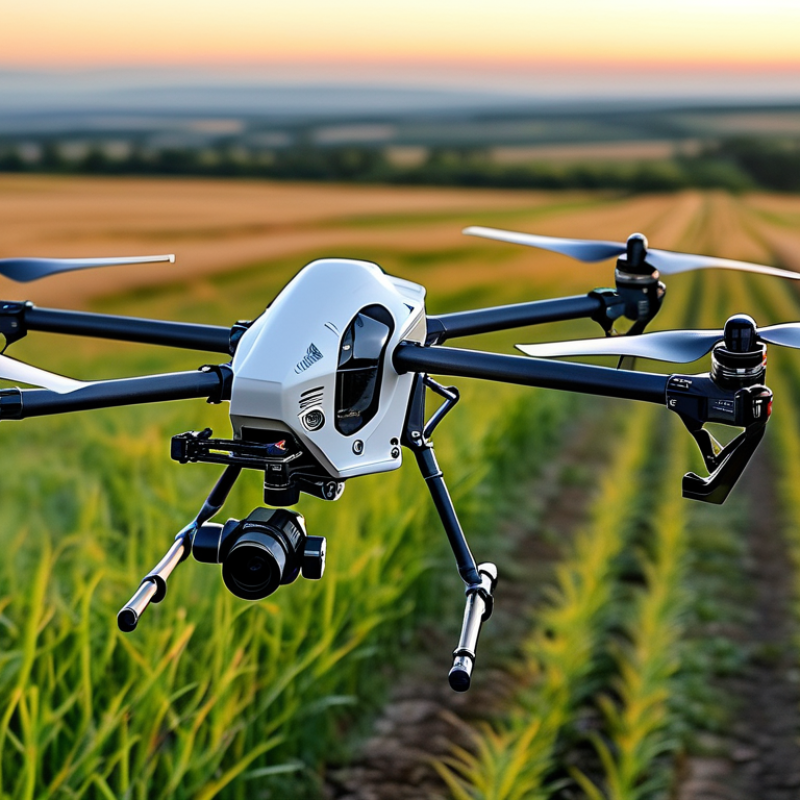
The demand for professional drones across various sectors is surging. In construction, drones streamline project management. They offer aerial imagery that tracks progress and identifies issues early on. According to a report by MarketsandMarkets, the construction drone market is projected to reach $11 billion by 2026. This indicates that companies are increasingly investing in drone technology to enhance efficiency.
In agriculture, drones are revolutionizing crop monitoring. They help farmers analyze fields using multispectral imaging. This technology can identify plant health in ways that traditional methods cannot. A study from DroneDeploy highlights that 70% of farmers who use drones report improved yields and reduced costs. Yet, implementation remains a challenge for many smaller farms due to uncertainties about return on investment.
Many professionals overlook the importance of training. Understanding drone operation and regulations is critical. Operators need to stay updated on laws that govern airspace usage. Failure to comply can lead to legal repercussions. Regular training workshops are essential for continuous improvement.
Choosing the right drone can be overwhelming. Factors like payload capacity, software compatibility, and flight time matter. Evaluate your specific industry needs before making a purchase. Engaging with a community of drone users can also provide invaluable insights.
When selecting a professional drone, several key features and specifications should guide your decision. One primary aspect is the camera quality. Many industry reports highlight that a 4K camera resolution is often considered the gold standard for aerial photography and videography. Additionally, the stabilization technology used can significantly impact image quality. Drones equipped with gimbals tend to deliver smoother footage, essential for commercial projects.
Flight time is another critical factor. The average flight duration for professional drones is between 20 to 40 minutes. However, this can vary widely based on payload and weather conditions. Users often find that drones with longer battery life increase productivity, minimizing downtime during shoots. Reports indicate that drones with removable batteries offer flexibility, allowing for quick replacements during extensive projects.
The range of the drone also plays a pivotal role. Typical ranges can be from 1 km to over 7 km, depending on the model. A wide operational range enables the drone to cover larger areas without losing connection. Lastly, understanding the regulatory landscape is crucial. Each country has specific laws governing drone use that can affect flight operations. Responsible flying ensures compliance and enhances safety.
The drone market is bustling with innovation. For professionals, the right drone can elevate many industries. From photography to agriculture, there are crucial factors to consider. Flight time, camera quality, and ease of use matter greatly. Additionally, regulatory compliance is essential when operating in various regions.
Think about the payload capacity needed for your use case. Some drones excel in carrying heavier equipment, which can be vital for specific tasks. You may also need to evaluate various flight modes. Automated flight can enhance efficiency, but manual control offers flexibility. Take the time to compare specifications.
When choosing a professional drone, consider seeking expert reviews. Online forums often provide insights from seasoned users. Learning from their experiences can save time and avoid costly mistakes. Collecting feedback from various sources gives a well-rounded perspective. It is beneficial to reflect on personal requirements and adapt accordingly. Each project has unique demands; hence, there is no one-size-fits-all solution.
| Model | Camera Quality | Flight Time | Range | Price |
|---|---|---|---|---|
| Drone A | 4K UHD | 30 mins | 5 km | $1,200 |
| Drone B | 1080p HD | 25 mins | 4 km | $900 |
| Drone C | 6K Video | 35 mins | 7 km | $1,800 |
| Drone D | 4K UHD | 27 mins | 6 km | $1,500 |
| Drone E | 4K UHD | 32 mins | 8 km | $2,200 |
When exploring professional drones, understanding cost is crucial. Prices vary significantly based on features. Entry-level drones might cost under $1,000, while high-end models can exceed $10,000. Your budget directly impacts your options and capabilities. Select a drone that meets your needs without breaking the bank.
Think about what you aim to achieve with a drone. For photography, invest in one with a high-quality camera. If you're focused on durable construction for inspection jobs, prioritize rugged models. Anticipate potential issues and be prepared for maintenance costs that vary by usage.
Balancing quality and price is key. Sometimes a slightly pricier drone provides better longevity and performance. Evaluate online reviews and seek expert opinions to guide your choice. Remember, a low upfront cost may lead to higher expenses later. Always weigh your long-term goals against your current budget.
The professional drone market is evolving rapidly. Recent reports indicate a projected growth rate of 15% annually over the next five years. New technologies are driving this growth. Advanced imaging capabilities, including high-resolution cameras and thermal imaging, are becoming standard. Increasingly, industries are integrating these drones for tasks like inspection, surveying, and agriculture.
However, challenges remain. The regulatory environment is still catching up with technological advances. Many countries are developing new frameworks for drone operations. Concerns about data privacy and safety continue to be pressing. As drone capabilities expand, so do the risks associated with their use. Companies must tread carefully, ensuring they comply with regulations.
Sustainability is another buzzword in this space. A significant shift towards electric drones is underway. This could reduce carbon footprints significantly. Yet, the energy consumption of these advanced drones is an area that still needs improvement. The balance between innovation and sustainability will be crucial for future success. As the market matures, a greater focus on responsible usage will be necessary. This includes considering environmental impacts and ethical considerations in design and implementation.
: Focus on camera quality, flight time, range, and battery options.
A 4K camera is often seen as the standard for aerial photography.
Average flight time ranges from 20 to 40 minutes, depending on conditions.
Longer battery life increases productivity, reducing downtime during shoots.
A greater operational range allows covering larger areas without losing connection.
Knowing local laws is crucial for compliance and safety during flight operations.
Prices vary; entry-level models are under $1,000, while high-end ones can exceed $10,000.
Yes, sometimes a higher price ensures better longevity and performance.
Consider both initial costs and potential maintenance expenses based on usage.
Think about your goals. Select features that best align with those objectives.
The article "Discover the Best Professional Drones for Global Buyers" delves into the essential role that professional drones play across various industries, highlighting their significance in tasks ranging from aerial photography to surveying and monitoring. It outlines key features and specifications that buyers should consider, such as flight time, camera quality, and payload capacity, ensuring that stakeholders make informed decisions aligned with their operational needs.
Additionally, the article presents a comprehensive overview of the top professional drones currently available in the market, catering to different budgets and applications. A cost analysis is included to guide buyers in selecting drones that provide the best value for their investment. Finally, the piece discusses future trends in the professional drone market, focusing on innovations and anticipated market growth that promise to enhance the capabilities and efficiency of these aerial devices.

UUUFLY